x

 Άνθρακα και λάδι σε καμβάΕκθέσιμα Έργα ΤέχνηςRococo Portraiture
 1755
1755 60.0 x 50.0 cm
 Εθνική Πινακοθήκη Λονδίνου
Εκτύπωση giclée ή σε καμβά ποιότητας μουσείου με γρήγορη παραγωγή και ευέλικτες επιλογές φινιρίσματος. ( Αγορά χειροποίητου πίνακα Αγορά ψηφιακής εικόνας)





























Επιλέξτε από τις προκαθορισμένες διαστάσεις μας που διατηρούν τις αρχικές αναλογίες του έργου τέχνης.

Μπορείτε να εισαγάγετε δικές σας διαστάσεις ώστε να ταιριάξουν με ένα συγκεκριμένο πλαίσιο ή χώρο. Εάν το επιλεγμένο μέγεθος δεν συμπίπτει με τις αναλογίες της πρωτότυπης εικόνας, θα κόψουμε το έργο τέχνης ή θα επεκτείνουμε την εικόνα με καθρεφτισμένη ή μονόχρωμη ατέλεια. Θα σας αποσταλεί ένα ψηφιακό mockup για έγκρισή σας πριν από την έναρξη της παραγωγής.
Παρακαλούμε σημειώστε ότι η προεπισκόπηση στην οθόνη δεν αντικατοπτρίζει την πραγματική κοπή ή επέκταση. Μόνο το mockup θα δείξει με ακρίβεια την τελική σύνθεση.
Παρόλο που είναι διαθέσιμες προσαρμοσμένες διαστάσεις, προτείνουμε την επιλογή μιας διάστασης από τη προκαθορισμένη λίστα για τη διατήρηση των αρχικών αναλογιών.
Παγκόσμια Αποστολή () σε 2 εβδομάδες αντί για τις συνήθεις 4/5 εβδομάδες. (20 Αύγουστος)


John Plampin
Διαστάσεις Αναπαραγωγής
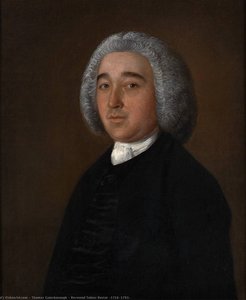
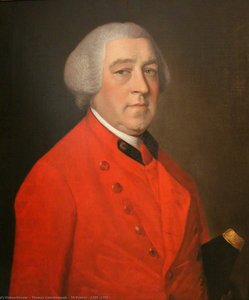
Thomas Gainsborough's *John Plampin*, painted in 1755, is more than just a portrait; it’s an exquisite distillation of the Rococo era’s emphasis on natural beauty and understated elegance. Housed within the hallowed halls of the National Gallery in London, this oil-on-canvas masterpiece invites us into a world of quiet contemplation, where the subject, John Plampin himself, becomes inextricably linked to the idyllic landscape surrounding him. The painting immediately establishes a sense of relaxed intimacy – a gentleman seemingly lost in a moment of peaceful observation, his posture suggesting both confidence and gentle amusement.
The composition is masterfully balanced. Plampin’s pose, with his foot resting casually on a tree branch and his hand gently cradling a spotted dog, speaks volumes about the era's fascination with pastoral life and the pursuit of simple pleasures. The dog, a small, endearing creature, isn’t merely a decorative element; it subtly reinforces the theme of companionship and contentment. Gainsborough’s skill lies not just in depicting the subject accurately but in conveying his character through subtle gestures and expressions – a hint of a smile playing on Plampin's lips hints at an inner life beyond the formal portraiture conventions of the time.
Gainsborough’s signature style, firmly rooted in the Rococo movement, is immediately apparent. The artist employs a remarkably delicate brushwork, creating a sense of shimmering light and atmospheric depth. Notice how he uses loose, flowing strokes to capture the texture of the tree bark and the dappled sunlight filtering through the leaves – these aren't sharply defined details but rather impressions, contributing to the painting’s overall feeling of softness and movement. The palette is restrained yet luminous, dominated by muted greens, blues, and browns, punctuated by the vibrant gold of Plampin’s coat buttons. This careful control of color and light is a hallmark of Gainsborough's technique, elevating the portrait beyond mere likeness to a truly evocative experience.
The background landscape isn’t merely a backdrop; it actively participates in the narrative. The trees, rendered with an almost dreamlike quality, create a sense of enclosure and tranquility. It’s a deliberate choice that draws the viewer into Plampin's world, suggesting a connection between the individual and the natural realm – a core tenet of the Rococo aesthetic.
*John Plampin* was painted during a period of significant social and artistic change in Britain. The late 18th century witnessed a growing interest in landscape painting, fueled by the ideals of the Enlightenment and a renewed appreciation for nature. Gainsborough himself embraced this trend, moving increasingly towards landscapes while retaining his skill as a portraitist. The inclusion of Plampin’s dog can be interpreted symbolically – representing loyalty, companionship, and perhaps even a connection to rural life, values that were becoming increasingly important in the evolving British social landscape.
Furthermore, the painting reflects the aristocratic tastes of the time, with its emphasis on leisure, refinement, and an appreciation for beauty. The blue coat, adorned with gold buttons, speaks to wealth and status, while Plampin’s relaxed demeanor suggests a man comfortable in his position. It's a portrait that captures not just a likeness but also a social standing.
Most-Famous-Paintings offers meticulously crafted hand-painted reproductions of *John Plampin*, allowing you to experience the artistry and beauty of this iconic work in your own home. Our skilled artists replicate Gainsborough’s delicate brushwork, nuanced color palette, and atmospheric depth with exceptional precision. Whether you're an art collector, a design enthusiast, or simply seeking a piece that evokes a sense of serenity and timeless elegance, a Most-Famous-Paintings reproduction of *John Plampin* is the perfect choice.
Consider how this painting’s themes – connection to nature, quiet contemplation, and understated grace – can inform your own interior design choices. The soft colors and relaxed composition create a calming atmosphere, making it an ideal addition to any room where you seek tranquility and beauty. Explore our collection today and bring the timeless charm of *John Plampin* into your world.


1727 - 1788 , Ηνωμένο Βασίλειο

Ανακαλύψτε τα 25 κορυφαία έργα τέχνης του John Singer Sargent! Πορτρέτα, ιμπρεσιονισμός & αριστουργήματα που αποπνέουν εκλεπτυσμό. Βρείτε αναπαραγωγές υψηλής ποιότητας για διακόσμηση τοίχου στο Most-Famous-Paintings.gr.
Ανακαλύψτε τα 25 κορυφαία έργα τέχνης του John Constable! Εξερευνήστε την αγγλική τοπιογραφία, τον ρομαντισμό και τη μαγεία της φύσης. Υψηλής ποιότητας αναπαραγωγές & ιδέες διακόσμησης στον χώρο σας. Ανακαλύψτε όλα τα αριστουργήματα στο Most-Famous-Paintings.com

Ανακαλύψτε τα 10 κορυφαία αριστουργήματα Ροκοκό! Μάθετε για τους Φραγκίσκο Μπουσέ, Ζαν-Ονορέ Φραγκονάρ & την τέχνη του 18ου αιώνα. Βρείτε πίνακες και διακοσμητικές ιδέες στο Most-Famous-Paintings.com.

Explore the rich history & techniques of oil painting – from Renaissance masters to Impressionism. Discover pigments, layering methods, and why this timeless medium endures. Expert insights for artists & art enthusiasts.

Explore the rich history & enduring techniques of oil painting on canvas. Discover the science behind its longevity, conservation practices, and contemporary relevance. Expert insights for art enthusiasts.


Μείνετε ενημερωμένοι για τις τελευταίες ειδήσεις σχετικά με την τέχνη, αποκλειστικές προσφορές και ιδέες διακόσμησης.
Πείτε μας περισσότερα για το έργο σας και οι ειδικοί μας στην τέχνη θα σας προσφέρουν 3 εξατομικευμένες προτάσεις έργων τέχνης.
Αφήστε μας να επιμεληθούμε 3 επιλογές αποκλειστικά για εσάς – Δωρεάν!


 Δείτε σε πραγματικό χώρο
 Αποστολή
 Κοινοποίηση
 Λεπτομέρειες

 Λήψη
Λήψη
 Παρόμοια αντικείμενα συλλογής
 Ακτινογραφία
 Παρουσίαση
 Διαβάστε περισσότερα







 Η επιλογή με γυαλί είναι διαθέσιμη μόνο για μεγέθη κάτω από 110 εκ.