


x


 Αγορά εκτύπωσης Αγορά ψηφιακής εικόνας
 Αποστολή
 Λεπτομέρειες
 Προσθήκη στα αγαπημένα
 Λήψη
Λήψη
 Παρόμοια έργα
 Ακτινογραφία
 Παρουσίαση
Χειροποίητη α óleo σε καμβά στο δικό σας μέγεθος και πλαίσιο, κατά παραγγελία από τους καλλιτέχνες μας.





























Επιλέξτε από τις προκαθορισμένες διαστάσεις μας που διατηρούν τις αρχικές αναλογίες του έργου τέχνης.

Μπορείτε να εισάγετε δικές σας διαστάσεις για να ταιριάξετε το έργο με ένα συγκεκριμένο πλαίσιο ή χώρο. Εάν το επιλεγμένο μέγεθος δεν συμπίπτει με τις αναλογίες της αρχικής εικόνας, θα περικοψούμε το έργο τέχνης ή θα επεκτείνουμε τη ζωγραφιά με πρόσθετα χειρόγραφα στοιχεία. Ένα ψηφιακό προσχέδιο θα σας σταλεί για έγκριση πριν την έναρξη της παραγωγής.
Παρακαλούμε σημειώστε ότι η προεπισκόπηση στην οθόνη δεν αντικατοπτρίζει την πραγματική περικοπή ή επέκταση. Μόνο το προσχέδιο θα δείξει με ακρίβεια την τελική σύνθεση.
Παρόλο που είναι διαθέσιμα προσαρμοσμένα μεγέθη, συνιστούμε να επιλέξετε μια διάσταση από τη λίστα των προκαθορισμένων μεγεθών για τη διατήρηση των αρχικών αναλογιών.
Παγκόσμια Αποστολή () σε 3/4 εβδομάδες αντί για τις συνήθεις 5 εβδομάδες. (18 Ιούλιος). Χωρίς συμβιβασμούς στην ποιότητα.


Julia Reading
Διαστάσεις Αναπαραγωγής
William James Glackens’ “Julia Reading,” painted in 1916, isn't merely a portrait; it’s a meticulously crafted window into the burgeoning dynamism and subtle social currents of early 20th-century New York City. Born during the height of the Ashcan School movement, Glackens rejected the idealized depictions favored by the National Academy of Design, instead choosing to capture the gritty reality of everyday life – the bustling streets, the casual interactions, and the quiet moments within a rapidly changing metropolis. “Julia Reading” exemplifies this approach, offering a glimpse into a specific scene that simultaneously feels intimate and profoundly connected to the larger urban narrative.
The painting immediately draws the eye to its central figure, a woman engrossed in a book. Her posture – slightly turned towards the viewer, her hand resting delicately on the page – conveys a sense of quiet contemplation amidst the implied activity around her. Glackens’ masterful use of light and shadow establishes a strong focal point, directing our gaze to Julia's face and highlighting the subtle details of her expression. The inclusion of two other individuals—a man standing behind her and another seated further back—adds layers of narrative complexity without disrupting the primary focus. These figures, though less defined, contribute to the sense of a shared space, a moment captured within the larger tapestry of urban life.
Glackens was a key figure in the Ashcan School, a movement that challenged the established norms of American art. Rejecting the polished surfaces and grand narratives of academic painting, the Ashcan artists sought to depict the realities of urban life with honesty and immediacy. They favored working-class subjects, unvarnished scenes, and often employed a darker palette—a deliberate choice reflecting the sometimes bleak conditions of city living. “Julia Reading” embodies this spirit perfectly; it’s not a romanticized vision of New York, but rather a realistic portrayal of a woman finding solace in literature within its crowded streets.
The painting's style is characterized by loose brushstrokes and an emphasis on capturing the essence of the scene. Glackens employed a technique reminiscent of Impressionism, using broken color and subtle gradations to create a sense of movement and atmosphere. The composition itself—a slightly off-center arrangement with overlapping planes—adds to the painting’s dynamism and invites the viewer to become part of the scene.
The book Julia is reading likely symbolizes escape, knowledge, or perhaps simply a moment of respite from the demands of city life. It's a small detail that speaks volumes about the human desire for intellectual stimulation amidst the chaos of urban existence. The setting itself—a public space filled with implied activity—suggests a sense of anonymity and connection within a large population. “Julia Reading” was painted during a period of rapid industrialization and urbanization in America, a time of significant social and economic change. The painting reflects this transformation, capturing the spirit of a city grappling with modernity while still retaining its inherent human qualities.
William James Glackens’ work continues to resonate today because it offers a powerful and honest portrayal of American life. “Julia Reading” stands as a testament to his skill as an artist and his commitment to capturing the realities of the urban experience. His legacy extends beyond individual paintings; he helped pave the way for future generations of artists who sought to depict America with greater authenticity and social awareness. Reproductions of this evocative piece offer a valuable window into a bygone era, inviting viewers to contemplate the timeless themes of human connection, solitude, and the enduring power of art.


1870 - 1938 , Ηνωμένες Πολιτείες της Αμερικής

Explore the captivating landscapes of William Trost Richards, a master of Luminism associated with both the Hudson River School & American Pre-Raphaelite movements. Discover his spiritual connection to nature and lasting influence on American art.
Ανακαλύψτε τα 10 αριστουργήματα του Αμερικανικού Ρεαλισμού! Edward Hopper, Norman Rockwell & άλλοι ζωγράφοι. Ιστορίες τέχνης, τεχνικές και έμπνευση για διακόσμηση σπιτιού. Βρείτε αναπαραγωγές υψηλής ποιότητας στο Most-Famous-Paintings.com

Explore the life & legacy of Robert Henri, a pivotal figure in American Realism. Discover his captivating portraits, influence on the Ashcan School, and enduring impact on art history. Learn more at Most-Famous-Paintings.

Explore the life & art of William Glackens, a pioneer of American Realism and founding member of the Ashcan School. Discover his vibrant depictions of early 20th-century New York & Paris. Learn about his influences & lasting legacy.
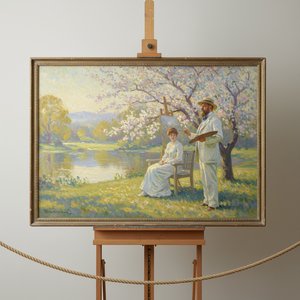
Explore the life & work of William Merritt Chase, a leading American Impressionist painter and influential art educator. Discover his vibrant portraits, landscapes, and lasting legacy with Most-Famous-Paintings.


Μείνετε ενημερωμένοι για τις τελευταίες ειδήσεις σχετικά με την τέχνη, αποκλειστικές προσφορές και ιδέες διακόσμησης.
Πείτε μας περισσότερα για το έργο σας και οι ειδικοί μας στην τέχνη θα σας προσφέρουν 3 εξατομικευμένες προτάσεις έργων τέχνης.
Αφήστε μας να επιμεληθούμε 3 επιλογές αποκλειστικά για εσάς – Δωρεάν!


 Κοινοποίηση


 Περισσότερα λεπτομέρεια







 Η επιλογή με γυαλί είναι διαθέσιμη μόνο για μεγέθη κάτω από 110 εκ.


