x

Εκτύπωση giclée ή σε καμβά ποιότητας μουσείου με γρήγορη παραγωγή και ευέλικτες επιλογές φινιρίσματος. ( Αγορά χειροποίητου πίνακα Αγορά ψηφιακής εικόνας)





























Επιλέξτε από τις προκαθορισμένες διαστάσεις μας που διατηρούν τις αρχικές αναλογίες του έργου τέχνης.

Μπορείτε να εισαγάγετε δικές σας διαστάσεις ώστε να ταιριάξουν με ένα συγκεκριμένο πλαίσιο ή χώρο. Εάν το επιλεγμένο μέγεθος δεν συμπίπτει με τις αναλογίες της πρωτότυπης εικόνας, θα κόψουμε το έργο τέχνης ή θα επεκτείνουμε την εικόνα με καθρεφτισμένη ή μονόχρωμη ατέλεια. Θα σας αποσταλεί ένα ψηφιακό mockup για έγκρισή σας πριν από την έναρξη της παραγωγής.
Παρακαλούμε σημειώστε ότι η προεπισκόπηση στην οθόνη δεν αντικατοπτρίζει την πραγματική κοπή ή επέκταση. Μόνο το mockup θα δείξει με ακρίβεια την τελική σύνθεση.
Παρόλο που είναι διαθέσιμες προσαρμοσμένες διαστάσεις, προτείνουμε την επιλογή μιας διάστασης από τη προκαθορισμένη λίστα για τη διατήρηση των αρχικών αναλογιών.
Παγκόσμια Αποστολή () σε 2 εβδομάδες αντί για τις συνήθεις 4/5 εβδομάδες. (18 Αύγουστος)


Haymaking
Διαστάσεις Αναπαραγωγής
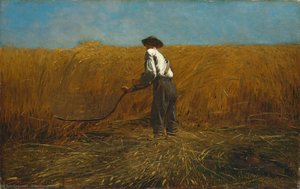
Winslow Homer's "Haymaking," painted in 1864 during the tumultuous years of the American Civil War, is more than just a depiction of agricultural labor; it’s a profound meditation on the rhythms of rural life, the dignity of work, and the quiet beauty found within the commonplace. Housed within the Columbus Museum of Art, this oil-on-canvas masterpiece offers a glimpse into a world both familiar and subtly transformed by the anxieties of a nation at war. Homer, a pivotal figure in American art, masterfully captures not just the visual elements of a hayfield, but also an atmosphere of serene contemplation—a rare and powerful sentiment during a period defined by conflict.
The scene unfolds with remarkable clarity. A solitary man, rendered in meticulous detail, stands amidst a vast expanse of golden wheat, his movements purposeful yet unhurried. He’s not a heroic figure engaged in grand battles, but rather an ordinary farmer, absorbed in the essential task of harvesting hay—a vital contribution to the sustenance of his community. Homer's skill lies in his ability to imbue this simple act with significance. The man’s attire – a worn hat and straw hat – speaks volumes about his life, suggesting resilience and connection to the land. The composition is carefully balanced; the figure occupies a central position, drawing the viewer’s eye while the surrounding trees and sky provide a sense of depth and scale.
Homer’s masterful use of color is integral to the painting’s evocative power. He employs a warm, earthy palette—ochres, yellows, and browns—that evokes the comforting warmth of sunlight filtering through wheat stalks. These hues are juxtaposed with cooler blues and greens in the distant trees, creating a harmonious balance between the foreground activity and the expansive landscape. The light itself is crucial; Homer captures the late afternoon sun, casting long shadows across the field and bathing the scene in a golden glow. This isn’t merely realistic representation; it's an intentional orchestration of color and light designed to create a mood of tranquility and contentment.
Technically, “Haymaking” demonstrates Homer’s evolving style. While influenced by his early work as a commercial illustrator, he moves towards a more painterly approach, utilizing loose brushstrokes and a focus on capturing the texture of the hay and the natural world. The detail is remarkable – you can almost feel the roughness of the straw and hear the rustle of the wheat in the breeze. Homer’s ability to translate observation into paint is truly exceptional.
“Haymaking” was painted during the Civil War, a period of immense social and emotional upheaval. While seemingly a simple rural scene, the painting carries significant symbolic weight. The man’s solitary labor can be interpreted as a metaphor for the resilience and quiet strength of the American people in the face of adversity. It's a reminder that even amidst national turmoil, life continues—and essential tasks must be performed.
Furthermore, Homer’s choice to depict this scene during wartime was deliberate. He sought to offer a counterpoint to the grim realities of battle, presenting an image of normalcy and continuity. The painting subtly suggests that beauty and purpose can still be found in everyday life, even when surrounded by conflict. The work resonates with themes of American identity and the enduring spirit of its people.
A hand-painted reproduction of Winslow Homer’s "Haymaking" offers a remarkable opportunity to bring this iconic artwork into your home or office. Most-Famous-Paintings meticulously recreates the painting's nuanced color palette, textural details, and atmospheric quality using traditional oil painting techniques. The result is a stunningly accurate representation that captures the essence of Homer’s original vision—a testament to his artistic skill and a poignant reminder of the beauty found in the simple rhythms of rural life.
Consider how this evocative image can enhance your interior design, adding a touch of timeless elegance and quiet contemplation. Whether displayed as a statement piece or incorporated into a more subtle setting, “Haymaking” is sure to become a cherished focal point, inviting viewers to pause and appreciate the enduring power of American art.

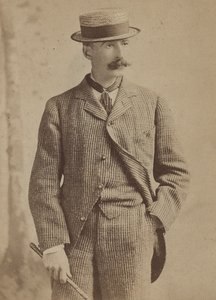
1836 - 1910 , Ηνωμένες Πολιτείες της Αμερικής
Ανακαλύψτε τα 25 εμβληματικότερα έργα τέχνης του Winslow Homer! Εξερευνήστε τη ζωή, την τεχνική & την ιστορία των πιο διάσημων πινάκων του αμερικανικού ιμπρεσιονισμού. Βρείτε αναπαραγωγές υψηλής ποιότητας για διακόσμηση σπιτιού στο Most-Famous-Paintings.com.
Ανακαλύψτε τα 10 αριστουργήματα του Αμερικανικού Ρεαλισμού! Edward Hopper, Norman Rockwell & άλλοι ζωγράφοι. Ιστορίες τέχνης, τεχνικές και έμπνευση για διακόσμηση σπιτιού. Βρείτε αναπαραγωγές υψηλής ποιότητας στο Most-Famous-Paintings.com

Explore the world of Grant Wood & American Regionalism with Most-Famous-Paintings. Discover the symbolism behind 'American Gothic', recurring themes, and the movement's lasting impact on art history. High-quality reproductions available.
Ανακαλύψτε τα 10 κορυφαία έργα τέχνης που αποτυπώνουν την ομορφιά του τοπίου! Από Monet έως Van Gogh, εξερευνήστε ιστορίες, τεχνικές & χρώματα. Βρείτε πίνακες για διακόσμηση στο Most-Famous-Paintings.gr.
Ανακαλύψτε τα 25 κορυφαία έργα τέχνης του John Constable! Εξερευνήστε την αγγλική τοπιογραφία, τον ρομαντισμό και τη μαγεία της φύσης. Υψηλής ποιότητας αναπαραγωγές & ιδέες διακόσμησης στον χώρο σας. Ανακαλύψτε όλα τα αριστουργήματα στο Most-Famous-Paintings.com


Μείνετε ενημερωμένοι για τις τελευταίες ειδήσεις σχετικά με την τέχνη, αποκλειστικές προσφορές και ιδέες διακόσμησης.
Πείτε μας περισσότερα για το έργο σας και οι ειδικοί μας στην τέχνη θα σας προσφέρουν 3 εξατομικευμένες προτάσεις έργων τέχνης.
Αφήστε μας να επιμεληθούμε 3 επιλογές αποκλειστικά για εσάς – Δωρεάν!


 Δείτε σε πραγματικό χώρο
 Αποστολή
 Κοινοποίηση
 Λεπτομέρειες

 Λήψη
Λήψη
 Παρόμοια αντικείμενα συλλογής
 Ακτινογραφία
 Παρουσίαση

 Διαβάστε περισσότερα







 Η επιλογή με γυαλί είναι διαθέσιμη μόνο για μεγέθη κάτω από 110 εκ.