x

 Acrylic On CanvasWallArtBaroque Style
 1602
1602 179.0 x 118.0 cm
 Staatliche Museen
Hand-painted oil on canvas in your size and frame, made to order by our artists. ( Switch to Print Switch to Image)





























Pick from our preset sizes that match the artwork's original proportions.

You may enter your own dimensions to fit a specific frame or space. If your selected size does not match the original image's proportions, we will either crop the artwork or extend the painting with additional hand-painted elements. A digital mockup will be sent for your approval before production begins.
Please note that the on-screen preview does not reflect the actual cropping or extension. Only the mockup will accurately show the final composition.
While custom sizes are available, we recommend selecting a dimension from the predefined list to preserve the original proportions.
Worldwide Delivery () in 3/4 weeks instead of standard 5 weeks. (11 August). No compromise on quality.


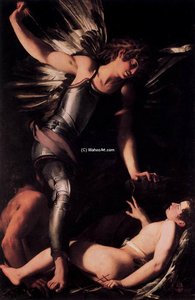
Heavenly Love and Earthly Love
Reproduction Size
Giovanni Baglione (1566-1643) stands as an enigmatic figure within the artistic panorama of early 17th-century Rome—a city ablaze with innovation and rivalry. Often overshadowed by luminaries like Caravaggio and Bernini, Baglione’s contribution transcends mere painting; he was arguably the first dedicated art historian, offering a remarkably detailed eyewitness account of his era's transformative artistic currents.
Born into a noble Perugia family that had established roots in Rome for generations, Baglione’s formative years were steeped in humanist scholarship alongside artistic training. Initially mentored by Francesco Morelli—a Florentine artist who championed the revival of classical ideals—he swiftly absorbed Caravaggio's revolutionary style, embracing tenebrism and dramatic realism. This encounter ignited a fervent debate about artistic expression, propelling Baglione into a protracted confrontation with his contemporary.
Baglione’s magnum opus, *Heavenly Love and Earthly Love*, exemplifies this stylistic tension. Painted in 1602–1603 for Cardinal Benedetto Giustiniani—a commission that fueled the artistic rivalry—the canvas depicts Eros, the god of love, engaging in a perilous battle against Anteros, the god of requited desire.
The painting’s composition is meticulously crafted, mirroring Caravaggio's groundbreaking approach. Baglione skillfully employs tenebrism—a technique characterized by stark contrasts between light and dark—to heighten dramatic intensity and focus attention on Eros and Cupid as the central figures. Unlike Caravaggio’s unflinching realism, Baglione maintains a Mannerist sensibility, incorporating attenuated proportions and stylized poses to convey an idealized vision of divine passion.
Beyond its stylistic innovations, *Heavenly Love and Earthly Love* resonates with profound symbolic meaning. The depiction of the naked young boy—a deliberate challenge to prevailing moral standards—underscores the painting’s exploration of human vulnerability and spiritual aspiration. Baglione's masterful use of light and shadow amplifies these themes, creating an emotionally charged tableau that captures the essence of the mythological narrative.
Giovanni Baglione’s enduring legacy extends far beyond his artistic achievements. His *Le Vite*, a monumental chronicle of Roman artists published in 1609–1610, remains an invaluable primary source for understanding the Baroque period—a testament to Baglione's pioneering role as an art historian and his unwavering commitment to preserving cultural memory.
For a deeper appreciation of Baglione’s oeuvre and intellectual contributions, consult these resources:


1566 - 1643 , Italy

Explore the dramatic world of Italian Baroque art. Discover how masters like Caravaggio used chiaroscuro and tenebrism to revolutionize painting through light, shadow, and profound realism. A definitive guide for history lovers and art collectors.

Explore the dramatic power of Baroque art through an expert guide to light, shadow, and emotion. Discover how the Counter-Reformation shaped 17th-century masterpieces and learn about the profound techniques used by the Old Masters to inspire awe.

Explore the profound elegance of Baroque Classicism. Discover how 17th-century masters synthesized dramatic emotion with classical order through the lens of the Counter-Reformation and the works of legends like Carlo Maratta and Andrea Sacchi.

Explore the profound drama of 17th-century Baroque art. Discover how masters used chiaroscuro, movement, and emotional intensity to redefine history through the lens of the Counter-Reformation. An expert guide for art historians and collectors seeking deep cultural insight.

Explore the dramatic power of Baroque art. Discover how masters like Caravaggio used chiaroscuro and light to redefine emotion, history, and faith through a definitive guide for art enthusiasts and collectors.


Stay updated with the latest art news, exclusive offers, and decoration ideas.
Tell us about your project and our art experts will provide you with 3 personalized art suggestions.
Let Us Curate 3 Options Just for You - Free!


 Preview
 Send
Send Share
Share
 Details

 Download
 Similars
 X-Ray
X-Ray Diaporama
 Read More







 Glass option is only available in size under 110 CM