x

Hand-painted oil on canvas in your size and frame, made to order by our artists. ( Buy Print Buy Image)





























Pick from our preset sizes that match the artwork's original proportions.

You may enter your own dimensions to fit a specific frame or space. If your selected size does not match the original image's proportions, we will either crop the artwork or extend the painting with additional hand-painted elements. A digital mockup will be sent for your approval before production begins.
Please note that the on-screen preview does not reflect the actual cropping or extension. Only the mockup will accurately show the final composition.
While custom sizes are available, we recommend selecting a dimension from the predefined list to preserve the original proportions.
Worldwide Delivery () in 3/4 weeks instead of standard 5 weeks. (14 August). No compromise on quality.


The Conversation, oil on canvas, The Hermitage
Reproduction Size
Henri Matisse's "The Conversation," painted in 1909, isn’t merely a depiction of two figures engaged in dialogue; it’s a carefully constructed tableau brimming with Fauvist energy and profoundly personal meaning. Housed within the walls of The Hermitage Museum in St. Petersburg, this oil on canvas offers a rare glimpse into Matisse's private world – a world where artistic experimentation intertwined seamlessly with his relationship with his wife, Amélie. Initially created for Russian art collector Sergei Shchukin, the painting’s journey through revolution and subsequent donation to the public adds another layer of intrigue to its already captivating narrative.
The scene unfolds within a modestly furnished room, bathed in a deliberately flat, almost theatrical light. Matisse himself stands on the left, his posture suggesting quiet observation, while Amélie sits on the right, her gaze fixed directly upon him. The background is dominated by a window framing a vibrant tree – a subtle yet crucial element that introduces an element of nature and perhaps even a yearning for the outside world into this intimate domestic setting. Noticeably absent are any overt details of their surroundings; the furniture is simplified, the colors bold and unmodulated, characteristic hallmarks of the Fauvist movement. This deliberate reduction of detail forces the viewer to focus entirely on the figures themselves and the unspoken dynamics between them.
Matisse’s masterful use of color is undeniably central to the painting's impact. He abandons traditional notions of realistic representation, opting instead for a vibrant, almost hallucinatory palette. Deep blues and greens dominate the background, creating a sense of depth and mystery while simultaneously drawing attention to the figures in the foreground. The striped pajamas worn by Matisse – a detail that speaks volumes about his personal habits and preferences – are rendered in a striking combination of yellows and reds, further intensifying the visual drama. This isn’t simply decorative color; it's an emotional language, conveying mood, atmosphere, and perhaps even subconscious feelings.
The Fauvist style, to which “The Conversation” belongs, prioritized subjective experience over objective reality. Matisse, along with artists like André Derain and Maurice de Vlaminck, sought to express their inner emotions through color alone. They rejected the muted tones of Impressionism in favor of bold, arbitrary hues that aimed to evoke a visceral response in the viewer. This approach is brilliantly exemplified here – the colors don’t simply describe; they *feel*. The intensity of the blues and reds creates a palpable sense of intimacy and perhaps even tension, inviting us to speculate about the nature of their conversation.
Beyond its formal qualities, “The Conversation” offers a poignant glimpse into Matisse’s personal life. The painting was created during a period when he was experimenting with new ways of representing human figures and exploring the relationship between art and everyday experience. Notably, Matisse often painted while wearing his pajamas – a habit that became so ingrained in his routine that it frequently appeared in his work. This detail—the striped pajamas—is not merely a stylistic choice; it’s a declaration of comfort, a testament to his personal preferences, and a subtle commentary on the blurring boundaries between art and life.
Furthermore, the painting's creation was deeply influenced by Sergei Shchukin, a significant patron of modern art who played a crucial role in fostering artistic innovation in Russia. The fact that “The Conversation” hung in Shchukin’s home until it was seized during the Russian Revolution highlights its significance within the broader context of early 20th-century art history. It's a testament to Matisse's ability to connect with influential figures and contribute to the evolution of modern artistic expression.
Most-Famous-Paintings offers meticulously crafted, hand-painted reproductions of Henri Matisse’s "The Conversation," allowing you to bring this iconic masterpiece into your own home. Our skilled artists replicate the painting's vibrant colors and dynamic composition with exceptional attention to detail, ensuring a faithful representation of Matisse’s original vision. Whether you are an art enthusiast, a collector, or simply seeking a stunning piece of decorative art, our reproductions provide a beautiful and authentic way to experience the power and beauty of this seminal work. Explore our range of sizes and framing options to find the perfect addition to your collection – a timeless reminder of Matisse’s genius and his profound exploration of human connection.


1869 - 1954 , France
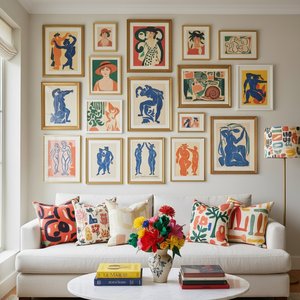
Journey through Henri Matisse's 25 most iconic paintings! Explore Fauvism, vibrant colors & the stories behind masterpieces like 'The Dance'. Find museum-quality art reproductions and curated decor ideas to elevate your space. Discover all masterpieces on Most-Famous-Paintings.com.

Explore 10 Fauvist masterpieces by Matisse, Derain & Vlaminck that ignited Modern Art! Discover bold colors, expressionist landscapes & the history of this revolutionary movement. Find museum-quality prints at Most-Famous-Paintings.com.
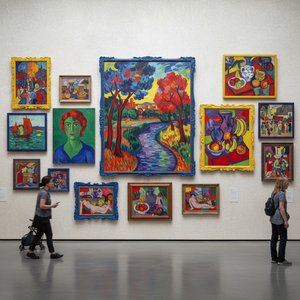
Explore the revolutionary world of Fauvism! Discover 10 masterpieces by Matisse, Derain & Vlaminck that defined this bold art movement. Find museum-quality reproductions and vibrant canvas prints to elevate your home decor at .

Explore the revolutionary art of Henri Matisse! Discover his bold use of color, Fauvist origins, and lasting impact on modern painting. A comprehensive guide for art enthusiasts.

Explore the revolutionary Fauvism movement & Henri Matisse's bold use of color! Discover key characteristics, iconic artworks, and its lasting impact on modern art history with Most-Famous-Paintings.


Stay updated with the latest art news, exclusive offers, and decoration ideas.
Tell us about your project and our art experts will provide you with 3 personalized art suggestions.
Let Us Curate 3 Options Just for You - Free!


 Preview
 Send
Send Share
Share
 Details

 Download
 Similars
 X-Ray
X-Ray Diaporama

 Read More







 Glass option is only available in size under 110 CM