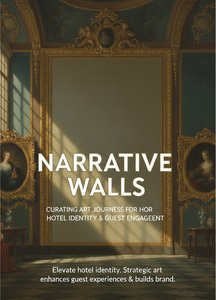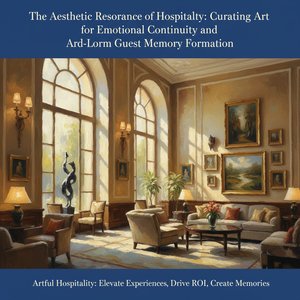


The Evolving Role of Art: From Aesthetic Enhancement to Emotional Storytelling
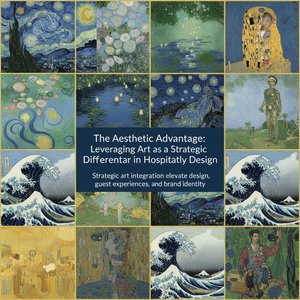 The Aesthetic Advantage: Leveraging Art as a Strategic Differentiator in Hospitality Design
Discover how strategic art integration elevates hospitality design & enhances guest experiences. Expert insights on curation, brand identity, ROI, and custom solutions for luxury hotels. Learn to leverage art as a powerful differentiator.
For centuries, the spaces we inhabit have been imbued with meaning through art—from the monumental frescoes adorning Renaissance palazzi to the intimate portraits gracing Victorian drawing rooms. Historically, these artistic expressions served not merely as decoration but as powerful statements of power, faith, and social standing. Yet, in the modern era, a subtle yet profound shift has occurred. The emphasis is no longer solely on aesthetic grandeur; instead, contemporary design increasingly prioritizes emotional resonance—the ability of art to evoke feeling, foster connection, and create lasting memories. This evolution demands a re-evaluation of traditional approaches, moving beyond superficial beauty towards a deeper understanding of the psychological impact of artwork.
Consider the grand hotels of the Belle Époque, lavishly decorated with ornate furnishings and opulent paintings. While visually stunning, these spaces often lacked a sense of authenticity or personal connection. Today’s discerning traveler seeks more than just luxury; they crave experiences that are meaningful, immersive, and uniquely rooted in their surroundings. Art, therefore, transcends its decorative function, becoming a vital tool for storytelling and identity creation. The very act of selecting a piece—a vibrant landscape, a thought-provoking abstract sculpture, or a delicate portrait—becomes an intentional gesture, communicating values, aspirations, and a commitment to cultural preservation. The subtle power of color psychology, the evocative nature of composition, and the historical context of each work all contribute to this emotional tapestry.
Curating for Connection: Aligning Art with Brand Identity & Target Audience
 Atmospheric Resonance: Curating Art for Elevated Hospitality Experiences
Elevate your hospitality environment with strategic art curation. Discover expert insights on sourcing, installation & maximizing ROI through impactful artwork that enhances guest experiences and defines your brand identity.
Brand identity serves as the cornerstone of any successful hospitality venture—a carefully crafted narrative that differentiates a property in a crowded market. A cohesive and compelling brand story attracts a specific target audience, cultivates lasting customer relationships, and ultimately drives revenue. While logos, color schemes, and typography play a crucial role in establishing this identity, art offers a more nuanced and sophisticated means of communication. It’s about translating abstract concepts—sophistication, tranquility, adventure—into tangible experiences.
Imagine a boutique hotel nestled amidst the rolling hills of Tuscany. A collection featuring local landscapes, rendered in warm earth tones and impressionistic brushstrokes, would seamlessly reinforce its brand identity as an authentic Italian retreat. Conversely, a sleek urban hotel might opt for abstract works with bold geometric shapes and metallic finishes, reflecting modernity and innovation. The key lies in understanding the target demographic—their preferences, aspirations, and emotional triggers. A well-curated collection should act as an extension of the brand’s core principles, resonating across all touchpoints, from the lobby and guest rooms to the restaurants and public spaces. Custom artwork commissions can further enhance this connection, creating a truly bespoke experience that embodies the brand's unique vision.
The Psychology of Space: How Artwork Impacts Guest Experience and Well-being
The psychology of art is the scientific study of cognitive and emotional processes precipitated by the sensory perception of aesthetic artefacts, such as viewing a painting or touching a sculpture. It is an emerging multidisciplinary field of inquiry...
The environment profoundly influences our emotional state—shaping our perceptions, behaviors, and overall sense of well-being. Strategic art curation leverages this inherent connection, creating spaces that evoke specific feelings and enhance the guest experience. The 'Transformative Power of Art' isn’t simply a matter of aesthetic preference; it’s rooted in the principles of psychology.
Calming color palettes—soft blues, gentle greens, muted grays—promote relaxation and tranquility, ideal for spa areas or quiet lounges. Dynamic abstract works stimulate conversation and creativity, perfect for social spaces like lobbies and restaurants. The placement of artwork is equally crucial; guiding visitors through the space with carefully chosen pieces, creating focal points that draw the eye, and evoking a sense of wonder. Incorporating local art adds authenticity and depth, fostering a connection to the surrounding community. Furthermore, interactive installations or artist-in-residence programs can create unique and memorable experiences, transforming a simple stay into an immersive journey. Consider the impact of scent—a subtle fragrance complementing the artwork’s theme—or sound—ambient music enhancing the emotional atmosphere.
Sourcing Authenticity: Building Relationships with Artists and Galleries
The traditional approach to art acquisition often involved purchasing mass-produced prints or generic décor, lacking originality and personal connection. Contemporary hotels prioritize authenticity, seeking artwork that reflects a specific vision and resonates with their surroundings. This necessitates building strong relationships with artists, galleries, and art consultants—establishing access to unique pieces and supporting thriving artistic ecosystems.
Collaborating with local artists demonstrates a commitment to cultural preservation and economic vitality, fostering a sense of place and authenticity that deeply resonates with discerning travelers. Reputable galleries provide expert guidance, ensuring the quality and provenance of each piece. Art consultants offer valuable insights on sourcing, installation, and maximizing ROI. Ethical considerations are paramount—ensuring fair compensation for artists and responsible sourcing practices. The process should be viewed as a partnership—a collaborative effort that benefits both the hotel and the artistic community.
Installation as Intent: Maximizing Impact Through Lighting, Placement & Scale
The selection of artwork is only half the battle; proper installation is equally crucial for maximizing its impact and creating a cohesive visual narrative. Poorly lit or inappropriately placed pieces can detract from their aesthetic appeal and diminish their emotional resonance.
Strategic lighting highlights key features, creates focal points, and evokes specific moods—a warm glow accentuating the texture of an oil painting, or focused beams illuminating the intricate details of a sculpture. Placement should consider sightlines, flow of movement, and overall spatial composition—guiding visitors through the space with carefully chosen pieces that tell a story. Framing complements the artwork’s style and enhances its visual presence. The scale and proportion of artwork relative to the surrounding environment are also critical; an oversized piece can command attention in a grand lobby, while smaller works might be more appropriate for intimate guest rooms. The goal is to create a harmonious balance—a seamless integration of art and architecture that elevates the overall experience.
Art as Investment: ROI, Collection Management & Future Trends in Hospitality Design
Traditionally, artwork was often considered an expense rather than an investment. However, contemporary hotels recognize its potential for enhancing property value, attracting discerning guests, and generating positive publicity. Strategic curation involves selecting pieces with long-term appreciation potential—works by emerging artists or established masters whose reputations are likely to grow.
Ongoing collection management ensures proper maintenance, insurance, and appraisal—protecting the investment and maximizing its financial return. Rotating exhibits or artist-in-residence programs can generate additional revenue streams, attracting new visitors and fostering a sense of community. The future of hospitality design lies in creating immersive experiences that engage the senses and foster emotional connection. Technology, personalization, and sustainability will play increasingly important roles—interactive installations, virtual reality art tours, and personalized artwork recommendations based on guest preferences. Ultimately, art is not merely decoration; it’s a powerful tool for storytelling, identity creation, and building lasting relationships with discerning travelers.