

The Enduring Legacy of Renaissance Interiors: Symmetry, Narrative & Humanism
Art history is an academic discipline devoted to the study of artistic production and visual culture throughout human history. Art historians use a historical method or a philosophy, such as historical materialism or critical theory, to analyze artwo...
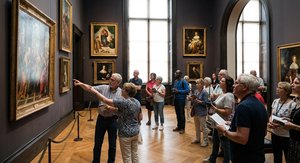
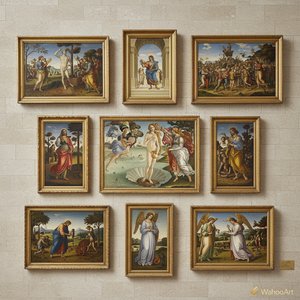
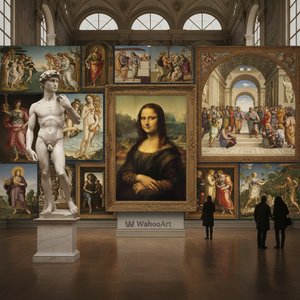
The pursuit of a truly timeless interior isn’t about slavishly copying historical styles; it's about understanding the underlying principles that made those styles resonate so powerfully. And few periods offer as rich a foundation for enduring aesthetic harmony as the Renaissance. Born from a rediscovery of classical ideals – Greek and Roman philosophy, art, and architecture – the Renaissance championed balance, proportion, and a renewed focus on human experience. Interiors weren’t merely decorative spaces; they were statements of intellectual prowess, social standing, and a burgeoning sense of individual identity. Symmetry was paramount, not as a rigid formality but as a reflection of cosmic order, often achieved through carefully arranged furniture groupings, the strategic placement of artwork, and architectural features that mirrored each other across central axes.
Consider the palazzi of Florence or the stately homes of England inspired by Italian design. Walls were adorned with frescoes depicting mythological scenes, portraits of esteemed ancestors, and allegorical representations of virtues like wisdom, justice, and fortitude. These weren’t simply beautiful images; they were visual narratives designed to educate, inspire, and elevate the status of those who inhabited the space. The use of rich colors – deep reds signifying power and passion, golds evoking divine light, and blues representing tranquility and contemplation – further enhanced this sense of opulence and gravitas. The materials themselves spoke volumes: marble floors suggesting permanence and wealth, intricately carved wood paneling demonstrating craftsmanship and refinement, and luxurious textiles hinting at global trade and sophistication.
To incorporate the Renaissance spirit into a modern home doesn’t require replicating entire rooms. Instead, focus on adopting its core principles. Embrace symmetry in furniture arrangement – flanking a fireplace with matching armchairs or creating balanced vignettes on either side of a doorway. Choose artwork that tells a story or reflects your personal passions. Invest in pieces crafted from high-quality materials that will stand the test of time. And remember, the Renaissance was about celebrating human potential; fill your space with objects that inspire creativity, intellectual curiosity, and a sense of well-being.
Impressionist Light & Atmosphere: Capturing Fleeting Beauty in Modern Homes
 Tahitian Landscape
Where the Renaissance sought order and clarity, Impressionism embraced ambiguity and subjectivity. This revolutionary movement, born in 19th-century France, challenged traditional notions of art by focusing on capturing fleeting moments of light and color. Artists like Claude Monet, Edgar Degas, and Pierre-Auguste Renoir weren’t interested in depicting reality as it *was*, but rather as they *experienced* it – the shimmering reflections on water, the dappled sunlight filtering through trees, the vibrant energy of a bustling city street.
The impact of Impressionism extends far beyond the canvas. Translating this aesthetic into interior design involves prioritizing natural light, using a muted yet evocative color scheme, and incorporating textures that evoke a sense of warmth and tranquility. Think about layering different shades of blues, greens, and yellows to mimic the atmosphere of Monet’s garden at Giverny or Renoir’s sun-drenched landscapes. The use of sheer fabrics allows sunlight to diffuse softly throughout the space, creating an airy lightness. Loosely arranged furniture and a lack of rigid formality further enhance this feeling of relaxed elegance.
En plein air, painting outdoors directly from observation, was central to the Impressionist ethos. While replicating that experience indoors is impossible, you can evoke its spirit by incorporating elements of nature – potted plants, floral arrangements, or artwork depicting outdoor scenes. Furthermore, Impressionist paintings themselves are powerful additions to any space; their ability to capture emotion and atmosphere adds depth and personality. Consider a delicate watercolor landscape in the dining room or a vibrant oil painting capturing a Parisian boulevard in the living room.
Pop Art’s Bold Rebellion: Injecting Playfulness and Individuality into Interior Spaces
 Just what is it that makes today’s homes so different, so appealing.
Explore Richard Hamilton’s iconic 'Just What Is It?' collage! A groundbreaking Pop Art masterpiece blending surrealism & consumer culture. Discover its symbolism and historical significance.
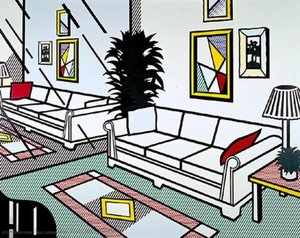
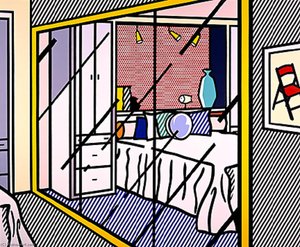
Emerging in the mid-20th century, Pop Art was a deliberate rejection of highbrow artistic conventions. Artists like Andy Warhol, Roy Lichtenstein, and Claes Oldenburg embraced the imagery of consumer culture – advertising posters, comic strips, everyday objects – transforming them into iconic works of art. This wasn’t about celebrating beauty in the traditional sense; it was about challenging notions of taste, questioning societal norms, and reflecting the rapidly changing world around them.
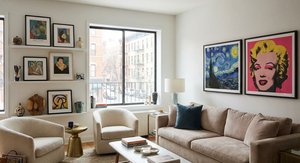
Incorporating Pop Art into your interior design involves embracing a more eclectic and unconventional approach. Don’t be afraid to mix bright colors with unexpected textures or incorporate vintage advertising posters and quirky collectibles. The key is to have fun and express your individuality. Consider using statement furniture pieces in bold, primary colors – a brightly upholstered sofa or a geometrically patterned rug. A gallery wall featuring iconic Pop Art prints adds instant visual impact. However, it's important to balance the vibrancy of Pop Art with more neutral elements to avoid overwhelming the space.
Technique is key: Lichtenstein’s signature Ben-Day dots and Warhol’s silkscreen printing techniques can be subtly referenced through patterned fabrics or graphic wallpaper. The use of repetition – a common motif in Pop Art – can also add visual interest. But remember, Pop Art isn't about simply replicating the aesthetic; it's about embracing its spirit of rebellion and challenging conventions.
Chromatic Harmony: The Psychology and History of Color in Aesthetic Design
 Chromatic Narratives: Exploring the Psychological & Cultural Significance of Color in Art History
Explore the fascinating intersection of color, emotion & culture in art history. Discover how master artists used hue to evoke feelings and learn how to select artwork that resonates with your personal aesthetic – a guide for discerning collectors.
Color is arguably the most powerful tool at an interior designer’s disposal. It has the ability to evoke specific emotions, influence our perceptions of space, and even alter our moods. Understanding the principles of color psychology – how different hues affect our brains and bodies – allows you to curate a palette that aligns with your desired atmosphere.
Warm colors like red and orange tend to be energizing and inviting, stimulating conversation and creating a sense of warmth. Cool colors like blue and green promote calmness and relaxation, making them ideal for bedrooms or spaces intended for contemplation. Neutral colors like gray and beige provide a versatile backdrop that allows other elements to shine. However, color isn’t simply about personal preference; it also has deep historical roots.
Renaissance artists favored rich jewel tones – ruby reds, sapphire blues, emerald greens – evoking a sense of opulence and divine power. Impressionists embraced softer pastels, capturing the delicate nuances of light and atmosphere. Pop Art championed bold primaries, reflecting the vibrant energy of consumer culture. By drawing inspiration from these movements, you can create a palette that is both visually appealing and historically informed. Consider the interplay of complementary colors – blue and orange, red and green – to create visual contrast and excitement. And don’t be afraid to experiment with different shades and tones to find what resonates most with your personal style.
Beyond Trends: Building a Timeless Interior Through Texture, Dialogue & Personal Narrative
 The Art of Dialogue: Exploring Conversational Themes in Visual Culture
Explore the rich history of conversational themes in art – from Rococo society to contemporary portraits. Discover how artists use dialogue to foster connection and reclaim narratives. Expert insights for collectors.
True aesthetic enduringness isn't about following fleeting trends; it's about creating a space that reflects your unique personality, intellectual curiosity, and emotional experiences. This requires moving beyond superficial decoration and delving into the foundational principles of design – texture, dialogue, and personal narrative.
Texture refers to the surface quality of materials – whether it’s the smoothness of polished wood, the roughness of woven fabric, or the coolness of stone. Incorporating a variety of textures adds visual interest and tactile appeal to your home. Layer different fabrics with varying weights and patterns – combining velvet cushions with linen throws, for example. The use of natural materials like wood, stone, and leather can also add warmth and authenticity. Art isn’t merely decorative; it's a form of communication. The pieces you choose should reflect your values, interests, and experiences. Consider how different artworks interact with each other – do they create a sense of harmony or contrast? Do they tell a story or evoke specific memories?
The arrangement of artwork can also be used to create a dialogue between past and present – pairing classical paintings with contemporary sculptures, for example. Fill your space with objects that have personal significance – family heirlooms, travel souvenirs, or pieces you’ve collected over time. These aren't just decorations; they are tangible reminders of your life journey.
Cultivating Serenity: Minimalism as a Pathway to Enduring Interior Peace
 The Poetics of Stillness: Exploring Serenity as Subject & Aesthetic Quality in Visual Art
Explore the profound beauty of serenity in art history & contemporary works. Discover how artists evoke calm through color, composition & minimalism. Find artwork to cultivate peace and wellbeing.
In today’s fast-paced world, creating a sense of calm and tranquility within the home is more important than ever. Minimalism offers a powerful approach to achieving this goal – prioritizing simplicity, functionality, and intentionality. This doesn’t necessarily mean sacrificing personality; rather, it's about carefully curating your belongings and eliminating clutter.
Focus on essential pieces that serve a purpose or evoke positive emotions. The use of neutral colors and natural materials can further enhance this feeling of calm. Incorporate elements of nature – plants, water features, or natural light – to create a more restorative atmosphere. Minimalism is about creating space for what truly matters – reflection, connection, and well-being.
At Most-Famous-Paintings.com, we believe that art plays a crucial role in cultivating this sense of serenity. Our extensive collection of museum-quality reproductions allows you to bring timeless beauty into your home without the expense or complexity of acquiring original masterpieces. From Renaissance landscapes to Impressionist portraits and Pop Art icons, we offer a curated selection of pieces designed to inspire, uplift, and transform your living space. Explore our collections today and discover the power of art to create