Introduction: The Rise of Multi-Panel Art & Narrative Intent
 Wikipedia: Arrangement
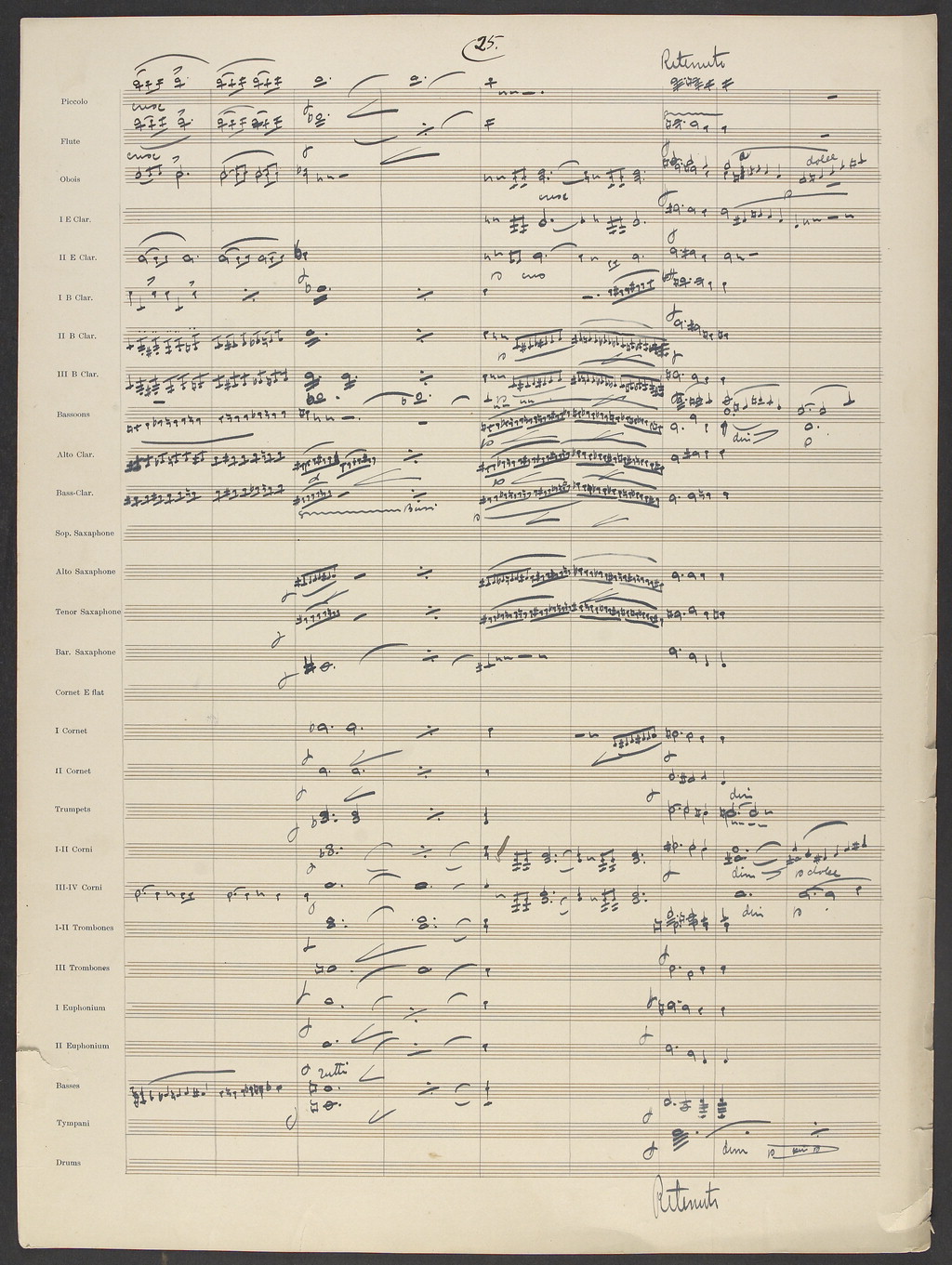
In music, an arrangement is a musical adaptation of an existing composition. Differences from the original composition may include reharmonization, melodic paraphrasing, orchestration, or formal development. Arranging differs from orchestration in th...
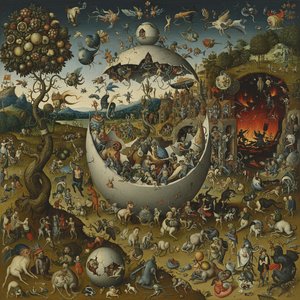
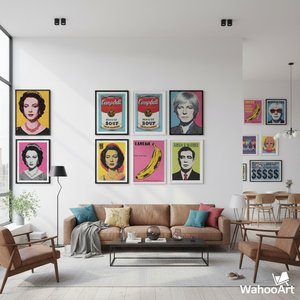
The single, monolithic artwork has long held sway as the focal point of interior design. Yet, a subtle but significant shift is occurring – a growing appreciation for the power of multi-panel compositions. This isn’t merely about filling larger wall spaces; it's a return to ancient storytelling traditions, a deliberate orchestration of visual elements designed to unfold a narrative, evoke specific emotions, and create an immersive experience. From diptychs and triptychs to more expansive polyptychs, the arrangement of multiple canvases allows for a dynamic interplay of form, color, and subject matter that transcends the limitations of a single frame. This approach resonates deeply with contemporary sensibilities, particularly within the hospitality sector where crafting memorable atmospheres is paramount.
Deconstructing Spatial Composition: Principles of Visual Balance
At its core, successful multi-panel art hinges on spatial composition – the deliberate arrangement of elements to achieve visual harmony and guide the viewer’s eye. This isn't simply about symmetry or repetition; it’s a nuanced dance between positive and negative space, color relationships, and the implied lines that connect disparate panels. Consider the inherent challenge: each panel exists as an individual entity, yet must simultaneously contribute to a cohesive whole. A skilled artist understands how to create visual ‘weight,’ using darker tones, more complex details, or larger forms to anchor certain areas while employing lighter elements to provide balance and movement. The concept of Gestalt principles – proximity, similarity, closure, continuity, and common fate – becomes particularly relevant here. Our brains naturally seek patterns and connections; a well-executed multi-panel work leverages this tendency, drawing the viewer into a unified visual experience. The subtle variations in texture or brushstroke across panels can also create a sense of depth and rhythm, preventing the arrangement from feeling static or fragmented.
Historical Precedents: From Renaissance Altarpieces to Modern Polyptychs
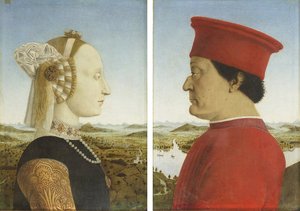 Piero della Francesca
Explore Piero della Francesca's Renaissance masterpieces (1415-1492). Known for geometric precision, perspective & serene humanism in works like 'The Resurrection'. #RenaissanceArt
The roots of multi-panel art stretch back centuries. The grand altarpieces of the Renaissance, such as those by Piero della Francesca, weren’t conceived as isolated images but as complex narratives unfolding across multiple hinged panels. These works served not only a religious function but also a didactic one, visually educating viewers through carefully sequenced scenes. The use of gold leaf and intricate detailing further emphasized their importance and grandeur. Moving forward, the tradition continued with artists like Giotto di Bondone, whose frescoes often employed fragmented compositions to depict complex stories. Even in more secular contexts, consider the early polyptychs – arrangements designed to be viewed as a unified whole despite being composed of distinct elements. In the 20th century, artists began experimenting with abstraction and fragmentation, pushing the boundaries of multi-panel art. Pablo Picasso’s “Standing Woman,” while not strictly a traditional polyptych, exemplifies this exploration of fractured form and perspective. Paul Klee's "The Rumors" demonstrates how seemingly disparate elements can coalesce into a powerful emotional statement when arranged thoughtfully.
Creating a Unified Visual Language Across Multiple Canvases
 The Eloquence of Arrangement: Exploring Compositional Strategies in Western Art
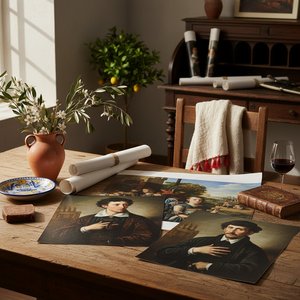
Explore the evolution of compositional strategies in Western art from the Renaissance to Modernism. Discover how masters like Raphael & Zurbaran used perspective, proportion, and dynamic arrangement to create timeless masterpieces. Enhance your art a...
Achieving visual cohesion across multiple panels requires more than just a shared subject matter; it demands a unified visual language. This encompasses everything from color palette and brushstroke to composition and texture. A common mistake is treating each panel as an independent artwork, resulting in a disjointed and fragmented aesthetic. Instead, consider the overall flow – how the eye moves from one panel to the next. Subtle gradations of color can create a sense of continuity, while repeating motifs or compositional elements provide visual anchors. The use of negative space is also crucial; strategically placed voids can allow individual panels to breathe while simultaneously reinforcing the connection between them. Furthermore, exploring variations on a theme – perhaps different perspectives of the same subject or contrasting emotional states – can add depth and complexity without sacrificing unity. The key is intentionality: every element should contribute to the overall narrative and aesthetic vision.
Psychological Impact: How Arrangement Influences Perception and Emotion
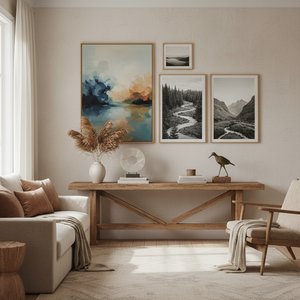 The Curated Interior: Emotional Resonance & Spatial Harmony Through Art Display
Discover how art transforms interiors into emotionally resonant spaces. Expert guidance on curation, bespoke commissions & the psychology of design for luxury homes. Elevate your space with Most-Famous-Paintings.
The arrangement of artwork profoundly impacts how viewers perceive and experience a space. Multi-panel compositions, in particular, can evoke a stronger emotional response than single works due to their inherent complexity and dynamic nature. The unfolding narrative encourages prolonged engagement, allowing the viewer to become immersed in the artwork’s world. Consider the psychological effect of scale: larger arrangements command attention and create a sense of grandeur, while smaller, more intimate compositions foster a feeling of closeness and contemplation. The placement of panels also plays a crucial role; arranging them symmetrically can convey stability and order, whereas asymmetrical arrangements evoke a sense of dynamism and energy. The principles of visual storytelling are at play here: the arrangement acts as a guide, leading the viewer’s eye through a carefully curated sequence of images and emotions. This is particularly important in hotel design, where creating specific atmospheres – from calming serenity to vibrant excitement – is essential.
Practical Considerations for Hotel Design: Scale, Placement & Flow
When incorporating multi-panel art into hotel spaces, several practical considerations come into play. Scale is paramount; the arrangement should be proportionate to the surrounding architecture and furniture. Avoid overwhelming smaller rooms with excessively large compositions or dwarfing larger spaces with diminutive works. Placement is equally important: consider sightlines, lighting conditions, and the overall flow of traffic. Artwork placed in hallways should encourage movement and exploration, while pieces in lobbies or reception areas should create a welcoming and sophisticated atmosphere. The subject matter should also align with the hotel’s brand identity and target audience. A boutique hotel might opt for abstract compositions that evoke a sense of luxury and exclusivity, whereas a family-friendly resort could choose more playful and whimsical arrangements. Finally, remember the power of bespoke commissions. Most-Famous-Paintings.com offers the ability to create custom multi-panel artworks tailored to your specific dimensions, color palettes, and aesthetic vision, ensuring a truly unique and impactful design solution. By carefully considering these factors, you can transform hotel spaces into immersive environments that resonate with guests on an emotional level.