The Canvas as a Chronicle: Art as the Silent Witness to Eras
To gaze upon a masterpiece is to step through a portal, transcending the boundaries of the present moment to touch the very pulse of antiquity. Every canvas serves as a silent witness, an enduring parchment upon which the triumphs, tragedies, and daily rhythms of forgotten civilizations are etched with profound permanence. While written records may fade or be lost to the ravages of time, the visual language of art remains an unyielding chronicle. A single landscape can whisper the secrets of a vanished ecosystem, while a grand historical scene captures the tension of a revolution long since concluded. These works do not merely depict events; they embody the atmosphere of their era, preserving the weight of the air and the light of a sun that set centuries ago.
The power of this visual testimony lies in its ability to bypass the intellect and speak directly to the human soul. When we observe the meticulous details of a Renaissance portrait or the sweeping drama of a Baroque battle scene, we are not just observing art; we are engaging in a dialogue with history itself. The artist, acting as an unintentional historian, captures the nuances of social hierarchy, the evolution of fashion, and the shifting tides of political power. Through these strokes of genius, the past is rendered tangible, allowing us to witness the unfolding of human progress through a lens that is both deeply personal and universally significant.
Pigments of the Past: How Materiality Captures Cultural Identity
The history of art is as much a story of chemistry and geology as it is one of emotion and vision. The very substances used by masters—the crushed lapis lazuli for ultramarine, the earthy ochres, and the precious minerals—carry within them the geography and trade routes of their time. To understand the materiality of a painting is to understand the global connections of the era in which it was birtural. The presence of certain pigments can reveal the reach of ancient silk roads or the maritime dominance of colonial empires, as colors traveled across oceans to reach the palettes of masters.
Beyond the origin of the minerals, the technique of application offers a tactile connection to cultural identity. Consider the delicate, rhythmic calligraphy found in Japanese traditions, where the flow of ink captures a serene, meditative essence, or the thick, textured impasto that allows light to dance across a surface, creating a sense of physical presence and vitality. The way an artist manipulates medium—whether through the translucent glazes of the Old Masters or the vibrant, bold layers of contemporary pop art—reflects the technological capabilities and the aesthetic values of their society. In this way, the physical composition of the artwork becomes a vessel for cultural memory, preserving the sensory experience of a specific human epoch.
From Portraits to Landscapes: Preserving the Human Spirit and Environment
Art serves as the ultimate repository for the essence of life, oscillating between the intimate study of the individual and the expansive observation of the natural world. Portraiture, perhaps the most intimate of all genres, functions as a psychological archive. In the gaze of a subject, we find the reflection of human resilience, vulnerability, and dignity. A portrait does more than record a likeness; it captures a spirit, preserving the identity of individuals who might otherwise have been erased by the passage of time. These faces become our ancestors, staring back at us from across the centuries to remind us of our shared humanity.
Conversely, landscape painting offers a profound meditation on our relationship with the Earth. These works act as ecological archives, documenting the pristine beauty of landscapes before the industrial revolution or the encroaching shadows of urbanization. Through the eyes of the landscape artist, we witness the shifting boundaries of the wild and the cultivated. Whether it is the raw, monochrome textures of a photographic study in Mexico or the light-drenched vistas of an Impressionist garden, these depictions preserve the environmental heritage of our planet. Together, portraiture and landscape create a dual narrative: one of the internal human journey and one of the external, physical world that sustains us.
The Evolution of Vision: Tracing Historical Shifts Through Artistic Style
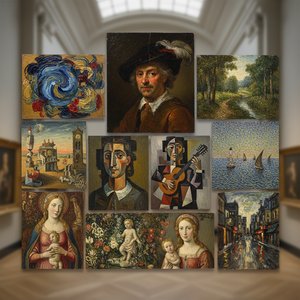
As human thought evolves, so too does the way we perceive reality through art. The transition from the rigid, symbolic forms of early religious iconography to the breathtaking realism of the Renaissance marks a fundamental shift in human consciousness—a movement toward observation, science, and the celebration of the individual. Each stylistic revolution, from the dramatic chiaroscuro of the Baroque period to the fragmented perspectives of Cubism, represents a response to the changing intellectual landscape of the world. These shifts are not merely aesthetic; they are reflections of new philosophies, scientific discoveries, and social upheavals.
Tracing these stylistic lineages allows us to see how humanity has redefined its concept of truth. The emergence of Impressionism, with its focus on the fleeting effects of light, mirrored a world becoming increasingly fast-paced and transient. Later, the bold, identity-driven statements of contemporary movements, such as those inspired by the legacy of Barkley Hendricks, demonstrate how art continues to grapple with modern complexities of race, resilience, and selfhood. By studying the evolution of style, we are essentially studying the evolution of human perception itself, watching as the brushstrokes of history adapt to capture new dimensions of truth.
Legacy in Every Stroke: The Enduring Power of Masterpieces in Modern Memory
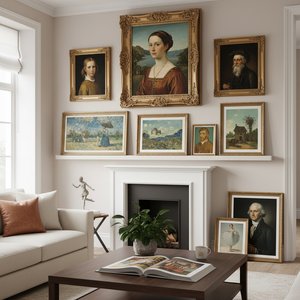
In our contemporary, digital age, the enduring power of a physical masterpiece remains unparalleled. While we are surrounded by ephemeral images that vanish with a swipe, a hand-painted work on canvas possesses a weight and a permanence that demands attention. The visible brushstroke, the subtle texture of the paint, and the depth of the tonal range provide a sensory experience that no digital screen can replicate. This tactile reality is what allows art to bridge the gap between the ancient and the modern, making history feel not like a distant memory, but a living, breathing presence in our contemporary spaces.
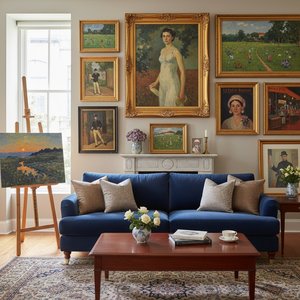
The preservation of these works—and the continued creation of high-quality reproductions—ensures that the dialogue with the past remains unbroken. When we bring the essence of a masterpiece into our homes or galleries, we are participating in the ongoing act of historical preservation. We allow the light of the Old Masters to illuminate our modern lives and the courage of contemporary icons to inspire our future. Ultimately, art is the thread that weaves the tapestry of human history together, ensuring that every era, no matter how distant, remains an indelible part of our collective soul. Through the dedicated work of platforms like Most-Famous-Paintings.com, this legacy is not only protected but made accessible to a global audience, allowing the brushes of time to continue painting our shared destiny.