

The Curated Lobby: Setting a Global Tone Through Artistry
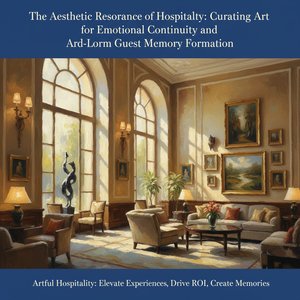
In the realm of luxury hospitality, the lobby serves as more than a mere point of entry; it is a silent narrator, an atmospheric prelude to the guest's entire journey. For the discerning hotel designer, the challenge lies in transcending the ephemeral trends of seasonal decor to establish a sense of permanence and prestige. This is achieved through the strategic curation of art that speaks a universal language of elegance. When a guest steps into a space adorned with masterfully executed works, they are immediately enveloped in an aura of cultural depth. The presence of fine art acts as an anchor, grounding the modern architectural elements of a hotel within a broader historical context, thereby transforming a transient transit zone into a destination of profound aesthetic significance.
The true power of a curated lobby lies in its ability to evoke emotion before a single word is exchanged. A carefully selected piece—perhaps a textured oil reproduction that captures the light of a bygone era—can dictate the rhythm of the room, inviting quiet contemplation or sparking vibrant conversation. By treating the lobby as a gallery of prestige, designers can manipulate the perception of luxury, moving beyond mere opulence toward a more sophisticated, intellectual form of hospitality that resonates with the global traveler's desire for authenticity and discovery.
Cross-Cultural Narratives: Integrating International Masterpieces into Modern Hospitality
The modern international traveler is a citizen of the world, possessing an innate curiosity for the diverse heritages that shape our collective human experience. To cater to this demographic, hotel interiors must move beyond localized aesthetics and embrace a cross-cultural dialogue. Integrating masterpieces from various epochs and geographies—such as the intricate Art Nouveau woodcuts of Heorhiy Narbut or the vibrant, folk-inspired watercolor studies of Natalia Goncharova—allows a property to weave a complex tapestry of global narratives. Such an approach prevents the design from feeling monolithic, instead offering a layered experience where Ukrainian script, Hungarian applied arts, and French Impressionism can coexist in a harmonious, cosmopolitan symphony.
This integration requires a delicate hand to ensure that the juxtaposition of different cultural symbols feels intentional rather than eclectic. When a designer successfully blends the bold, graphic contrasts found in Ferenc Helbing’s period designs with the soft, light-drenched textures of a Monet-inspired landscape, they create a space that feels both worldly and curated. This method of storytelling through art allows a hotel to act as a cultural bridge, celebrating the beauty of international heritage while maintaining a cohesive, high-end brand identity that appeals to the sophisticated sensibilities of an elite global clientele.
Beyond the Frame: Selecting Textures and Mediums for High-Traffic Luxury Spaces
In high-traffic luxury environments, the tactile quality of art is just as critical as its visual impact. A flat, lifeless print can often fail to hold the attention of a guest or withstand the scrutiny of a well-lit, grand hall. To achieve true distinction, designers must look toward mediums that offer physical depth and presence. The choice between a Giclée print and a handmade oil reproduction is a decision of fundamental importance to the room's soul. While Giclée prints provide incredible precision and durability through 12-color pigment-based inks, they lack the three-dimensional vitality of an oil painting. A true masterpiece, characterized by visible, tactile brushstrokes and the impasto technique, introduces a living quality to the wall, where light plays across layers of heavy-duty cotton canvas and premium pigments.
Furthermore, the technical longevity of these mediums must be considered alongside their aesthetic value. For spaces subject to varying light conditions, the use of high lightfastness pigments and protective finishes like Damar varnish ensures that the artwork remains vibrant for generations. Designers may also explore textured prints, where a clear acrylic gel is applied by hand to mimic the relief of an original painting, providing a middle ground of sensory engagement. By prioritizing works that possess texture and weight, the designer ensures that the art does not merely sit upon the wall but actively interacts with the architectural environment, creating a multisensory experience that defines the very essence of luxury.
Architectural Synergy: Utilizing Large-Scale Murals and Multi-Panel Installations
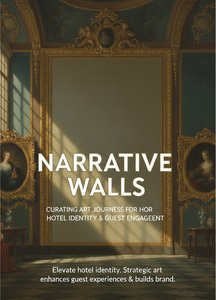
Large-scale architectural elements demand an equally ambitious approach to art selection. In grand suites or expansive corridors, standard-sized frames can often appear lost against the vastness of the structure. This necessitates the use of monumental interventions, such as large-format murals and ceiling frescoes, which can transform a plain surface into a breathtaking historical vista. Imagine the impact of a hand-painted mural that recreates the celestial grandeur of a Renaissance ceiling, or a massive canvas roll that brings the sweeping landscapes of the Old Masters into a contemporary hotel setting. These works, much like high-end wallpaper, allow for a seamless integration of art and architecture, turning the building itself into a canvas.
For more modern, rhythmic spaces such as staircases or wide, minimalist halls, the multi-panel trend offers a sophisticated solution. By splitting a single, cohesive image across three, four, or even five panels, a designer can create a sense of movement and continuity that guides the eye through the space. This technique allows for a controlled expansion of art, where the brushstrokes and color palettes flow seamlessly from one panel to the absence of the next, creating a contemporary, fragmented elegance. Such installations break the monotony of large walls while providing a focal point that is both structurally integrated and visually arresting.
The Designer’s Strategy: Customizing Art to Match Brand Identity and Color Palettes
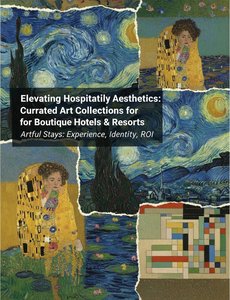
The pinnacle of bespoke hospitality design is the ability to tailor art to a specific brand identity. Every luxury hotel possesses a unique DNA, expressed through its color palette, furniture textures, and overall mood. A designer's most powerful tool in this endeavor is the ability to "remix" art history to suit these requirements. Through advanced digital mockup services, a professional can visualize how a historical masterpiece might be adapted—perhaps by shifting the color temperature to match a room’s velvet upholstery or by requesting a specific stylistic transformation. The possibility of having a modern photograph reimagined in the impasto style of Van Gogh or the light-drenched atmosphere of Monet allows for an unprecedented level of customization.
This strategic customization extends to the very composition of the art. A designer can commission group portraits that combine elements from different images or request "period shifts," where contemporary subjects are rendered in the 17th-century style of Rembrandt. This level of control ensures that every piece of art serves a functional purpose within the design scheme, reinforcing the hotel's color story and brand narrative. When the artwork is perfectly synchronized with the interior architecture, the result is a cohesive, immersive environment where nothing feels accidental, and every detail contributes to an atmosphere of curated excellence.
Sourcing Excellence: Navigating Global Logistics and Bespoke Commissions
Executing a large-scale art program for an international hotel requires more than just aesthetic vision; it demands rigorous logistical expertise. For the professional designer, the complexity of sourcing, shipping, and customs can be daunting. The ideal partnership involves a provider that understands the nuances of global trade, offering seamless delivery via trusted carriers like DHL Express or FedEx to over 70 countries. This includes the management of all commercial invoices and the mitigation of VAT or customs duties, ensuring that the creative process is never interrupted by administrative burdens. Furthermore, the transparency of the production process—allowing designers to track progress from initial sketching through to the final drying stage via a digital dashboard—is essential for maintaining project timelines.
Ultimately, the success of an art commission lies in the quality of the craftsmanship and the reliability of the supply chain. Working with artists who hold degrees from prestigious Fine Arts academies ensures that the finished product meets museum-grade standards of excellence. From the careful application of flexible gesso to prevent cracking, to the use of specialized oils that prevent yellowing, the technical integrity of the work is paramount. By partnering with a service that offers everything from custom framing in solid wood to the complex engineering of extended wraps, designers can confidently source breathtaking, bespoke collections that elevate their international projects to the heights of true architectural art.
Most-Famous-Paintings.com stands at the forefront of this artistic revolution, providing a global platform where the heritage of the Old Masters meets the needs of modern luxury designers. With a library of over 465,000 paintings and a commitment to hand-painted excellence, Most-Famous-Paintings offers unparalleled services in custom oil reproductions, large-scale murals, and professional art consultation, ensuring that every hospitality project is adorned with works of enduring beauty and prestige.