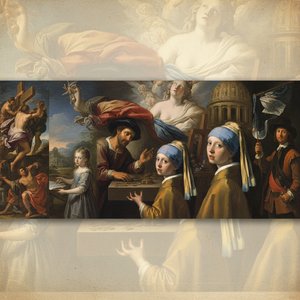
Antonio Viladomat y Manalt (1678–1755): A Baroque Visionary
Antoni Viladomat i Manalt, born in Barcelona in 1678, stands as a pivotal figure within the Catalan Baroque artistic landscape. His life’s work—primarily focused on religious iconography—offers a compelling glimpse into the spiritual fervor and aesthetic sensibilities of his era. While biographical details remain somewhat sparse compared to contemporaries like Ribera or Zurbarán, Viladomat's enduring legacy resides in his masterful depictions of saints and biblical narratives, imbued with dramatic lighting and profound symbolism.
- Early Life & Training: Viladomat’s artistic journey commenced under the tutelage of Pasqual Bailon Savall, a celebrated gilder whose workshop served as an incubator for burgeoning talent. This formative influence instilled in him a foundational understanding of technique and craftsmanship—skills honed further during his apprenticeship with Joan Baptista Perramon, shaping his distinctive style.
- Influence of Italian Art: Recognizing the transformative power of artistic exchange, Viladomat traveled to Italy, immersing himself in the vibrant currents of Venetian Baroque. This exposure profoundly impacted his compositional choices and palette, fostering a preoccupation with chiaroscuro—the interplay between light and shadow—a hallmark of Venetian painting.
- Notable Commissions & Artistic Output: Viladomat’s prolific career yielded an impressive catalog of commissions, predominantly serving ecclesiastical institutions throughout Barcelona. Among his most celebrated achievements are the monumental cycle portraying Saint Francis of Assisi for the old Franciscan monastery, now housed in the Museu Nacional d'Art de Catalunya—a testament to his ability to convey spiritual emotion with breathtaking visual precision.
- The Stations of the Cross & The Virgin Mary: Viladomat’s artistic output extended beyond Saint Francis; he undertook ambitious projects depicting the Stations of the Cross and the Virgin Mary for the Basilica of Santa Maria de Mataró. These paintings exemplify his meticulous attention to detail and masterful execution, cementing his reputation as one of Catalonia's foremost Baroque artists.
- Legacy & Historiographical Debate: Recent scholarship has questioned the attribution of certain works previously attributed to Viladomat—a debate that underscores the complexities inherent in art historical research. Nevertheless, Viladomat’s enduring influence persists, securing his place as a cornerstone of Catalan Baroque art and a symbol of artistic excellence within his time.
His son, Josep Viladomat i Esmandia, continued his father's artistic tradition, producing equally impressive paintings that mirrored Viladomat’s stylistic sensibilities. Together, they solidified the Viladomat family’s contribution to Catalan Baroque art history.