Jacopo da Sellaio: Life and Legacy
Early Life and Training
Jacopo di Arcangelo del Sellaio (born Florence, 1442 – died 1493) was an Italian Renaissance painter active primarily in Florence. Details regarding his early life and formal training remain somewhat scarce, but he is documented to have shared a studio with Filippo di Giuliano by 1473. This collaboration suggests a period of apprenticeship or close artistic exchange during his formative years.
Cassoni Panels and Early Works
Sellaio quickly established himself as a skilled craftsman, particularly renowned for his decorative paintings on *cassoni* – elaborately decorated chests used for storing valuable possessions, often associated with weddings. A significant example is his “Story of Cupid and Psyche,” commissioned for a 15th-century Florentine marriage. This work beautifully illustrates the ancient Roman tale of love between the mortal princess Psyche and the god Cupid.
- The Nerli Cassone: In 1472, Sellaio collaborated with Zanobi di Domenico and Biagio d'Antonio on the “Nerli Cassone,” demonstrating his ability to work effectively within a team of artists.
- Banquet of Ahasuerus: His panel depicting "The Banquet of Ahasuerus," now housed in the Uffizi Gallery, was part of a larger series created with other panels by different artists – including “Esther before Ahasuerus” (Museum of Fine Arts, Budapest) – originally intended for a *cassone*.
Devotional Works and Religious Commissions
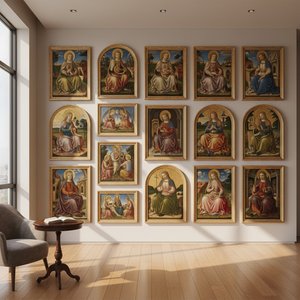
Beyond *cassoni*, Sellaio produced numerous small devotional pieces, frequently depicting Saint Jerome and Saint John the Baptist. These works showcase his skill in portraying religious figures with sensitivity and detail. He also received commissions for larger-scale religious paintings for Florentine churches.
- San Lucia dei Magnoli: Sellaio contributed artwork to the church of San Lucia dei Magnoli in Florence.
- San Frediano: He also created works for the church of San Frediano, further establishing his reputation within the Florentine art scene.
Artistic Influences and Style
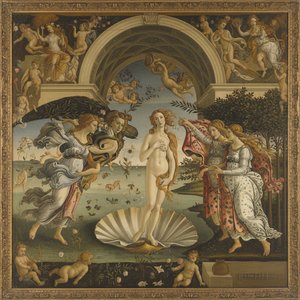
Sellaio’s artistic style reveals a clear influence from earlier masters such as Botticelli and Lippi. He adopted their graceful lines, delicate coloring, and emphasis on narrative detail. However, Sellaio developed his own distinct approach, characterized by a refined elegance and a meticulous attention to decorative elements.
Major Achievements and Historical Significance
Jacopo da Sellaio’s primary contribution lies in his exquisite *cassoni* panels, which provide valuable insights into the tastes and customs of 15th-century Florentine society. His devotional works demonstrate a deep understanding of religious iconography and a talent for creating intimate and emotionally resonant images. While not as widely celebrated as some of his contemporaries, Sellaio played an important role in the flourishing artistic environment of Renaissance Florence.
His work continues to be studied and appreciated for its beauty, craftsmanship, and historical significance, offering a glimpse into the lives and beliefs of those who commissioned and enjoyed these artworks centuries ago.