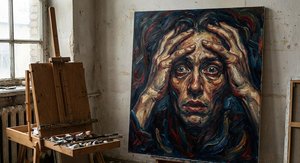
Arlindo Augusto Pires Vicente: A Multifaceted Life of Law, Activism, and Art
- Born: March 5, 1906, Troviscal Sameiro, Portugal
- Died: November 24, 1977, Lisbon, Portugal
Arlindo Augusto Pires Vicente (often known as Arlindo Vicente) was a remarkable figure in Portuguese history, embodying the roles of lawyer, anti-fascist activist, and self-taught painter. Born in Troviscal, Oliveira do Bairro, he lived through a period of significant political upheaval in Portugal under the Estado Novo regime. His life reflects a dedication to both legal justice and artistic expression, often intertwined with his political convictions.
Early Life and Education
Vicente’s early life was shaped by a strong sense of social responsibility. He pursued law studies at the Universities of Coimbra and Lisbon, graduating in 1932. While formally trained as a lawyer, his artistic inclinations were evident from an early age. He demonstrated a keen interest in art, participating in student exhibitions like the 1st Salon of Art of Students of the University of Coimbra in 1927. This early engagement signaled a commitment to modern artistic trends.
Artistic Development and Style
- Self-Taught Artist: Vicente was primarily a self-taught painter, developing his skills through dedicated practice and passion rather than formal training.
- Unique Style: His artwork is characterized by a unique blend of traditional and modern elements, reflecting his multifaceted personality and experiences.
- Influences: While largely self-directed, Vicente’s style was influenced by broader movements like Modernism and Expressionism. His work often explored themes of the human figure and social commentary.
- Medium: He primarily worked with oil on canvas, creating a body of work that showcases his evolving artistic vision.
The Centro de Arte Moderna Gulbenkian in Lisbon has exhibited some of Vicente’s notable works, providing valuable insight into his artistic development and contribution to Portuguese modern art.
Political Activism and the Estado Novo Regime
- Anti-Fascist Stance: Vicente was a vocal opponent of the Estado Novo regime, Portugal's authoritarian government that ruled from 1933 to 1974.
- Activist Involvement: He actively participated in anti-fascist movements, using his legal skills and artistic expression as tools for resistance. His political beliefs deeply informed his worldview and likely influenced the themes explored in his artwork.
His opposition to the regime placed him in a precarious position within Portuguese society, highlighting the risks he took in pursuing both his legal career and his artistic endeavors.
Legacy and Recognition
- Collections: Vicente’s works are included in prestigious collections such as the Museu Governo da Arte Collection in London. This collection also features works by renowned artists like John Hoyland, Andy Warhol, Sam Francis, Morris Louis, and Harold Riley, placing Vicente within a broader context of international art.
- Royal Holloway College: A collection of his artworks is held at Royal Holloway College in the UK, demonstrating recognition beyond Portugal.
- Enduring Impact: Arlindo Augusto Pires Vicente’s legacy extends beyond his artistic output; he remains a symbol of resistance against authoritarianism and a testament to the power of art as a form of social commentary. His life exemplifies the intersection of law, activism, and creative expression in 20th-century Portugal.
Most-Famous-Paintings.com provides a platform for exploring his artwork and learning more about his remarkable life and career.