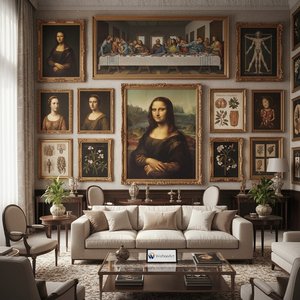
A Sanctuary of Milanese Memory
Within the hallowed, sun-drenched cloisters of the Monastero Maggiore, time does not merely pass; it accumulates. The Archivio Civico in Milan serves as a profound vessel for the city’s enduring spirit, offering much more than a mere collection of artifacts. It is a living narrative, where the architectural grandeur of the monastery itself—with its intricate carvings and luminous stained glass—acts as a silent witness to the layers of history unfolding within its walls. For the discerning visitor, the museum presents an immersive journey through the multifaceted tapestry of Milanese culture, blending the tangible weight of stone and metal with the ethereal beauty of ancient manuscripts.
Echoes of Ancient Grandeur
The descent into the past begins with the resonant echoes of Mediolanum, the Roman capital that once commanded Northern Italy. Here, the museum unveils a breathtaking assemblage of archaeological treasures that breathe life into the imperial era. Visitors encounter fragments of daily existence alongside monumental sculptures and architectural remnants that speak to the profound influence of Roman civilization on the very identity of Milan. This ancient lineage is further enriched by a dedicated exploration of Etruscan visions, where the sophisticated metalwork and delicate terracotta sculptures reveal the artistic sensibilities that preceded Roman dominance. These artifacts do not merely sit in display; they offer a window into the funerary rituals and cultural interconnectedness of an era long since passed, providing a foundational aesthetic for all that followed.
The Renaissance Mind and the Written Word
As one moves through the archives, the focus shifts from the monumental to the intimate, transitioning into the intellectual brilliance of the Renaissance. The Archivio Civico holds a singular privilege: the presence of Leonardo da Vinci’s profound manuscripts. Within the Codex Trivulzianus 2162, the frantic yet precise sketches and scientific notes of Da Vinci’s mind invite a deep contemplation on the intersection of art and inquiry. This era of enlightenment is further anchored by the literary majesty of Dante Alighieri; the museum preserves precious manuscripts such as the Codex Trivulzianus 1080, which carries the weight of 14th-century poetic genius. For collectors and scholars, these documents represent the pinnacle of human thought, where the ink on the page serves as a bridge between the medieval soul and the modern intellect.
A Holistic Vision for the Modern Connoisseur
What truly distinguishes the Archivio Civico is its refusal to compartmentalize history. It rejects the sterile separation of archaeology, art, and literature, opting instead for a holistic perspective that integrates material culture with written records. This seamless dialogue between disciplines creates an atmosphere of profound discovery, making it an essential destination for those who seek to understand the aesthetic DNA of Milan. Whether one is drawn by the architectural majesty of the Monastero Maggiore or the delicate precision of a Renaissance sketch, the museum offers a complete sensory experience—a testament to a city that has always known how to weave its past into the very fabric of its future.