

A Sanctuary of Art Within Ancient Walls
Nestled within the charming French landscape, the Musée de la Chartreuse in Douai offers far more than a mere gallery experience; it provides an immersive journey through centuries of human creativity and spiritual devotion. Housed within the remarkably preserved walls of a former Carthusian monastery, the museum serves as a space where art breathes alongside the silent echoes of monastic life. The very stones of the structure seem to whisper tales of contemplation, creating a uniquely tranquil atmosphere that is perfectly suited for the deep appreciation of masterpieces. To walk through its halls is to step into a sanctuary where the boundary between historical architecture and artistic expression dissolves, offering visitors a rare sense of peace and profound connection to the past.
The architectural grandeur of the site tells a story of transformation and resilience. The history of the Chartreuse began in the 17th century as a place dedicated to solitude and spiritual pursuit, with construction initiated by Jacques d’Abancourt in 1559. As the monastery expanded under Jean de Montmorency, it developed its distinctive silhouette of round and square towers, blending Renaissance and classical styles through a harmonious use of brick and stone. Despite enduring periods of significant upheaval, including damage during the Second World War, the building was thoughtfully repurposed in 1958 as a museum. Today, exploring the hôtel d’Abancourt-Montmorency—a marvel of Flemish Renaissance style—and wandering through the beautifully restored church with its impressive nave and side chapels allows one to witness the enduring spirit of monastic devotion and artistic patronage.
A Tapestry of Masterpieces and Modern Visions
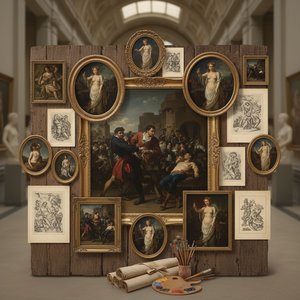
The collection held within these sacred walls is as diverse as it is breathtaking, offering a curated dialogue between different eras and techniques. For lovers of the Dutch Golden Age, the museum provides an intimate glimpse into the vibrant realism and masterful light of 17th-century painters. This historical depth is beautifully juxtaposed with the delicate brushwork of Impressionist legends like Renoir, whose captivating portrayals of everyday life bring a touch of Parisian elegance to the monastic setting. The museum’s holdings also extend into the realm of contemporary art, where modern works challenge conventional perspectives and reflect the evolving trends of our current age. This seamless blend of the old and the new ensures that the collection remains a living, breathing entity.
Beyond the paintings, the museum is enriched by an array of sculptures and religious artifacts that provide essential context to the monastery's spiritual history. Collectors and art enthusiasts will find particular delight in notable works such as Paul Veronese’s Venetian Woman, alongside significant pieces by Carracci, Jehan Bellegambe, and Henri-Edmond Cross. One cannot overlook the profound presence of the Anchin Polyptych by Jan van Scorel, a work that stands as a testament to the museum's ability to safeguard cultural legacies. To further enrich the visitor experience, the Musée de la Chartreuse regularly hosts temporary exhibitions that delve into specific themes or showcase emerging artists, fostering a continuous and engaging dialogue between historical traditions and the contemporary artistic pulse.