A Sanctuary of Symbolism: The Visionary World of Gustave Moreau
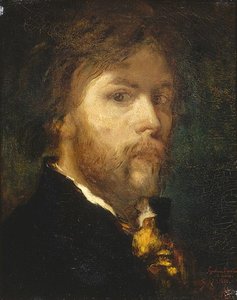
To step across the threshold of the Musée national Gustave Moreau is to leave the bustling streets of Paris behind and enter a realm where the boundaries between reality and dream dissolve. Nestled in the heart of the city, this extraordinary institution serves as more than a mere repository for art; it is a living testament to the soul of Symbolism. The museum, which occupies the artist's former home and studio, offers an intimate pilgrimage into the mind of Gustave Moreau, a master who sought to clothe the profound mysteries of human existence in layers of mythic grandeur and intricate, jewel-like detail. Here, the air seems heavy with the echoes of ancient legends and the ethereal whispers of the subconscious, inviting every visitor to embark on a journey through the spiritual depths of the human experience.
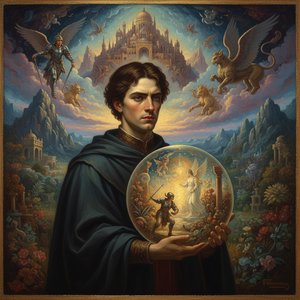
The heart of the museum beats within its vast collection, a breathtaking assembly of over 1,200 paintings, watercolors, and drawings that trace the evolution of a singular genius. Moreau’s canvases are windows into a world where classical mythology and biblical narratives are transformed into mesmerizing allegories. One cannot help but be captivated by the monumental scale of
Jupiter and Semele
, which captures divine majesty with an almost overwhelming intensity, or the unsettling, haunting beauty found in
Chimera
. The collection is further enriched by works such as
The Apparition
, where figures appear bathed in a supernatural, luminous light, and
The Return of the Argonauts
, a masterpiece of meticulous precision and heroic adventure. Beyond the finished oils, the museum holds an incredible treasury of over 4,830 drawings, offering a rare, unfiltered glimpse into Moreau’s creative process—the raw, preparatory sketches that reveal how fleeting impressions were meticulously sculpted into enduring icons of imagination.
What truly distinguishes this museum from any other in Paris is its architectural soul. Unlike the sterile, impersonal halls of many modern galleries, the Musée Gustave Moreau is an immersive environment where the architecture itself tells a story. The three-story structure, completed in 1895, was designed to reflect Moreau’s own aesthetic sensibilities, prioritizing intimacy and a profound connection between the creator and his surroundings. Visitors wander through a curated progression of life: from the ground level, which honors the Italian masters that inspired him, to the first floor, where one can explore his personal living quarters—a space still filled with the artifacts and inspirations that shaped his daily existence. The journey culminates in the expansive upper-floor studio, a soaring, light-filled cathedral of creativity where Moreau’s most ambitious visions were brought to life before the world.
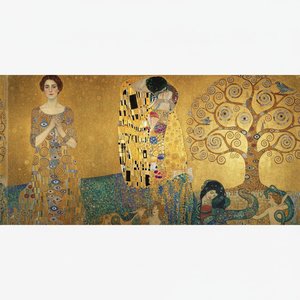
The legacy of this sanctuary extends far beyond the walls of the studio, acting as a beacon for artistic innovation that would eventually ignite the Surrealist movement. By championing Symbolist art and establishing this museum in 1903, Moreau ensured that his transformative ideas would influence generations to come, laying the groundwork for explorations into dreamlike imagery and the subconscious. Today, the museum continues to pulse with contemporary relevance through notable exhibitions that bridge the gap between historical Symbolism and the decorative elegance of Art Nouveau. For art lovers, collectors, and designers alike, a visit to the Musée national Gustave Moreau is not merely an educational endeavor; it is a profound encounter with a creative universe that remains as enchanting and enigmatic today as it was at the turn of the century.