x

 Comprar impresión Comprar imagen en alta resolución
 Enviar
 Detalles
 Añadir a favoritos
 Descargar
 Similares
 Radiografía
 Presentación de diapositivas
 Oil On CanvasWallArtRomanticism
 152.0 x 99.0 cm
 Museo de Arte Chrysler
Óleo sobre lienzo pintado a mano en el tamaño y marco de su elección, realizado por encargo por nuestros artistas.





























Elija entre nuestros tamaños predefinidos que respetan las proporciones originales de la obra.

Puede ingresar sus propias dimensiones para adaptarse a un marco o espacio específico. Si el tamaño seleccionado no coincide con las proporciones de la imagen original, recortaremos la obra o extenderemos la pintura con elementos adicionales pintados a mano. Se le enviará una maqueta digital para su aprobación antes de comenzar la producción.
Tenga en cuenta que la vista previa en pantalla no refleja el recorte o la extensión reales. Solo la maqueta mostrará con precisión la composición final.
Si bien existen tamaños personalizados, recomendamos seleccionar una dimensión de la lista predefinida para preservar las proporciones originales.
Entrega mundial () en 3-4 semanas en lugar de las 5 semanas estándar. (18 julio). Sin compromisos con la calidad.


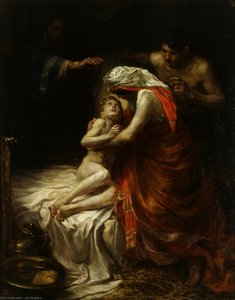
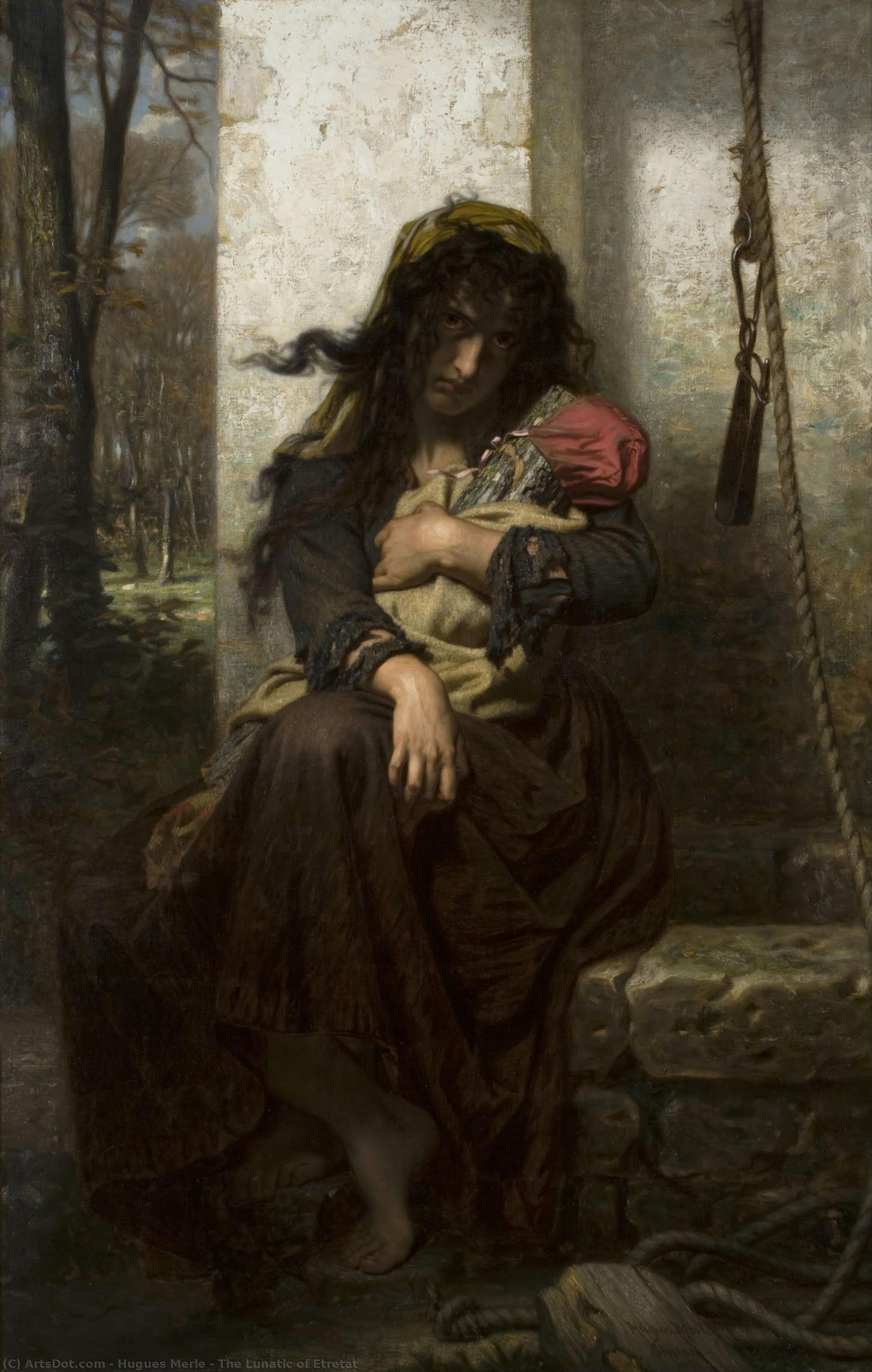
The Lunatic of Etretat
Tamaño de la reproducción
Hugues Merle’s 1871 painting, *The Lunatic of Étretat*, is not merely a portrait; it's a visceral exploration of grief, societal anxieties, and the burgeoning Romantic sensibility grappling with the realities of post-war France. The scene unfolds within a stark, almost desolate landscape – a weathered stone wall hints at a crumbling past, while a rough rope suggests both restraint and potential escape. At the heart of this tableau sits a woman whose face is a carefully constructed mask of suffering, yet beneath it lies an undeniable vulnerability. Her gaze, directed just beyond the viewer’s line, speaks volumes without uttering a word – a haunting blend of despair, longing, and perhaps even a touch of defiant sorrow.
Merle, trained under Léon Cogniet in the traditions of Academic realism, skillfully employs a technique that balances meticulous observation with an expressive emotionality. The brushstrokes are deliberate yet fluid, creating a sense of movement within the figure’s posture and the folds of her clothing. Notice how he uses light to sculpt the face – highlighting the hollows of her cheeks and emphasizing the intensity in her eyes. This isn't a cold, clinical depiction; Merle imbues the scene with warmth through subtle color choices and an almost tactile quality to his rendering of fabric and texture.
The painting’s historical context is crucial to understanding its deeper resonance. Completed in 1871, just a year after France's humiliating defeat in the Franco-Prussian War, *The Lunatic of Étretat* can be interpreted as a reflection of the nation’s collective trauma. Merle himself was deeply affected by this period of upheaval, and many art historians believe that the woman’s anguish mirrors the broader sense of loss and disillusionment felt throughout France. The log she cradles – not a sleeping infant, but a piece of wood – has been widely interpreted as a potent symbol: perhaps representing lost territory, shattered dreams, or even the remnants of a broken family. It's a tangible reminder of what was irrevocably lost.
Furthermore, the inclusion of the “sanpaku” eyes—the unsettlingly wide-open sockets – adds another layer of complexity. This traditional Japanese aesthetic, often associated with misfortune and imbalance, suggests a deeper psychological disturbance beyond simple grief. Merle’s use of this element elevates the painting from a straightforward portrait to a study in emotional instability and potential madness, aligning it with the Romantic fascination with the darker aspects of human experience.
While interpretations abound, *The Lunatic of Étretat* resists easy categorization. Is she truly mad, consumed by delusion? Or is she a carefully constructed representation of female hysteria – a common diagnosis at the time that often pathologized women’s emotional responses? The painting deliberately avoids offering definitive answers, instead inviting viewers to contemplate the complexities of grief and the societal pressures placed upon women in 19th-century France. Her posture suggests both vulnerability and a fierce determination to endure, hinting at a resilience born from profound suffering.
The overall effect is profoundly moving. Merle doesn’t simply depict sadness; he captures its essence – the weight of unspoken sorrow, the yearning for something lost, and the quiet dignity with which one confronts unimaginable pain. *The Lunatic of Étretat* remains a powerful testament to the enduring capacity of art to explore the darkest corners of the human heart and to reflect the anxieties of an era.

Hugues Merle nació en 1823 en Saint Martin (parte francesa), Francia, y falleció en París en 1881. Surgió como una figura significativa dentro de la tradición pictórica académica francesa del siglo XIX. Su viaje artístico comenzó con estudios bajo Léon Cogniet, un respetado pintor conocido por sus escenas históricas y de género. Esta formación fundamental inculcó en Merle una dedicación a la traza precisa y al relato narrativo.
El estilo artístico de Merle se caracteriza por su enfoque en temas sentimentales y morales. Representó hábilmente escenas de vida doméstica, a menudo retratando mujeres y niños involucrados en actividades que evocaban sentimientos de ternura, piedad o virtud. Su obra demuestra un dominio sólido del realismo, con una atención meticulosa al detalle en la representación de figuras y texturas. Esta dedicación a la representación realista condujo a frecuentes comparaciones con William-Adolphe Bouguereau, otro pintor académico líder de la época.
Merle expuso por primera vez en el prestigioso Salón (París) en 1847, marcando su entrada en el competitivo mundo del arte francés. Continuó exhibiendo regularmente a lo largo de su carrera, ganando reconocimiento por su hábil técnica y composiciones emocionalmente resonantes. Su talento fue reconocido con premios de segunda clase en 1861 y 1863. En 1866, recibió un mayor honor cuando fue nombrado Chevalier de la Legión de Honor – un testimonio de su creciente reputación.
Un momento decisivo en la carrera de Merle llegó a través de su amistad con el marchante de arte Paul Durand-Ruel. A partir de alrededor de 1862, Durand-Ruel comenzó a adquirir pinturas de Merle y desempeñó un papel crucial para introducirlo a Bouguereau. Esta conexión consolidó la posición de Merle dentro de los círculos artísticos de París y contribuyó a su creciente éxito. Incluso Durand-Ruel encargó varios retratos de sí mismo, su esposa y su hijo a Merle durante la década de 1860.
Las pinturas de Merle a menudo exploran temas de vida familiar, devoción religiosa y virtud moral. Algunas de sus obras notables incluyen:
La obra de Hugues Merle refleja los gustos artísticos predominantes de su tiempo, encarnando los ideales del arte académico. Si bien a menudo ha sido eclipsado por Bouguereau, se estableció como un rival considerable en cuanto a temas y tratamiento. Sus pinturas brindan valiosos conocimientos sobre la sociedad francesa del siglo XIX y sus valores. Además, su hijo, Georges Merle, también se convirtió en pintor, continuando el legado artístico de la familia.
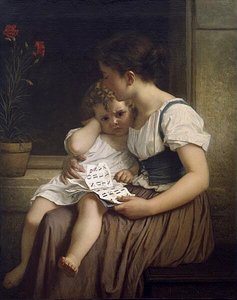
1822 - 1881 , Francia

Descubre los 10 retratos más influyentes de la historia del arte. Explora las historias detrás de obras maestras de Rembrandt, Van Gogh y Frida Kahlo. Encuentra reproducciones de alta calidad para tu hogar en Most-Famous-Paintings.com
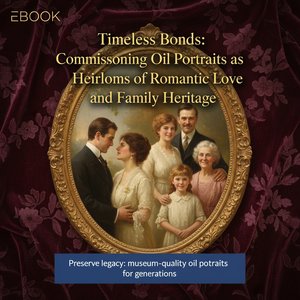
Encargue un retrato al óleo único y atemporal para celebrar su amor. Artistas expertos crean obras maestras personalizadas que perduran generaciones. ¡Preserve su legado familiar con arte de calidad!

Explore the captivating world of vintage portrait art! Discover styles, techniques & the enduring appeal of 19th-century masterpieces. Expert restoration, custom reproductions & appraisal services at Most-Famous-Paintings.

Encuentra el retrato de boda perfecto que capture tu amor eterno. Explora estilos únicos y encarga una obra maestra personalizada con . ¡Regalos inolvidables!
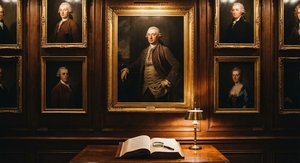
Descubre las 25 obras maestras de Sir Joshua Reynolds, el pintor inglés que elevó el retrato a la categoría de arte. Explora su técnica clásica, estilo rococó y significado histórico en Most-Famous-Paintings.com. ¡Encuentra reproducciones de alta calidad para tu hogar!


Manténgase al día con las últimas noticias de arte, ofertas exclusivas e ideas de decoración.
Cuéntanos sobre tu proyecto y nuestros expertos en arte te ofrecerán 3 sugerencias de obras personalizadas.
Permítenos seleccionar 3 opciones solo para ti – ¡Gratis!


 Compartir

 Ver más







 La opción de vidrio solo está disponible en tamaños inferiores a 110 cm.