x

 Oil On CanvasWallArtRococo
 1780Early Modern
 75.0 x 64.0 cm
Óleo sobre lienzo pintado a mano en el tamaño y marco de su elección, realizado por encargo por nuestros artistas. ( Pedir impresión Comprar descarga)





























Elija entre nuestros tamaños predefinidos que respetan las proporciones originales de la obra.

Puede ingresar sus propias dimensiones para adaptarse a un marco o espacio específico. Si el tamaño seleccionado no coincide con las proporciones de la imagen original, recortaremos la obra o extenderemos la pintura con elementos adicionales pintados a mano. Se le enviará una maqueta digital para su aprobación antes de comenzar la producción.
Tenga en cuenta que la vista previa en pantalla no refleja el recorte o la extensión reales. Solo la maqueta mostrará con precisión la composición final.
Si bien existen tamaños personalizados, recomendamos seleccionar una dimensión de la lista predefinida para preservar las proporciones originales.
Envío a todo el mundo () en 3-4 semanas en lugar de las 5 semanas estándar. (19 agosto). Sin comprometer la calidad.


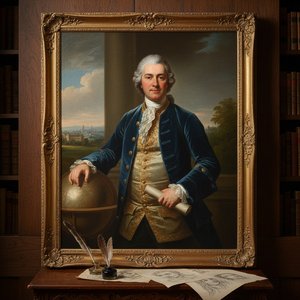
John Purling (1727–1801)
Tamaño de la reproducción
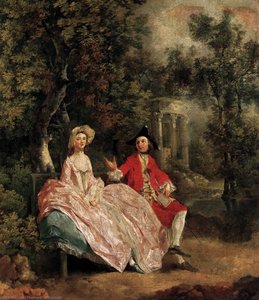
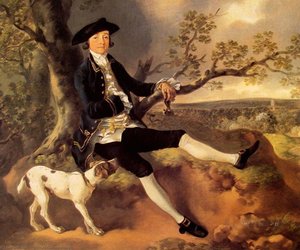
To gaze upon this portrait of John Purling is to step directly into the richly textured drawing rooms of the late Georgian era. The subject, rendered with such arresting directness, confronts the viewer with a gaze that is both contemplative and undeniably self-possessed. Dressed in the striking formality of his time—a vibrant red coat trimmed with crisp white accents, complemented by an elegant wig and bow tie—Purling embodies the sartorial gravity of the period. The artist has masterfully utilized color here; the bold, almost theatrical splash of crimson against the deep, enveloping darkness of the background does more than simply frame the sitter; it imbues him with a palpable sense of importance and dramatic presence.
This work bears the unmistakable hallmark of Thomas Gainsborough’s genius. While the subject is John Purling, the hand that captured this likeness belongs to an artist whose skill was legendary across Britain. Gainsborough possessed a remarkable ability to suggest texture and life with seemingly effortless strokes. Observe how the fabric of the red coat seems to catch the light, its folds rendered with a painterly immediacy that belies any underlying structure. The technique is one of sophisticated realism tempered by romantic flourish; it is not merely a record of appearance but an interpretation of spirit. The contrast between the highly detailed rendering of the white linen and the atmospheric depth of the background speaks to a virtuosity in handling light, making the figure appear as if illuminated by a single, dramatic source.
The date of this piece, circa 1780, places us at a fascinating crossroads in British history. The attire speaks to a period of burgeoning social structure and defined class roles. The formality of the dress suggests a man of means, perhaps a professional or gentleman engaged in public life. Gainsborough excelled at capturing not just faces, but entire societal moments. This portrait serves as a tangible window into the codes of conduct, the fashion sensibilities, and the quiet confidence that characterized the landed gentry during this transformative age. It is history worn beautifully.
What lingers most powerfully after viewing this piece is the emotional weight carried by Purling’s expression. His gaze is direct, challenging us to meet it head-on. This intensity suggests a depth of thought—a narrative untold. For the collector or designer seeking an accent piece, this painting offers more than mere decoration; it offers conversation. The drama inherent in the red and black palette provides an immediate focal point for any grand hall, library, or formal drawing room. It speaks of enduring elegance, masculine gravitas, and a timeless connection to the golden age of British portraiture.

Thomas Gainsborough, una figura destacada del arte británico del siglo XVIII, nació el 14 de mayo de 1727 en Sudbury, Suffolk. Como el hijo menor de John Gainsborough, un tejedor y fabricante de artículos de lana, la vida temprana de Thomas estuvo marcada por una pasión innata por el dibujo y la pintura. Ya a los diez años, había demostrado su destreza artística con autorretratos en miniatura y pequeños paisajes.
La formación formal de Thomas en arte comenzó en 1740 bajo la tutela de Hubert Gravelot en Londres. Sin embargo, fue su asociación con William Hogarth lo que influyó significativamente en su estilo. El trabajo de Gainsborough se caracteriza por su paleta clara y sus pinceladas despreocupadas, lo que lo distinguía de sus contemporáneos.
Gainsborough se vio influenciado por varios artistas, incluyendo a Hubert Gravelot y William Hogarth. Sin embargo, desarrolló un estilo distintivo que combinaba elementos del arte británico e italiano. Su interés en el paisaje fue crucial para su desarrollo artístico, alejándose de la tradición puramente de retrato que dominaba la época.
Su rivalidad con Sir Joshua Reynolds, otro importante retratista británico, impulsó a Gainsborough a buscar la excelencia tanto en el retrato como en la pintura de paisajes. Esta competencia amistosa contribuyó al florecimiento del arte británico durante el siglo XVIII.
El impacto de Thomas Gainsborough en el arte británico es innegable. Como miembro fundador de la Royal Academy, jugó un papel fundamental en la configuración de la institución. Su habilidad para capturar la personalidad y el carácter de sus retratados, combinada con su maestría en la pintura de paisajes, lo convirtió en uno de los artistas más importantes de su tiempo.
El legado artístico de Gainsborough continúa inspirando a artistas hasta el día de hoy.
El legado de Thomas Gainsborough perdura, consolidando su lugar en los anales de la historia del arte británico.

1727 - 1788 , Reino Unido

Explore the rich symbolism of the red dress in art history! From ancient power displays to iconic portraits like Cézanne’s 'Madame Cezanne', discover the cultural and artistic significance behind this captivating color. Expert analysis & insights.
Explore the life & work of Thomas Hudson, a leading 18th-century British portraitist. Discover his mastery of the 'Grand Manner,' influential style, and lasting impact on British art. Learn about his notable portraits like Judge William Noel & Alexander Van Aken.

Descubre 10 obras maestras del siglo XVIII: Goya, Fragonard y más. Explora la historia, el arte barroco, rococó y neoclasicismo que inspiran decoración elegante. Reproducciones de alta calidad en Most-Famous-Paintings.com.

Explore the life & art of Thomas Baines, a pioneering British explorer and artist who documented 19th-century Southern Africa & Australia. Discover his stunning landscapes, war paintings, and invaluable cartographic contributions.

Explore the life & work of Thomas Barker of Bath, a key figure in 19th-century English Romanticism. Discover his Parisian success, iconic paintings like 'The Bride of Death', and lasting artistic legacy. Learn more at Most-Famous-Paintings.


Manténgase al día con las últimas noticias de arte, ofertas exclusivas e ideas de decoración.
Cuéntanos sobre tu proyecto y nuestros expertos en arte te ofrecerán 3 sugerencias de obras personalizadas.
Dejamos que nosotros seleccionemos 3 opciones exclusivas para ti – ¡Gratis!


 Vista previa
 Compartir
 Compartir
 Ver detalles

 Descargar
 Ver similares
 Radiografía
 Presentación de diapositivas
 Leer más







 La opción de vidrio solo está disponible en tamaños inferiores a 110 cm.