x

Ajaloloos kuulsimate teoste muuseumikvaliteediga käsitsi maalitud reproduktsioonid ja arhiviklassi kangasprindid. Iga teos on uuritud, valmistatud ja kuraatori hoolikusega kättesaadav.
Maalari, kes kujundasid inimkonna vaadet ilule, valgusele ja vormile. Liiguta hiirega, et avastada nende silmapaistvad teosed.
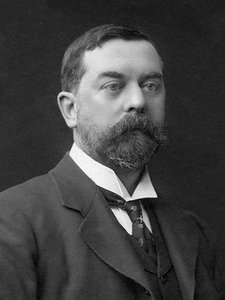
Avasta John Singer Sargenti looming! Vaata ikoonilisi portreid nagu 'Madame X', impressionistlikke maastikke ja särava ajastu elegantsi selle ameerika meisterliku kunstniku käe jälgi.

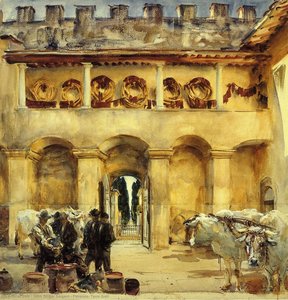

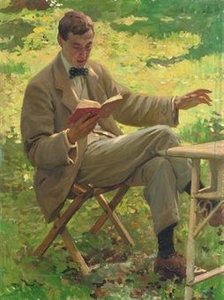
Sir Alfred Munnings (1878–1959) – Inglise kunstnik, tuntud eriti kaunite hobuste ja maaliliste maapiirkondade kujutustena. Tema impressionistlik stiil jäädvustab traditsioonilise Briti elu ja ratsastamis kultuuri.


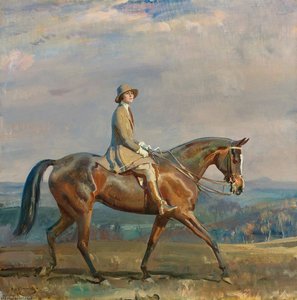
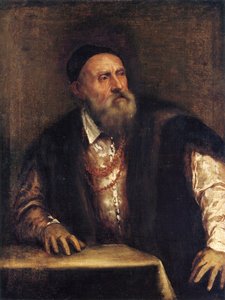
Pieve di Cadore Itaalia Titaan Tiziano Vecellio Titaan (1490–1576) – Veneetsia renessansi suurim värviline meister, tuntud portreede, müütiliste stseenide ja uuendusliku maalitehnika poolest. Avasta kunstniku elu! Renessanss, Veneetsia koolkond Lääne kunstnikud Giovanni Bellini u. 1490 1576 Tiziano Vecellio Itaalia Mees vooderiga Pieve di Cadore, Itaalia Firenze 3 Millises linnas T

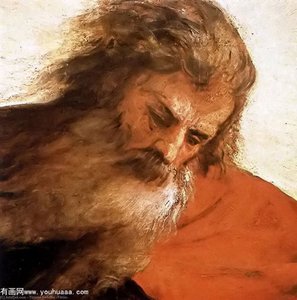

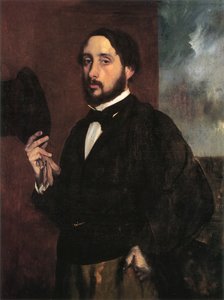
Edgar Degas: Ülemaailmeline kunstnik tuntud oma balletrõngastel ja Pariisi elu kujundustel ning innovatsiooniliste tehnikute tõttu – pärismeister tänapäeva kunstile.


"Vassily Kandinsky oli abstrakti kunstiliikumise suur nimi ja maailma esimene värvikas ekspressjonist! Tema täielikud maalilõpptööd, nagu "Murnau koos pruuniga" ja "Tempered Elan", on maailma suurimas kunstigaleriis."


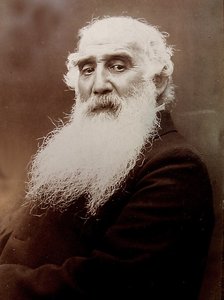
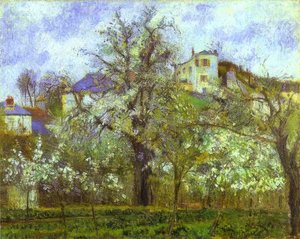
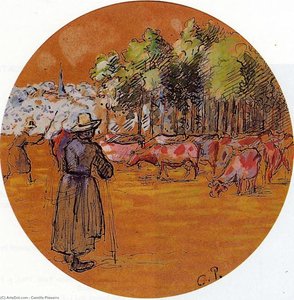
Impressionistliku kunsti isa Camille Pissarro maalid jäädvustavad kaunid maalide ja linnaelud. Tema teos mõjutas Van Goghi, Cézanne'i jt. Avasta tema ainulaadne pilk!


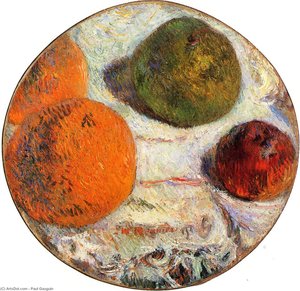
Paul Gauguin oli revolutsiooni tõttu Post-Impressionist kunstnik, kes tuntakse silmapäevale värviküllast kujundust ja eksotiselt teemade eest. Tutvuge tema eluga ja töödega Wikiart.com kesköhtsel kunstibaasil!

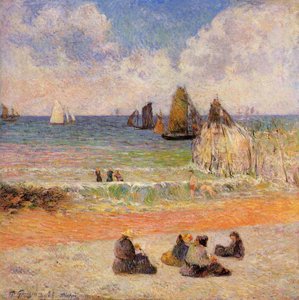

Sir Peter Paul Rubens oli barokkiaegade suurmeister! Tema ikonilised tööd nagu 'Immakorda Kristuse tõstmine' ja 'Piibli episoodid' on tuntud värviküllastusega ning dünaamilise kompositsiooni poolest. Tutvuge tema eluga ja kunstiga!


Thomas Gainsborough (1727-1788) – Briti kunstniku portreed ja maastikud peegeldavad Rococo stiili ning kujutavad Inglismaa ilu. Royal Academy asutaja, kelle looming mõjutas Constable'it.
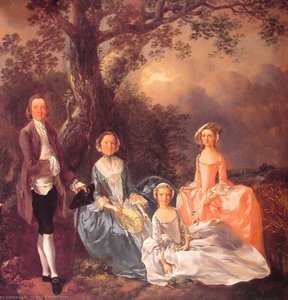
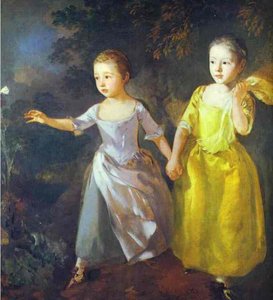
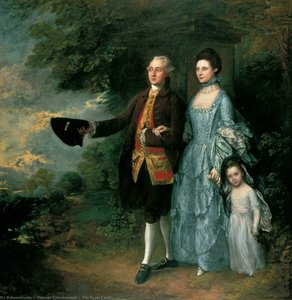
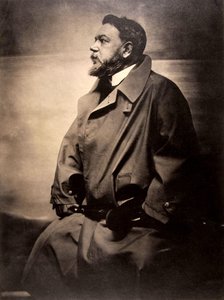
Joaquín Sorolla oli Hispaania impressionist ning luminismi suurmeister! Tema värviküllased maalid ja päikesevalgusest täis õhtuvaated on maailma kunstiloo ikoonid. Avastus Sorollat juba täna!
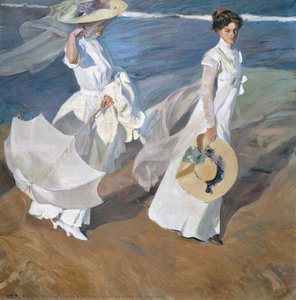


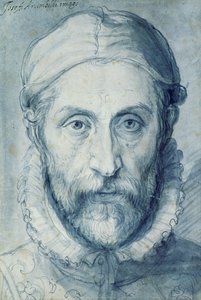
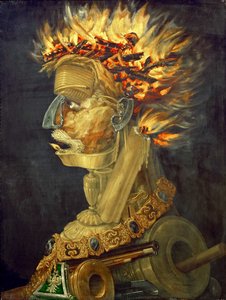
Avastage Giuseppe Arcimboldo (1527-1593), itaalia maniirismi meister, tuntud sürrealistlike portreedega, mis on loodud puuviljadest, köögiviljadest ja esemetest. Uurige tema omapäraseid ja mõtlemapanevaid teoseid!
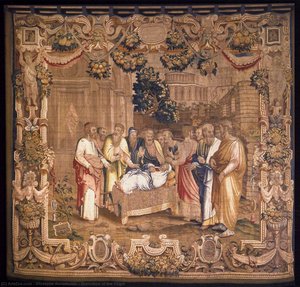

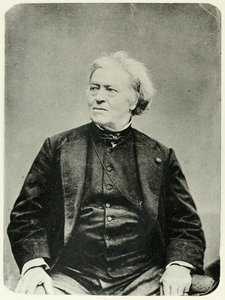
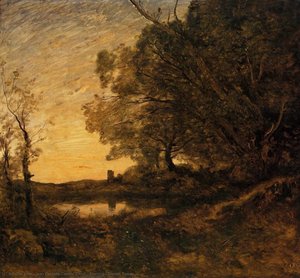
Jean-Baptiste-Camille Corot (1796–1875) – prantsuse maalikunstnik, kes ühendas klassitsismi ja impressionismi. Tema rahustavad maastikud, nagu 'The Repose', kujutavad valgust ja atmosfääri ning mõjutasid oluliselt hilisemaid kunstnikke.


Not a print. A hand-painted oil reproduction of the world's greatest works — framed in solid wood and delivered ready to hang.
Sõidutage läbi kaheksasentlise kunstilise saavutuste ajaloo — Byzantiumi kullast kuni kaasaegse pluralismini — ning leidke teid kõnetavad teosed.
c. 500–1000 CE
Characterized by the fusion of classical Greco-Roman, Christian, and barbarian artistic traditions across Europe. This era saw the height of Byzantine imperial splendor, the development of intricate insular illumination, and the rise of Carolingian and Ottonian monastic workshops. Art primarily served liturgical functions, emphasizing spiritual abstraction over naturalistic representation.

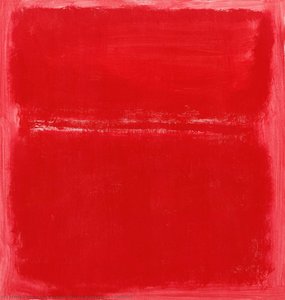
c. 1000–1300 CE
Marked by a dramatic expansion of urban centers and religious institutions across Western Europe. This period witnessed the development of monumental Romanesque stone sculpture and the subsequent birth of the Gothic style, defined by soaring rib vaults and luminous stained glass. Imagery became more expressive, reflecting a deeply structured feudal and ecclesiastical worldview.


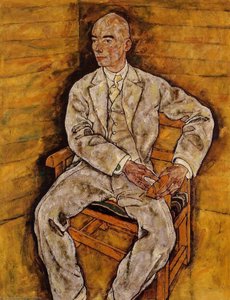
c. 1300–1400 CE
A transformative era defined by profound social shifts and the devastating impact of the Black Death. Artistic production responded with intensely emotive, humanized religious imagery. The International Gothic style brought refined courtly elegance to panel painting, while Italian Proto-Renaissance pioneers began reintroducing spatial depth, laying the groundwork for humanistic naturalism.


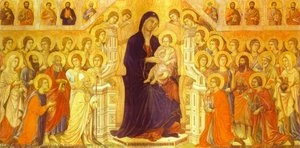
c. 1400–1600 CE
Characterized by a self-conscious revival of classical antiquity and the rise of intellectual humanism. Artists revolutionized visual culture through the mathematical mastery of linear perspective, anatomical precision, and the development of oil painting techniques. No longer mere artisans, creators achieved elevated status, balancing secular civic pride with innovative sacred commissions.


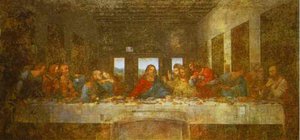
c. 1600–1800 CE
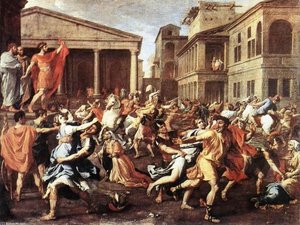
Spanning the dynamic shifts of the seventeenth and eighteenth centuries, this era encompasses the theatrical grandeur of the Baroque and the delicate intimacy of the Rococo. Driven by Counter-Reformation zeal and the wealth of global trade networks, artists manipulated light, shadow, and scale to create emotionally charged, politically potent visual environments.
c. 1800–1900 CE
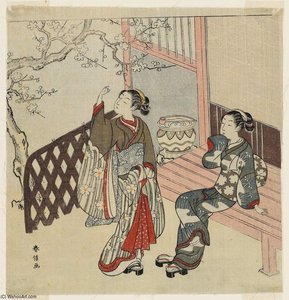
An era of rapid industrialization and socio-political upheaval that shattered traditional academic hegemony. Artistic production fragmented into a succession of revolutionary movements: the emotional intensity of Romanticism, the unvarnished truth of Realism, and the ephemeral light studies of Impressionism. This period fundamentally redefined the relationship between the artist and modern society.


c. 1900–1970 CE
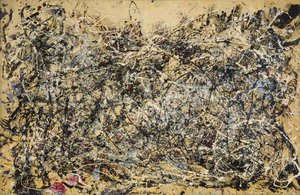
Defined by a radical rejection of traditional representation and the celebration of the avant-garde. Spurred by global conflicts and technological acceleration, artists embraced abstraction and conceptual experimentation. Movements such as Cubism, Expressionism, and Pop Art interrogated the very definition of art, reflecting the fragmented psychological landscape of twentieth-century life.

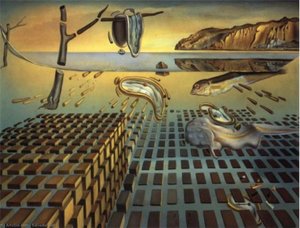
c. 1970–Present
Encompassing diverse artistic practices from the late twentieth century to the present day. Characterized by pluralism and postmodern critique, this era moves beyond singular movements to embrace installation, performance, and digital media. Artists engage directly with global networks, questioning identities, geopolitical structures, and the boundaries of an increasingly interconnected visual culture.


Every great painting, hand-reproduced in oil and delivered ready to hang. Find yours.
Sirgige meie kollektsiooni kunstisuunadega, mis muutsid ära selle, kuidas maalidandid vaatasid — ja kuidas maailm vaatas maaleid.

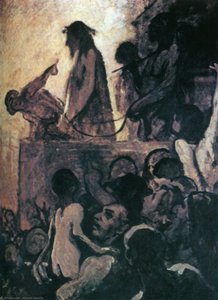

Rejecting idealized academic conventions and dramatic romanticism, Realism emerged in the mid-19th century as a deliberate effort to document everyday life with unvarnished objectivity. Painters focused on the working class, mundane tasks, and contemporary social realities, favoring earthy palettes and honest representation over mythologized or heroic subjects.
Sirgi kollektsiooni tutvustus


Developed in the late 19th and early 20th centuries, this movement captured the changing landscape of American life with profound honesty. Artists documented rapidly growing urban centers, industrial labor, and quiet rural communities, creating a distinct visual identity that reflected the social transformations, grit, and unique character of a developing nation.
Sirgi kollektsiooni tutvustus


Arising in the late 18th century as a critique of Enlightenment rationalism, Romanticism championed intense emotion, individual imagination, and the awesome power of nature. Artworks from this period frequently feature dramatic compositions, rich colorism, and a fascination with the sublime, emphasizing human vulnerability against vast, untamable elements.
Sirgi kollektsiooni tutvustus


Originating in late 19th-century France, Impressionism revolutionized Western painting by discarding formal studio practices for plein-air execution. Characterized by loose, visible brushwork and a vivid palette, artists prioritized the shifting effects of light, atmospheric conditions, and transient everyday moments over precise line and traditional narrative content.
Sirgi kollektsiooni tutvustus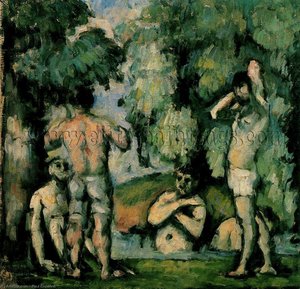
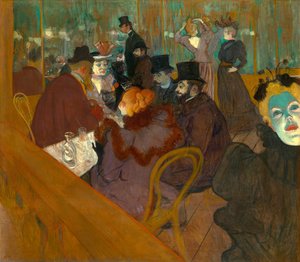

Emerging as an extension of and reaction to Impressionism, this diverse late 19th-century movement shifted focus from objective sensory perceptions to structured, symbolic expression. Artists employed vivid, non-naturalistic color, thick paint application, and defined geometric forms to explore personal psychological depths and greater formal order on the canvas.
Sirgi kollektsiooni tutvustus


This late 19th-century avant-garde movement rejected literal representation in favor of expressing ideas, psychological states, and spiritual truths through metaphorical imagery. Heavily influenced by poetry and mysticism, artists constructed dreamlike, allegorical scenes that prioritized internal emotions, mythology, and the subconscious over the objective observation of the natural world.
Sirgi kollektsiooni tutvustus
Inspired by the archaeological rediscovery of classical antiquity, Neoclassicism dominated the late 18th century by emphasizing rationality, order, and civic virtue. Reacting against late Baroque decorative excesses, paintings feature austere, symmetric compositions, linear precision, smooth surfaces, and historical subject matter designed to inspire moral clarity and political duty.
Sirgi kollektsiooni tutvustus
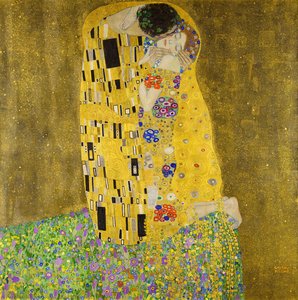
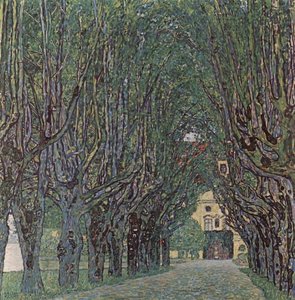
Flourishing at the turn of the 20th century, Art Nouveau sought to break down the traditional hierarchy between fine art and applied arts. Visually defined by sinuous, flowing lines, organic curves, and elegant botanical motifs, the movement aimed to create a harmoniously integrated aesthetic environment encompassing painting, architecture, and decorative objects.
Sirgi kollektsiooni tutvustus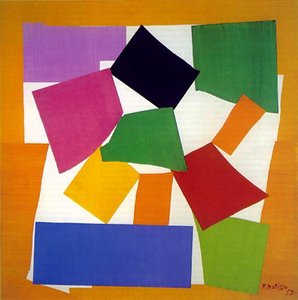
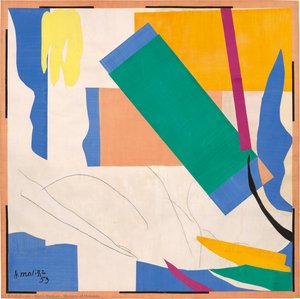

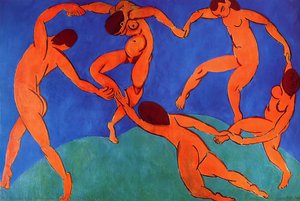
Pioneered in the early 20th century, Fauvism was characterized by its revolutionary use of explosive, non-naturalistic color and raw, visible brushwork. Artists liberated color from its traditional descriptive role, employing pure, unmodulated pigments directly from the tube to project intense emotion and establish structural rhythm independent of literal reality.
Sirgi kollektsiooni tutvustus


Encouraged by the Counter-Reformation in the 17th century, Baroque art is defined by dynamic movement, theatrical grandeur, and intense emotional appeal. Masters used pronounced chiaroscuro — a sharp contrast between deep shadow and piercing light — to craft deeply immersive, awe-inspiring compositions that engaged the viewer's spirituality through vivid sensory experiences.
Sirgi kollektsiooni tutvustus


Marking the transition from the medieval period to modernity, the Renaissance witnessed a profound revival of classical Greco-Roman learning and philosophy. Artistically, this era introduced revolutionary advancements in linear perspective, anatomical precision, and balanced, harmonious proportions, synthesizing deep Christian devotion with a newly awakened scientific humanism and naturalism.
Sirgi kollektsiooni tutvustus


Originating in early 20th-century northern Europe, Expressionism prioritized the depiction of subjective psychological states over objective external reality. Artists utilized radical formal distortion, harsh jagged lines, and jarring, unnatural colors to project internal anxieties, alienation, and raw emotional intensity, frequently offering a pointed critique of modern industrial society.
Sirgi kollektsiooni tutvustus
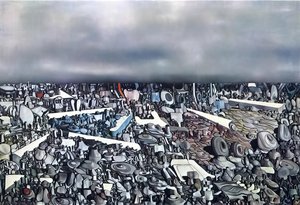

Founded in the 1920s, Surrealism aimed to bridge the fractured boundaries between dream and reality by liberating the creative power of the subconscious mind. Influenced deeply by psychoanalysis, artists utilized unexpected, bizarre juxtapositions, automatism, and illusionistic techniques to challenge rational thought and explore the poetic logic of the unconscious.
Sirgi kollektsiooni tutvustus
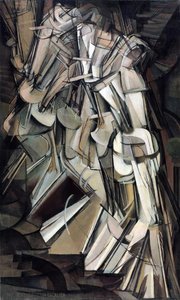

Co-founded in the early 20th century, Cubism radically dismantled centuries of traditional perspective by deconstructing objects into flat, geometric facets. Instead of depicting a subject from a single static viewpoint, artists rendered figures from multiple angles simultaneously, asserting the canvas as a conceptual, two-dimensional construction rather than an illusionistic window.
Sirgi kollektsiooni tutvustus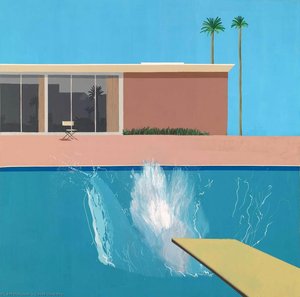


Emerging in the mid-20th century, Pop Art challenged the elitism of traditional fine art by incorporating imagery from popular culture, mass media, and consumerism. Utilizing commercial printing techniques, comic strip aesthetics, and bold advertising palettes, artists mirrored and critiqued post-war society, effectively blurring the boundaries between high and low culture.
Sirgi kollektsiooni tutvustus

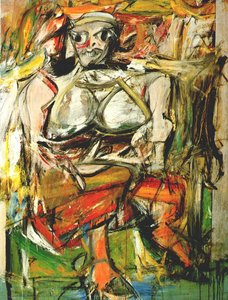
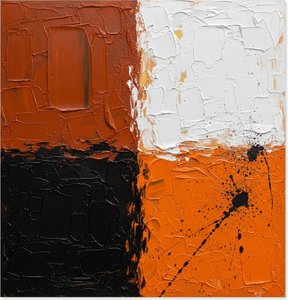
Developing in post-World War II New York, Abstract Expressionism shifted the focus of painting to pure abstraction and monumental scale. Through spontaneous gestural brushwork, action painting, and expansive color fields, artists sought to communicate universal human emotions and cross-cultural spiritual truths directly from the subconscious, emphasizing the physical act of creation.
Sirgi kollektsiooni tutvustus
Spanning the late 19th to mid-20th centuries, Modernism represents a broad, experimental break from classical academic traditions in response to rapid industrialization and global change. Embracing the ethos of constant reinvention, artists systematically questioned the nature of representation, exploring fragmentation, abstraction, and the intrinsic qualities of their artistic mediums.
Sirgi kollektsiooni tutvustusProduced from the late 20th century to the present, Contemporary art is characterized by a globally diverse, institutionally critical, and technologically fluid landscape. Moving beyond traditional boundaries of style and medium, artists utilize conceptual frameworks, digital tools, and multimedia installations to engage dynamically with urgent themes of identity, globalization, and socio-political critique.
Sirgi kollektsiooni tutvustusKatalogiseerime meistriteoseid tuhandedest institutsioonidest üle maailma. Avastage nende kollektsioone — ja tooge teosed koju.

Avasta Euroopa meistriteosed ja muistsed kunstioskused J. Paul Getty Muuseumis! Kaks imelist kampust: Getty Center & Villa. Sissepääs tasuta! Ameerika Ühendriigid Timothy Potts Los Angeles J. Paul Getty Muuseum Euro

Avasta Art Institute of Chicago maailmakuulus kollektsioon! Tutvu Monet' ja Van Goghi meistriteostega ning koge kaunite arhitektuurimälestiste võlu selles ikoonilises muuseumis. Ameerika Ühendriigid Chicago Art Instit

Avasta Los Angelesi suurima kunstimuuseumi põgus maailmaklassilist kunstitööd ja arhitektuurilist innovatsiooni! Tutvu Euroopa meistriteoste ning Põhjamikrooni kaudu – sissepääs on tasuta! Avasta Los Angelesi suurima ku

An Immersive Experience The Neue Galerie distinguishes itself not only through its exceptional collection but also through its dedication to creating a complete cultural experience. Visitors can step back in time at Caf
Kolm lugemist ühistel teemadel — meie redaktsiooni valitud, et süvendada teie arusaamist meie kollektsiooni teostest.
 E-raamat
Loodame individuaalselt loodud kunsti korporatiivsetes keskkondades. Kunstikonsultatsioonid, portreekunst tellimine ja kollektsiooni hindamine WahooArt.com-ist. Loovus, heaolu ja väärtuse kasv!
 E-raamat
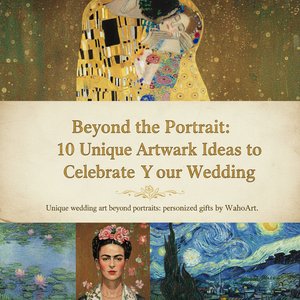
Jäädvustage teie pulmapäev unikaalsel moel! Avastage 10 ainulaadset kunstilist ideed lõuendile maalitud mälestuste loomiseks. Tellige käsitsi maalitud portree või eksklusiivne pulmategemine WahooArt.c
 E-raamat
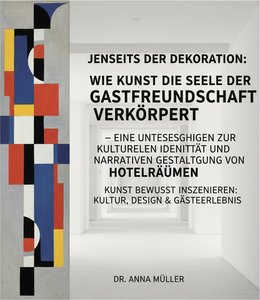
Avastage, kuidas kunst transformeerib hotellikogemust! Ekspertkonsultatsioonid, käsitöölised reproduktsioonid ja kohandatud lahendused brändi identiteedi loomiseks. Luksuslik sisustus WahooArt.com-ga.
Vali alljärgnevast vastus — seejärel kliki lingil, et jätkata viie küsimusega väljakutset selle eraldisel lehel.
Milline kunstnik on tuntud oma teose "Stefaneschi Triptühhi" pool, mis tähistab olulist üleminekut Bütsantsi kunstist humanismile? — Vatican City, Vatican City State
Millest aastal Diego Velázquez lõi maalile "Breda Ülendumine"?
Millises linnas sündis Jean-Léon Gérôme?
Iga reproduktsiooni algus on meie arhiivis. Et tagada iga värvi, tekstuuride ja proportsioonide täpsus, uurime originaalteost muuseumikvalideediga fotograafia ja teaduslike kataloogide abil.
Meie stuudio kasutab klassilist tehnikat valdavaid maalikuid — paljudel neist on kunstikavalimuse kõrgsõjaline haridus ning spetsialiseerumine konkreetsetesse ajeperioodidesse või koolkondadesse. Iga kunstnik on suunatud teostele, mis vastavad tema meistriklusele.
Lina- ja puuvillakangastega lõvet. Õlivaarid, mille valguskindlustust hinnatakse üle 100 aasta. Lakid, mille koostis on identne muuseumkonserveerimisel kasutatavate lugudega. Sest suurepärane reproduktsioon väärib sama hoolt kui originaalgi.


Püsige kursis viimaste kunstiuudistega, eksklusiivsete pakkumistega ja sisustamisideetega.
Kirjeldage meile oma projekti ja meie kunstieksperdid pakuvad teile 3 isikupärast kunstiettepanekut.
Laske meil koostada just teile mõeldud 3 valikut – tasuta!