x

 Õlimaal kangaruumilSeinakunstRococo Style
 1717varasne modernism
 129.0 x 194.0 cm
 Louvre'i muuseum
Meie kunstnike poolt tellimusel valmistatud käsitsi maalitud õli-kainaste teos teie soovitud suuruses ja raamis. ( Osta print Osta pilt)





























Vali meie eelmääratud suurused, mis vastavad teose algupärastele proportsioonidele.

Sa võite sisestada oma mõõtmed konkreetse raami või ruumi sobivuse tagamiseks. Kui teie valitud suurus ei vasta originaalpildi proportsioonidele, siis kärvime kunstiteost või laiendame maali täiendavate käsitsi maalitud elementidega. Enne tootmise algust saadetakse teile heakskiitmiseks digitaalne eelvaade.
Palun pidage meeles, et ekraanil kuvatav eelvaade ei kajasta tegelikku kärpimist või laiendamist. Ainult eelvaade näitab täpselt lõplikku kompositsiooni.
Kuigi on saadaval kohandatud suurused, soovitame originaalproportsioonide säilimiseks valida mõõdud eelmääratletud nimekirjast.
Maailmline tarne 3–4 nädala jooksul tavalise 5 nädala asemel. (16 august). Kvaliteedis kompromisse ei tehta.


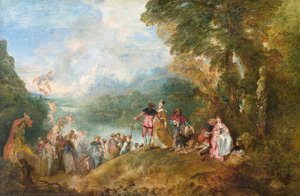
Pilgrimage to Cythera
Reproduktsiooni suurus
Jean-Antoine Watteau’s “Pilgrimage to Cythera” is more than just a painting; it’s an invitation. An invitation into a world of exquisite leisure, where the pursuit of beauty and love takes center stage. Completed in 1717, this masterpiece exemplifies the Rococo movement's fascination with fleeting pleasures and idealized romance, offering a glimpse into the aristocratic salons of 18th-century France. Watteau’s genius lies not just in his technical skill – though that is undeniably remarkable – but in his ability to capture an atmosphere, a mood, a feeling of effortless grace and joyful abandon.
The painting's impact begins with its visual language. Watteau masterfully employs a palette dominated by soft pastels – blush pinks, delicate blues, creamy yellows, and muted greens – creating an ethereal glow that seems to emanate from the scene itself. These colors aren’t merely decorative; they contribute directly to the painting’s mood of serenity and indulgence. His brushwork is equally remarkable: fluid, expressive lines dance across the canvas, giving a sense of movement and vitality to the figures. Notice how the drapery flows with an almost impossible grace, reflecting Watteau's deep understanding of form and texture. The artist skillfully uses light and shadow to create depth and volume, drawing the viewer into this intimate gathering.
The subject matter itself is steeped in symbolism. “Pilgrimage to Cythera” directly references the ancient Greek myth of Cythera, the island birthplace of Aphrodite (Venus), goddess of love and beauty. The painting depicts a *fête galante*, a fashionable social gathering where wealthy patrons would indulge in leisurely pursuits – dancing, conversation, and admiring each other’s company – all in the service of celebrating love and pleasure. The presence of cherubs, often associated with innocence and delight, further reinforces this theme. The figures' gestures and expressions are carefully crafted to convey a sense of romantic longing and playful flirtation. It is a visual meditation on the ephemeral nature of beauty and happiness.
Watteau was a pivotal figure in the development of the Rococo style, moving away from the grandeur and drama of the Baroque period towards a more intimate and decorative aesthetic. “Pilgrimage to Cythera” perfectly embodies this shift. The composition is deliberately crowded, reflecting the opulence and abundance of aristocratic life. The classical elements – the statues, the elegant clothing – are subtly integrated into the scene, demonstrating Watteau’s deep knowledge of art history and his ability to synthesize different influences. This painting isn't just a beautiful image; it's a valuable historical document, offering us a glimpse into the tastes and values of 18th-century French society.
“Pilgrimage to Cythera” continues to captivate viewers centuries later. Its delicate beauty, evocative atmosphere, and rich symbolism make it a timeless masterpiece. Whether displayed in a grand salon or a smaller room, this painting brings an air of elegance and sophistication. A high-quality reproduction allows art enthusiasts to bring a touch of 18th-century French refinement into their personal or professional spaces, inspiring admiration and conversation for generations to come.

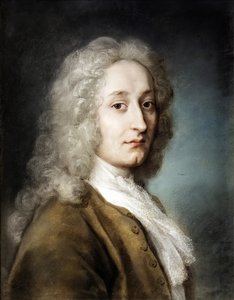
1684 - 1721 , Prantsusmaa

Discover the captivating world of Jean-Antoine Watteau, master of the Fête Galante! Explore his iconic paintings, symbolism, and lasting influence on Rococo art. A deep dive for classic art enthusiasts.

Sukeldu RoKokoo maailma! Avasta 10 meistriteost, mis defineerisid kunstisuunda – prantsuse kunstnikud, kuldsed toonid ja luksuslik interjöör. Tutvu lugudega legendaarsete teoste taga & leia inspiratsiooni Most-Famous-Paintings.com-ilt!

Explore the opulent world of Rococo art! Discover its origins, key artists like Watteau & Boucher, and lasting influence on design. Expert insights for collectors & enthusiasts.

Explore the exquisite world of Rococo art! Discover its history, masters (Watteau, Boucher & more), and defining elegance. Expert insights for collectors seeking museum-quality reproductions & custom portraits.

Explore the captivating world of Jean-Baptiste Pater, a master of Rococo painting. Discover his elegant *fête galante* scenes and shimmering portraits – a glimpse into 18th-century French aristocracy. Learn about his legacy & find high-quality reproductions.


Püsige kursis viimaste kunstiuudistega, eksklusiivsete pakkumistega ja sisustamisideetega.
Kirjeldage meile oma projekti ja meie kunstieksperdid pakuvad teile 3 isikupärast kunstiettepanekut.
Laske meil koostada just teile mõeldud 3 valikut – tasuta!


 Eelvaade
 Saada
Saada Jaga
Jaga
 Teave teose kohta

 Laadi alla
 Sarnased teosed
 Röntgenuuring
 Slaidietendus
 Loe lähemalt







 Klaasivalik on saadaval ainult suuruses kuni 110 cm