x

 Õlimaal kangaruumilSeinakunstRomantism
 178919. sajand
 127.0 x 94.0 cm
Meie kunstnike poolt tellimusel valmistatud käsitsi maalitud õli-kainaste teos teie soovitud suuruses ja raamis. ( Osta print Osta pilt)





























Vali meie eelmääratud suurused, mis vastavad teose algupärastele proportsioonidele.

Sa võite sisestada oma mõõtmed konkreetse raami või ruumi sobivuse tagamiseks. Kui teie valitud suurus ei vasta originaalpildi proportsioonidele, siis kärvime kunstiteost või laiendame maali täiendavate käsitsi maalitud elementidega. Enne tootmise algust saadetakse teile heakskiitmiseks digitaalne eelvaade.
Palun pidage meeles, et ekraanil kuvatav eelvaade ei kajasta tegelikku kärpimist või laiendamist. Ainult eelvaade näitab täpselt lõplikku kompositsiooni.
Kuigi on saadaval kohandatud suurused, soovitame originaalproportsioonide säilimiseks valida mõõdud eelmääratletud nimekirjast.
Maailmline tarne 3–4 nädala jooksul tavalise 5 nädala asemel. (12 august). Kvaliteedis kompromisse ei tehta.


Printsiooni Charles IV Hispaania
Reproduktsiooni suurus
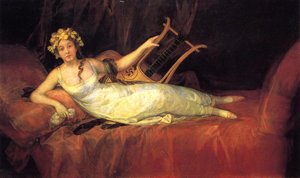
Francisco de Goya’s “Portrait of Charles IV of Spain,” painted in 1789, isn't merely a likeness; it’s a carefully constructed commentary on power, perception, and the subtle anxieties simmering beneath the gilded surface of 18th-century Spanish society. This oil-on-canvas masterpiece, now residing at the Museo de Bellas Artes de Santander, offers a remarkably intimate – and subtly critical – glimpse into the life of a monarch, revealing a man wrestling with his responsibilities and perhaps, a touch of self-doubt. Measuring 127 x 94 cm, the painting immediately commands attention with its rich palette and meticulous detail, yet it’s the King's expression that truly anchors the viewer, inviting contemplation long after the initial visual impact has faded.
Goya, a pivotal figure in Spanish art history, was renowned for his ability to capture not just appearances but also the underlying emotions and social dynamics of his time. He moved beyond traditional court portraiture, injecting a degree of realism and psychological depth previously unseen. His work frequently challenged societal norms, often employing satire to expose hypocrisy and corruption within the aristocracy. “Portrait of Charles IV” is no exception; it’s a carefully calibrated blend of formality and understated critique.
Charles IV, dressed in the imposing attire of a Spanish monarch – a vibrant red coat adorned with gold trim and a striking blue sash – presents an initially regal image. However, a closer examination reveals a far more complex portrait. His facial expression is undeniably stern, bordering on severe, suggesting a weighty burden of responsibility. This isn’t the jovial, approachable ruler often depicted in earlier portraits; instead, we see a man burdened by the vastness of his empire and the challenges it presented. The subtle furrowing of his brow, the slight downturn of his mouth – these details speak volumes about the pressures he faced.
The background landscape, dominated by imposing mountains, serves as more than just a decorative element. It’s a potent symbol of Spain's expansive territory and its imperial ambitions. The ruggedness of the terrain mirrors the challenges inherent in governing such a vast realm, hinting at the difficulties Charles IV faced in maintaining control and stability. The composition itself reinforces this sense of scale – the King is positioned centrally, dwarfed by the monumental backdrop, subtly emphasizing his role as both leader and subject to the forces beyond his immediate control.
“Portrait of Charles IV” firmly establishes Goya's allegiance to the burgeoning Romantic movement. This artistic sensibility prioritized emotion, imagination, and individualism—qualities sharply contrasting with the rigid formality of Neoclassicism that still held sway at the time. Goya’s masterful use of light and shadow creates a dramatic effect, highlighting key features while simultaneously obscuring others, adding layers of ambiguity to the portrait. The rich textures of the fabrics, meticulously rendered through brushstrokes, further enhance the painting's visual impact.
The artist’s technique is characterized by a remarkable attention to detail—from the intricate folds of the King’s coat to the subtle nuances of his expression. Yet, this precision isn’t employed to create an idealized representation; rather, it serves to expose the reality beneath the surface. Goya's use of color is particularly noteworthy – the deep reds and blues are juxtaposed with muted earth tones, creating a sense of tension and unease.
Despite being painted over two centuries ago, “Portrait of Charles IV of Spain” continues to resonate powerfully today. It’s a poignant reminder of the complexities inherent in leadership and the often-hidden struggles faced by those who hold power. The painting's enduring appeal lies not only in its artistic merit but also in its ability to provoke reflection on themes of authority, responsibility, and the human condition.
Most-Famous-Paintings offers exquisite, hand-painted reproductions of this iconic work, meticulously crafted to capture the essence of Goya’s original vision. Each reproduction is created by skilled artisans using traditional oil painting techniques, ensuring a faithful representation of the artwork's rich colors and intricate details. Whether you are an art enthusiast, collector, or simply seeking a stunning addition to your home décor, our “Portrait of Charles IV of Spain” reproduction provides a beautiful and meaningful way to experience this masterpiece firsthand. Explore the reproduction here.


1746 - 1828 , Hispaania

Explore the profound history and technical brilliance of oil on panel painting. From Renaissance masters to modern techniques, discover why this rigid support offers unparalleled precision and permanence for fine art lovers and collectors.


Püsige kursis viimaste kunstiuudistega, eksklusiivsete pakkumistega ja sisustamisideetega.
Kirjeldage meile oma projekti ja meie kunstieksperdid pakuvad teile 3 isikupärast kunstiettepanekut.
Laske meil koostada just teile mõeldud 3 valikut – tasuta!


 Eelvaade
 Saada
Saada Jaga
Jaga
 Teave teose kohta

 Laadi alla
 Sarnased teosed
 Röntgenuuring
 Slaidietendus
 Loe lähemalt







 Klaasivalik on saadaval ainult suuruses kuni 110 cm