


x

 Õlimaal kangaruumilSeinakunstimpressionist realism
 187619. sajus
 92.0 x 68.0 cm
 Musée d'Orsay
Meie kunstnike poolt tellimusel valmistatud käsitsi maalitud õli-kainaste teos teie soovitud suuruses ja raamis. ( Lülita trükile Vaata pilti)





























Vali meie eelmääratud suurused, mis vastavad teose algupärastele proportsioonidele.

Sa võite sisestada oma mõõtmed konkreetse raami või ruumi sobivuse tagamiseks. Kui teie valitud suurus ei vasta originaalpildi proportsioonidele, siis kärvime kunstiteost või laiendame maali täiendavate käsitsi maalitud elementidega. Enne tootmise algust saadetakse teile heakskiitmiseks digitaalne eelvaade.
Palun pidage meeles, et ekraanil kuvatav eelvaade ei kajasta tegelikku kärpimist või laiendamist. Ainult eelvaade näitab täpselt lõplikku kompositsiooni.
Kuigi on saadaval kohandatud suurused, soovitame originaalproportsioonide säilimiseks valida mõõdud eelmääratletud nimekirjast.
Maailmline tarne 3–4 nädala jooksul tavalise 5 nädala asemel. (7 august). Kvaliteedis kompromisse ei tehta.


The Absinthe Drinker
Reproduktsiooni suurus
Édouard Manet’s “The Absinthe Drinker,” completed around 1859, stands as a pivotal work in his oeuvre and arguably the first truly significant painting born from his burgeoning artistic vision. Initially dismissed by critics who favored academic conventions, this deceptively simple composition—a café scene featuring two figures seated at a table—has since cemented its place as an icon of Impressionism and a poignant reflection on the anxieties of modern life.
Degas meticulously observed his subjects—Ellen André, an actress, and Marcellin Desboutin, an engraver—and skillfully employed Japanese print techniques to achieve a dramatic framing effect. The artist deliberately positioned the mirror behind the table to create a visual illusion of depth and amplify the sense of confinement.
“The Absinthe Drinker” transcends mere representation; it invites contemplation on the human condition and the universal experience of loneliness. Its enduring appeal lies in its ability to capture a moment frozen in time—a testament to Degas’s artistic genius and his unwavering commitment to portraying reality with uncompromising honesty.
For collectors and interior designers alike, this artwork offers an opportunity to infuse spaces with history, artistry, and emotional depth. A high-quality reproduction allows one to appreciate the nuances of Degas's technique and experience the evocative atmosphere captured in “La Nouvelle Athènes,” ensuring that its timeless beauty continues to inspire generations.
Degas’s masterful execution hinges on his distinctive Impressionistic brushwork—loose, expressive strokes applied with visible pigment. Rather than striving for photographic accuracy, he prioritized capturing the fleeting effects of light and color, prioritizing sensation over precise detail. This technique is particularly evident in the rendering of the figures' drapery and the café furniture.
The soft diffused lighting casts delicate shadows that define the forms of the figures and furniture, enhancing their presence within the composition. This masterful manipulation of light underscores Degas’s commitment to capturing an impression of reality—a hallmark of Impressionist painting.
“The Absinthe Drinker” emerged during a period of profound social change in Paris, mirroring anxieties surrounding modernity and the decline of traditional values. The café setting itself served as a symbol of urban life—a space for intellectual discourse and artistic experimentation.
The painting's enduring legacy stems from its ability to resonate with viewers on a deeply personal level—a reminder that even amidst bustling cityscapes, moments of solitude and introspection remain fundamental to the human experience.
Degas’s innovative framing technique—incorporating a mirror behind the table—creates a compelling visual illusion of depth and amplifies the sense of confinement. This deliberate compositional choice reflects Japanese print aesthetics, demonstrating Degas's fascination with Eastern art traditions.
"The Absinthe Drinker" continues to captivate audiences with its evocative atmosphere and profound emotional depth. Its melancholic mood—expressed through muted colors and subtle gestures—invites contemplation on themes of loneliness, disillusionment, and the complexities of human relationships.

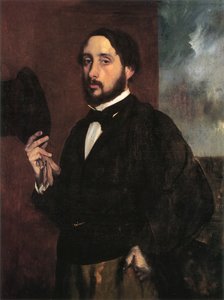
1834 - 1917 , Prantsuse

Explore the captivating world of Edgar Degas! Discover his innovative techniques, iconic ballet paintings, and unique portrayal of Parisian life in this insightful art history study.

Journey into the heart of Impressionism! Explore 10 masterpieces by Monet, Renoir & Degas that revolutionized landscape art. Discover their stories, techniques & find museum-quality reproductions to elevate your home decor on Most-Famous-Paintings.com.

Journey through Impressionistic Realism with 10 iconic masterpieces by Monet, Renoir & Van Gogh. Explore art history, techniques & find museum-quality reproductions for your home at Most-Famous-Paintings.com. Discover all masterpieces online!

Avasta impressionistliku maastikukunstiga 10 legendaarset meistriteost! Monet, Renoir jt. värvilised maailmad ja kunstnike lood – Most-Famous-Paintings.com pakub kaunite kunstide ajaloo klassikat seinakaunistuseks. Uuri kollektsiooni!

Avastage 10 impressionismi suurmeisterteost! Claude Monet, Renoir ja teised kunstnikud muutsid maalikunsti. Loe nende lugusid ja leia täiuslik sisustusidee Most-Famous-Paintings.com-is. Kunstireprodutsioonid otse sinu koju!


Püsige kursis viimaste kunstiuudistega, eksklusiivsete pakkumistega ja sisustamisideetega.
Kirjeldage meile oma projekti ja meie kunstieksperdid pakuvad teile 3 isikupärast kunstiettepanekut.
Laske meil koostada just teile mõeldud 3 valikut – tasuta!


 Eelvaade
 Saada
Saada Jaga
Jaga
 Teave teose kohta

 Laadi alla
 Sarnased teosed
 Röntgenuuring
 Slaidietendus
 Loe lähemalt







 Klaasivalik on saadaval ainult suuruses kuni 110 cm


