x

Meie kunstnike poolt tellimusel valmistatud käsitsi maalitud õli-kainaste teos teie soovitud suuruses ja raamis. ( Osta print Osta pilt)





























Vali meie eelmääratud suurused, mis vastavad teose algupärastele proportsioonidele.

Sa võite sisestada oma mõõtmed konkreetse raami või ruumi sobivuse tagamiseks. Kui teie valitud suurus ei vasta originaalpildi proportsioonidele, siis kärvime kunstiteost või laiendame maali täiendavate käsitsi maalitud elementidega. Enne tootmise algust saadetakse teile heakskiitmiseks digitaalne eelvaade.
Palun pidage meeles, et ekraanil kuvatav eelvaade ei kajasta tegelikku kärpimist või laiendamist. Ainult eelvaade näitab täpselt lõplikku kompositsiooni.
Kuigi on saadaval kohandatud suurused, soovitame originaalproportsioonide säilimiseks valida mõõdud eelmääratletud nimekirjast.
Maailmline tarne 3–4 nädala jooksul tavalise 5 nädala asemel. (20 august). Kvaliteedis kompromisse ei tehta.


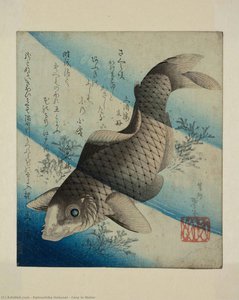
A farmer on a bridge leading a bullock through water - Põhjõe müüril juhtides härka vett mööda
Reproduktsiooni suurus
Katsushika Hokusai, a name synonymous with Japanese art and arguably the most influential artist of the Edo period (1615–1868), didn’t simply record landscapes; he distilled them into embodiments of profound philosophical contemplation. “The Waterwheel at Onden,” part of his monumental *Thirty-Six Views of Mount Fuji*, transcends a mere depiction of rural life, offering a breathtaking glimpse into the harmonious relationship between humanity and nature—a vision that continues to captivate audiences worldwide.
Subject Matter: The print presents a serene tableau centered around a waterwheel nestled within Onden village. At its core resides a farmer diligently guiding a bullock across the flowing river, symbolizing unwavering labor, steadfast perseverance, and the fundamental connection between human endeavor and agricultural sustenance—values deeply ingrained in Edo society’s ethos.
Style & Technique: Hokusai's mastery of *hokuyo-ga*, or “mountain landscape prints,” exemplifies the artistic conventions of his era. The composition employs a dramatic perspective—the towering Mount Fuji dominates the distant horizon, creating an illusion of depth that draws the viewer’s gaze inwards. Precise linework and subtle tonal gradations achieved through meticulous printing techniques convey texture and atmosphere with remarkable accuracy – a testament to Hokusai's unparalleled skill in capturing fleeting moments of beauty.
Historical Context: Created during a period characterized by significant social upheaval and economic transformation, “The Waterwheel at Onden” speaks powerfully to the enduring spirit of rural Japan. The Edo Bakufu’s centralized governance fostered stability but simultaneously imposed constraints on individual liberties. Yet, amidst these pressures, communities like Onden clung resolutely to traditions—represented here in the simple act of harnessing water power for cultivation – a gesture reflecting the resilience and continuity that define Japanese cultural heritage.
Symbolism: Beyond its immediate visual splendor, the print is imbued with rich symbolic resonance. The turtle, revered throughout Buddhist lore as a symbol of longevity and wisdom, accompanies the farmer’s bullock, suggesting an aspiration for enduring prosperity and harmonious coexistence between humankind and animal—a sentiment echoed across centuries of Japanese artistic expression.
Emotional Impact: “The Waterwheel at Onden” evokes a palpable sense of contemplative serenity. The muted palette—dominated by blues and greens—mirrors the colors of the river and surrounding foliage, fostering an atmosphere conducive to quiet reflection. More profoundly, it communicates an unspoken message of fortitude – the farmer’s unwavering determination to overcome obstacles and safeguard his livelihood embodies the spirit of resilience that characterizes Japanese culture.
This print transcends mere visual representation; it is a conduit to understanding Edo Japan's values, traditions, and enduring artistic legacy. Its timeless beauty continues to inspire artists and collectors alike—solidifying Katsushika Hokusai’s position as one of history’s most revered masters.


1760 - 1849 , Jaapan

Explore the profound beauty of Ukiyo-e. Discover the history, philosophy, and legendary masters of Japanese woodblock prints, from Hokusai to Kuniyoshi, in this expert guide to the 'Floating World'.

Explore the profound beauty of Japanese Ukiyo-e. From Hokusai's iconic waves to the elegance of the Edo period, discover the history and masters behind the 'Floating World' in this expert art-history guide for collectors and enthusiasts.

Explore the profound history of Ukiyo-e, from Hokusai's iconic waves to the vibrant culture of Edo Japan. Discover the intricate craft of woodblock printing and the enduring legacy of these Japanese masterpieces through our expert art history guide.


Püsige kursis viimaste kunstiuudistega, eksklusiivsete pakkumistega ja sisustamisideetega.
Kirjeldage meile oma projekti ja meie kunstieksperdid pakuvad teile 3 isikupärast kunstiettepanekut.
Laske meil koostada just teile mõeldud 3 valikut – tasuta!


 Eelvaade
 Saada
Saada Jaga
Jaga
 Teave teose kohta

 Laadi alla
 Sarnased teosed
 Röntgenuuring
 Slaidietendus
 Loe lähemalt







 Klaasivalik on saadaval ainult suuruses kuni 110 cm