


x

 Acrylic On CanvasWallArtGeorgian Portraiture
 1772
1772 54.0 x 54.0 cm
 National Trust
Käsinmaalattu öljyväri kankaalle haluamassasi koossa ja kehyksissä, taiteilijoidemme valmistamana tilauksesta. ( Osta printti Osta kuva)





























Valitse valmiista mitoistamme sellaiset, jotka vastaavat teoksen alkuperäisiä mittasuhteita.

Voit syöttää omat mitat sopimaan tiettyyn kehykseen tai tilaan. Jos valitsemasi koko ei vastaa alkuperäisen kuvan mittasuhteita, rajaamme taideteoksen tai jatkamme maalausta käsin maalatuilla elementeillä. Digitaalinen esikatselu lähetetään hyväksyttäväksi ennen tuotannon aloittamista.
Huomioithan, että näytöllä oleva esikatselu ei vastaa todellista rajausta tai jatkamista. Vain digitaalinen mallikuva näyttää lopullisen sommittelun tarkasti.
Vaikka mittatilaustyöt ovat mahdollisia, suosittelemme valitsemaan mitan ennalta määritetystä listasta alkuperäisten mittasuhteiden säilyttämiseksi.
Maailmanlaajuinen toimitus () 3–4 viikossa tavallisen 5 viikon sijaan. (18 elokuu). Laadusta ei tingitä.


Pike, Tench and Chub
Replikaatin koko
Arthur William Devis (1762–1822) stands as a pivotal figure in the landscape of Georgian portraiture, recognized primarily for his masterful execution of ‘conversation pieces,’ intimate depictions that captured not merely likeness but also social milieu. While overshadowed by later artistic trends—particularly Romanticism’s emphasis on dramatic emotion and sublime landscapes—Devis's work retains an enduring appeal due to its quiet elegance and meticulous attention to detail, offering a valuable glimpse into the sensibilities of his era.
Born in London in 1762, Devis descended from a lineage dedicated to artistic pursuits. Following closely in the footsteps of his elder brother Thomas Anthony Devis—also a painter—he embarked on an apprenticeship under the tutelage of Nicolas Antoine Jegouët, a Flemish topographical artist who instilled in him a foundational understanding of perspective and compositional balance. This formative experience decisively shaped Devis’s artistic trajectory, steering him away from grand narratives toward the nuanced portrayal of individuals within domestic settings.
“Pike, Tench and Chub,” painted circa 1772, exemplifies Devis's signature style—characterized by a restrained palette dominated by muted browns, creams, and ochres. The canvas showcases three fish specimens arranged on a richly textured surface, meticulously rendered with oil paint using glazing techniques that achieved remarkable luminosity and depth. These subtle tonal variations contribute to the painting’s overall atmosphere of serene contemplation.
Beyond its technical prowess, “Pike, Tench and Chub” resonates deeply with the intellectual currents of the Enlightenment. The inclusion of fish—particularly pike, tench, and chub—was a deliberate symbolic gesture reflecting the burgeoning interest in natural history and scientific observation prevalent during Devis’s lifetime. These aquatic creatures represented not merely beauty but also resilience and adaptability – qualities valued by thinkers grappling with questions of morality and human understanding.
Furthermore, the painting's placement within Kedleston Hall—a stately mansion owned by William Cavendish, 7th Duke of Devonshire—underscores its significance as a product of aristocratic patronage. The Duke’s fascination with natural history fueled his commissioning of Devis, demonstrating the role of wealthy patrons in fostering artistic innovation and disseminating knowledge.
“Pike, Tench and Chub” remains a testament to Devis's ability to distill complex ideas into visually arresting compositions. Its understated beauty—coupled with its intellectual underpinning—continues to captivate viewers today, cementing Devis’s place as one of the most accomplished portraitists of his generation.


1712 - 1787 , Yhdistynyt kuningaskunta

Explore the life & work of Arthur William Devis (1762-1822), a key figure in Georgian portraiture and naval history painting. Discover his intimate 'conversation pieces' and captivating depictions of colonial India. Learn more at Most-Famous-Paintings.

Explore the life & work of John Hoppner, a leading Georgian portraitist. Discover his vibrant style, influential patrons, and lasting impact on British art history. Expert insights for collectors.
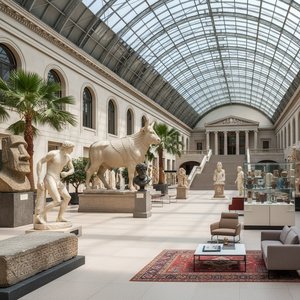
Tutustu British Museumin 25 vaikuttavimpaan mestariteokseen! Uppoudu historian ja taiteen maailmaan – egyptiläisistä aarteista Elginin marmoreihin. Löydä inspiraatiota kotiisi Most-Famous-Paintings.com:sta, jossa tarjoamme korkealaatuisia taide-reproduktioita ja sisustusehdotuksia. Tutki kokoelma verkossa!

Explore the captivating world of Johann Zoffany, master portraitist of Georgian society. Discover his unique 'conversation pieces,' imperial commissions & lasting legacy. A guide for discerning collectors.

Explore the enchanting world of Arthur Rackham (1867-1939), a leading figure in British Golden Age illustration. Discover his iconic fairy tale art, classic book illustrations & lasting legacy. Learn more at Most-Famous-Paintings.


Pysy ajan tasalla uusimmista taideuutisista, eksklusiivisista tarjouksista ja sisustusideoista.
Kerro meille projektistasi, niin taideasiantuntijamme tarjoavat sinulle kolme henkilökohtaista taidesuositusta.
Anna meidän kuratoida 3 vaihtoehtoa juuri sinulle – Ilmaiseksi!


 Esikatselu
 Jaa
Jaa Jaa
Jaa
 Tarkemmat tiedot

 Lataa
Lataa
 Samanlaisia
 Röntgenkuva
 Diaesitys
 Näytä lisää







 Lasivaihtoehto on saatavilla vain alle 110 cm kokoisina teoksina


