


x

Museolaatuisia giclée- tai kankaitaulun tulosteita nopealla tuotannolla ja joustavilla viimeistelyvaihtoehdoilla. ( Osta käsintehty maalaus Osta kuva)





























Valitse valmiista mitoistamme sellaiset, jotka vastaavat teoksen alkuperäisiä mittasuhteita.

Voit syöttää omat mitat sopiaksesi tiettyyn kehykseen tai tilaan. Jos valittu koko ei vastaa alkuperäisen kuvan mittasuhteita, rajaamme teosta tai laajennamme kuvaa peilatulla tai yhtenäisellä reunalla. Digitaalinen mallikuva lähetetään hyväksyttäväksi ennen tuotannon aloittamista.
Huomaathan, että näytöllä näkyvä esikatselu ei vastaa lopullista rajausta tai laajennusta. Vain mallikuva näyttää lopullisen sommittelun tarkasti.
Vaikka räätälöityjä kokoja on saatavilla, suosittelemme valitsemaan mitat valmiista listasta alkuperäisten mittasuhteiden säilyttämiseksi.
Toimitus maailmanlaajuisesti () kahdessa viikossa tavallisen 4–5 viikon sijaan. (23 elokuu)


At the Garden Table
Replikaatin koko
August Macke's At the Garden Table is a captivating oil on canvas painting created in 1914, offering a vibrant and intimate portrayal of everyday life through the lens of Fauvism. This artwork exemplifies Macke’s unique ability to distill complex scenes into elegant compositions characterized by bold colors and energetic brushstrokes. The piece, now residing within the esteemed collection of the Baltimore Museum of Art, invites viewers to step into a tranquil garden setting where two figures engage in quiet contemplation.
August Robert Ludwig Macke (1887-1914) was a pivotal figure in the German Expressionist movement. Born in Meschede, Germany, his artistic journey began at the Kunstakademie Düsseldorf. Initially influenced by Impressionism and Post-Impressionism, Macke's style underwent a significant transformation following his exposure to French Fauvism. A crucial turning point arrived with his encounter with Robert Delaunay in Paris (1912), which introduced him to Chromatic Cubism or Orphism – a style he incorporated into works like Shops Windows, blending it with the dynamism of Italian Futurism. As a member of Der Blaue Reiter (The Blue Rider) group, Macke sought to express inner emotions and spiritual experiences through color and form, departing from traditional representational art.
At the Garden Table showcases several defining characteristics of Macke’s artistic approach. The painting depicts two individuals seated at a table within a lush garden environment, surrounded by vibrant greenery and colorful flowers. Macke's masterful use of bold, saturated colors—ranging from striking greens and yellows to deep blues and reds—creates an immediate sense of energy and visual excitement. Geometric shapes are strategically employed to structure the composition, fostering a feeling of harmony and balance despite the seemingly spontaneous brushwork. The flattened perspective contributes to the painting’s immediacy, drawing the viewer into the scene. Macke's skillful manipulation of light and shadow adds depth and dimension, enhancing the overall sense of warmth and intimacy.
Created in 1914, just before the outbreak of World War I, At the Garden Table reflects a yearning for tranquility and beauty amidst growing societal unrest. The painting’s subject matter—a simple scene of everyday life—can be interpreted as a celebration of ordinary moments and human connection. While seemingly straightforward, the artwork also carries symbolic weight. The garden setting itself can represent paradise or an idyllic escape from the harsh realities of the world. Macke's vibrant color palette may symbolize joy, vitality, and optimism, offering a counterpoint to the impending darkness of war. The painting’s style is distinctly Expressionistic, characterized by distorted forms, heightened colors, and an emphasis on conveying inner emotions.
At the Garden Table stands as a testament to August Macke's artistic genius and his contribution to the development of modern art. His unique style continues to inspire artists today, demonstrating the enduring power of color, composition, and emotional expression. The painting’s ability to evoke a sense of warmth, intimacy, and quiet contemplation makes it a truly captivating piece—a timeless reflection on the beauty of everyday life.


1887 - 1914 , Saksa

Tutustu Pierre-Auguste Renoirin 25 lumoavinta mestariteosta! Uppoudu impressionismin maailmaan, valon ja värien leikkiin. Taidehistoriaa, tekniikoita ja inspiraatiota sisustukseen Most-Famous-Paintings.comissa. Tutki kokoelma verkossa!

Explore the vibrant Expressionist paintings of August Macke (1887-1914). Discover his key role in Der Blaue Reiter, Fauvist influences, and captivating depictions of modern life. A comprehensive guide for art enthusiasts & collectors.

Explore the rich history of gardens in painting! Discover masterpieces from Renaissance to Impressionism & beyond. Learn about symbolism, artists like Monet & Klimt, and find your perfect artwork at Most-Famous-Paintings.
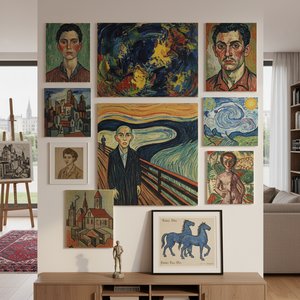
Tutustu 10 ekspressionismin mestariteokseen! Munchin Huuto, Kandinskyn värit ja Die Brücken taidemaalarit. Taidetta kotiisi – löydä inspiraatiota ja korkealaatuiset taidevedokset Most-Famous-Paintings.com:ista.
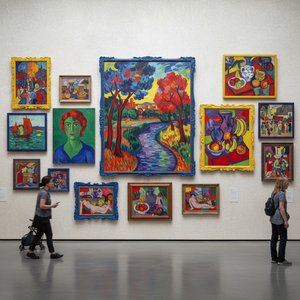
Tutustu fauvismin 10 ikonista mestariteosta! Uppoudu Henri Matissen, André Derainin ja muiden taiteilijoiden värikylläiseen maailmaan. Löydä inspiraatiota kotiisi Most-Famous-Paintings.com:sta – laadukkaat taidekopiokset ja sisustusideat odottavat!


Pysy ajan tasalla uusimmista taideuutisista, eksklusiivisista tarjouksista ja sisustusideoista.
Kerro meille projektistasi, niin taideasiantuntijamme tarjoavat sinulle kolme henkilökohtaista taidesuositusta.
Anna meidän kuratoida 3 vaihtoehtoa juuri sinulle – Ilmaiseksi!


 Esikatselu
 Jaa
Jaa Jaa
Jaa
 Tarkemmat tiedot

 Lataa
Lataa
 Samanlaisia
 Röntgenkuva
 Diaesitys

 Näytä lisää







 Lasivaihtoehto on saatavilla vain alle 110 cm kokoisina teoksina


