


x


 Preview
 Tilaa painos Osta kuva
 Jaa
Jaa
 Tarkemmat tiedot
 Lisää suosikkeihin
 Lataa
Lataa
 Samanlaisia
 Röntgenkuva
 Diaesitys
Käsinmaalattu öljyväri kankaalle haluamassasi koossa ja kehyksissä, taiteilijoidemme valmistamana tilauksesta.





























Valitse valmiista mitoistamme sellaiset, jotka vastaavat teoksen alkuperäisiä mittasuhteita.

Voit syöttää omat mitat sopimaan tiettyyn kehykseen tai tilaan. Jos valitsemasi koko ei vastaa alkuperäisen kuvan mittasuhteita, rajaamme taideteoksen tai jatkamme maalausta käsin maalatuilla elementeillä. Digitaalinen esikatselu lähetetään hyväksyttäväksi ennen tuotannon aloittamista.
Huomioithan, että näytöllä oleva esikatselu ei vastaa todellista rajausta tai jatkamista. Vain digitaalinen mallikuva näyttää lopullisen sommittelun tarkasti.
Vaikka mittatilaustyöt ovat mahdollisia, suosittelemme valitsemaan mitan ennalta määritetystä listasta alkuperäisten mittasuhteiden säilyttämiseksi.
Maailmanlaajuinen toimitus () 3–4 viikossa tavallisen 5 viikon sijaan. (23 heinäkuu). Laadusta ei tingitä.


the immaculate conception
Replikaatin koko
Bartolomé Esteban Murillo's "The Immaculate Conception" isn’t merely a painting; it’s an immersion into the heart of 17th-century Spanish faith and artistic innovation. Completed around 1680, this oil on canvas masterpiece, currently residing in the Museo de Arte de Ponce in Puerto Rico, transcends its religious subject matter to become a profound meditation on grace, purity, and divine presence. Murillo, born in Seville amidst personal tragedy – the early loss of both parents – channeled his experiences into a style characterized by luminous color palettes, soft lighting, and an extraordinary ability to capture the delicate nuances of human emotion. This work stands as a testament to his skill and a captivating window into the fervent religious atmosphere of his time.
The painting immediately draws the eye with its overwhelming sense of serenity and light. A radiant glow emanates from behind Mary, bathing her in an ethereal luminescence that seems to defy earthly constraints. This dramatic chiaroscuro – the skillful contrast between light and shadow – isn’t simply a stylistic choice; it serves to elevate the Virgin to a realm beyond the mundane, suggesting her connection to the divine. The composition is carefully orchestrated, guiding the viewer's gaze towards Mary at its center, surrounded by an array of angels and symbolic elements that reinforce her sanctity.
Murillo’s genius lies not just in his technical prowess but also in his masterful use of symbolism. The painting is rich with carefully chosen objects each carrying a potent religious significance. A book, open and resting at Mary's feet, represents her intellectual devotion and connection to scripture. A bowl, often interpreted as symbolizing humility and selflessness, further emphasizes her role as the vessel through which Christ was born. But perhaps the most striking symbol is the crescent moon, subtly placed in the upper left corner – a direct reference to the biblical vision of Saint John the Evangelist (Revelation 12:1), depicting “a woman clothed with the sun, with the moon under her feet.” This imagery powerfully conveys Mary’s purity and connection to both the earthly and celestial realms.
The swirling clouds in the background aren't merely decorative; they create a sense of depth and movement, drawing the viewer into the divine realm. The diagonal lines formed by Mary’s flowing robes and the positioning of the angels contribute to this dynamic effect, guiding the eye through the composition with effortless grace. Notice also the careful attention to detail in the rendering of the cherubs – their youthful faces brimming with innocence and adoration, mirroring the purity of the scene they surround.
Murillo’s technique is a remarkable blend of realism and idealism. He meticulously renders the textures of Mary's robes, the delicate folds of her garments, and the subtle details of the angels’ wings. Yet, he simultaneously imbues the scene with an ethereal quality, achieved through his masterful use of light and color. The smooth blending of colors, the visible brushstrokes that add depth and texture, and the overall sense of polished refinement are hallmarks of Murillo's distinctive style. His work reflects influences from earlier masters like Francisco de Zurbarán and Jusepe de Ribera, but he ultimately developed a unique voice—one characterized by warmth, tenderness, and an unparalleled ability to capture the emotional essence of religious subjects.
The painting’s flattened perspective, typical of Baroque art, prioritizes emotional impact over strict realism. Depth is created through layering and atmospheric perspective in the background clouds, further enhancing the sense of spatial depth without sacrificing the overall feeling of serenity and devotion. “The Immaculate Conception” isn't simply a depiction of a religious event; it’s an invitation to contemplate the profound mysteries of faith, grace, and divine love – a timeless masterpiece brought to life through Murillo’s extraordinary talent.


1618 - 1682 , Espanja

Tutustu Claude Monet'n 25 mestariteokseen! Uppoudu impressionismin maailmaan, vesililyistä Rouenin katedraaliin. Löydä taideprintit ja inspiraatiota sisustukseesi Most-Famous-Paintings.comista. Tutki kokoelma verkossa!
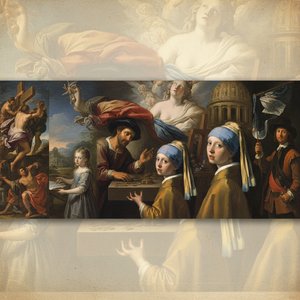
Uppoudu barokin loistokkuuteen! Tutustu Caravaggion, Rembrandtin ja Vermeerin kaltaisten mestareiden tunnetuimpiin teoksiin. Taidehistoriaa kotiisi – löydä upeat taidetulosteet ja canvas-taulut Most-Famous-Paintings.comista.

Uppoudu barokin loistokkuuteen! Tutustu Caravaggion, Rembrandtin ja Rubensin kaltaisten mestareiden ikonisiin maalauksiin. Taidehistoriaa kotiisi – löydä upeat öljyvärimaalaukset ja taideprintit Most-Famous-Paintings.com:sta. Explore the full collection online!
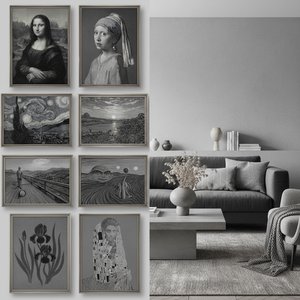
Tutustu 10 kuuluisimpaan harmaasävyiseen maalaukseen! Impressionismista abstraktiin – taidehistorian mestariteoksia ja niiden tarinat. Löydä inspiraatiota sisustukseesi Most-Famous-Paintings.fi:stä. Tutki kokoelma verkossa!

Explore the captivating world of Bartolomé Esteban Murillo, a master of Spanish Baroque painting. Discover his luminous religious scenes, tender genre paintings & lasting legacy in Golden Age Seville. Learn more at Most-Famous-Paintings.


Pysy ajan tasalla uusimmista taideuutisista, eksklusiivisista tarjouksista ja sisustusideoista.
Kerro meille projektistasi, niin taideasiantuntijamme tarjoavat sinulle kolme henkilökohtaista taidesuositusta.
Anna meidän kuratoida 3 vaihtoehtoa juuri sinulle – Ilmaiseksi!


 Jaa
Jaa


 Näytä lisää







 Lasivaihtoehto on saatavilla vain alle 110 cm kokoisina teoksina


