x

Käsinmaalattu öljyväri kankaalle haluamassasi koossa ja kehyksissä, taiteilijoidemme valmistamana tilauksesta. ( Osta printti Osta kuva)





























Valitse valmiista mitoistamme sellaiset, jotka vastaavat teoksen alkuperäisiä mittasuhteita.

Voit syöttää omat mitat sopimaan tiettyyn kehykseen tai tilaan. Jos valitsemasi koko ei vastaa alkuperäisen kuvan mittasuhteita, rajaamme taideteoksen tai jatkamme maalausta käsin maalatuilla elementeillä. Digitaalinen esikatselu lähetetään hyväksyttäväksi ennen tuotannon aloittamista.
Huomioithan, että näytöllä oleva esikatselu ei vastaa todellista rajausta tai jatkamista. Vain digitaalinen mallikuva näyttää lopullisen sommittelun tarkasti.
Vaikka mittatilaustyöt ovat mahdollisia, suosittelemme valitsemaan mitan ennalta määritetystä listasta alkuperäisten mittasuhteiden säilyttämiseksi.
Maailmanlaajuinen toimitus () 3–4 viikossa tavallisen 5 viikon sijaan. (17 elokuu). Laadusta ei tingitä.


Katuhuulet
Replikaatin koko
Édouard Manet’s “The Street Singer,” painted in 1862, isn't merely a portrait; it’s a carefully constructed tableau vivant—a snapshot of urban life brimming with quiet observation and subtle social commentary. This captivating work, currently residing within the esteemed Museum of Fine Arts in Boston, offers a rare glimpse into the burgeoning modernism that was reshaping the art world at the time. It's a piece that invites prolonged contemplation, revealing layers of meaning beneath its seemingly simple composition.
At first glance, the painting presents a straightforward depiction: a young woman, Victorine Meurent, stands before a nondescript doorway, her hand delicately touching her face, a guitar case resting at her feet. The scene unfolds outdoors, subtly suggested by the presence of a stray cat nestled on the left side of the canvas – a detail that anchors the image firmly within the realities of Parisian streets. However, Manet’s genius lies in his masterful manipulation of light and shadow, creating an atmosphere of both intimacy and detachment. He employs a loose, expressive brushstroke—a hallmark of his style—that eschews the smooth, polished surfaces favored by academic painters. Instead, he uses visible strokes to build form and texture, imbuing the scene with a palpable sense of immediacy.
“The Street Singer” represents a pivotal shift in Manet’s artistic trajectory and, more broadly, in the course of Western painting. Moving away from the idealized depictions prevalent in earlier portraiture, Manet presents his subject with an unvarnished honesty. Victorine's face is not meticulously rendered; instead, it possesses a certain weariness, a hint of melancholy that speaks to her life as a street performer. Her gaze is averted, suggesting a private world beyond the viewer’s perception. This deliberate choice challenged the conventions of the Salon, where idealized beauty and heroic narratives were typically prioritized.
Manet's technique further underscores this revolutionary approach. He utilizes a muted color palette—primarily browns, grays, and ochres—to create a sense of atmospheric depth. The light, diffused by the overcast sky, casts soft shadows across Victorine’s face and clothing, highlighting her features without resorting to dramatic contrasts. This subtle illumination is reminiscent of the work of Velázquez, one of Manet’s admired influences, yet he adapts this technique to suit his own modern sensibility.
“The Street Singer” was painted during a period of rapid social and economic change in Paris. Street musicians like Victorine were an integral part of Parisian life, providing music for passersby in exchange for coins. Manet’s decision to depict her in such a candid manner—without romanticizing or idealizing her situation—was a bold statement about the realities of working-class existence.
Furthermore, the painting can be interpreted as a commentary on the changing role of women in society. Victorine's position as a street performer challenges traditional notions of female virtue and domesticity. She is an independent figure, navigating the complexities of urban life with resilience and dignity. The inclusion of the cat adds another layer of symbolism—a reminder of the animalistic instincts that persist beneath the veneer of civilization.
“The Street Singer” stands as a cornerstone of modern art, paving the way for Impressionists like Monet and Renoir. Manet’s emphasis on capturing fleeting moments, his use of unconventional subjects, and his rejection of academic conventions profoundly influenced subsequent generations of artists. The painting's enduring appeal lies in its ability to evoke a sense of nostalgia for a bygone era while simultaneously offering a poignant reflection on the human condition. It is a testament to Manet’s artistic vision—a window into Parisian life, a celebration of urban beauty, and a powerful statement about the complexities of modern society.


1832 - 1883 , Ranska
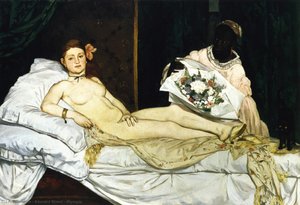
Tutustu Édouard Manetin 25 mestariteokseen! Uppoudu impressionismin maailmaan ja opi taiteilijan tarina sekä ikonisten maalausten merkitys. Löydä upeita seinätaideteoksia kotiisi Most-Famous-Paintingsilta. Tutki kokoelma verkossa!

Explore 25 iconic John Singer Sargent paintings – from dazzling portraits to Impressionist landscapes. Discover the stories behind Madame X, El Jaleo & more! Find museum-quality art reproductions and elevate your home decor with Most-Famous-Paintings.com.

Journey through Impressionistic Realism with 10 iconic masterpieces by Monet, Renoir & Van Gogh. Explore art history, techniques & find museum-quality reproductions for your home at Most-Famous-Paintings.com. Discover all masterpieces online!
Explore 10 defining masterpieces of Romantic Realism! Discover Courbet, Millet & Daumier's powerful paintings—capturing emotion and social realities. Find museum-quality reproductions for your home at Most-Famous-Paintings.com.

Explore the captivating world of Alfred Stevens, a pioneer of intimate realism & Symbolist painting. Discover his elegant portraits of Parisian women and learn about his Dutch influences & lasting legacy. Art history insights at Most-Famous-Paintings.


Pysy ajan tasalla uusimmista taideuutisista, eksklusiivisista tarjouksista ja sisustusideoista.
Kerro meille projektistasi, niin taideasiantuntijamme tarjoavat sinulle kolme henkilökohtaista taidesuositusta.
Anna meidän kuratoida 3 vaihtoehtoa juuri sinulle – Ilmaiseksi!


 Esikatselu
 Jaa
Jaa Jaa
Jaa
 Tarkemmat tiedot

 Lataa
Lataa
 Samanlaisia
 Röntgenkuva
 Diaesitys


 Näytä lisää







 Lasivaihtoehto on saatavilla vain alle 110 cm kokoisina teoksina