


x

 Oil On CanvasWallArtArt Nouveau
 1913
1913 80.0 x 89.0 cm
Osta korkearesoluutioinen, parannettu digitaalikuva, joka on laadultaan huomattavasti parempi kuin verkkosivuston esikatselu.
Jokainen tiedosto valmistellaan huolellisesti omien asiantuntijoidemme toimesta käyttäen edistyneitä työkaluja ja ammattitaitoista manuaalista retusointia. Varmistamme, että jokaisessa kuvassa on poikkeuksellinen selkeys, tarkka värintoisto ja hienovaraiset yksityiskohdat.
Lopputiedosto toimitetaan sähköpostitse 72 tunnin kuluessa, ja se on optimoitu välittömään käyttöön ammattimaisissa, toimituksellisissa ja painoympäristöissä. Laatu on sama, johon huipputason suunnittelustudiot, kustantajat ja galleriat luottavat.
Lataa korkearesoluutioinen tiedosto henkilökohtaiseen näyttelyyn, tulostamiseen ja luoviin projekteihin. ( Osta printti Osta käsintehty maalaus)
Kun valitset Most-Famous-Paintings.com-palvelun, et saa vain kuvaa – saat ammattimaisesti parannetun digitaalisen taideteoksen, joka on luotu tarkkuudella ja jonka takaa tulee tyytyväisyystakuu. Tässä on kaikki, mitä tilauksesi sisältää, automaattisesti:

Korkearesoluutioinen digitaalinen kuvatiedostosi lähetetään sähköpostiisi 72 tunnin kuluessa tilauksesta – valmiina käytettäväksi välittömästi.

Taiteilijasi teos on optimoitu ammattimaisesti edistyneiden tekoälytyökalujen ja manuaalisen muokkauksen avulla, mikä takaa maksimaalisen yksityiskohtaisuuden, selkeyden ja väritarkkuuden.

Oletko vahingossa poistanut tai kadottanut tiedostosi? Ei hätää – lähetämme sen sinulle uudelleen milloin tahansa täysin maksutta.

Nauti taiteestasi välittömästi ilman tulleja, veroja tai toimitusmaksuja – digitaaliset lataukset ovat aina verovapaita.

Varmistamme, että digitaalinen kuvasi vastaa alkuperäisiä värejä mahdollisimman tarkasti käyttämällä ammattilaistason työkaluja ja värinhallintaa.

Jos et ole tyytyväinen digitaaliseen kuvaasi, muokkaamme sitä tai palautamme 100% takaisin 60 päivän kuluessa – ilman kysymyksiä.

Etkö ole tyytyväinen? Saat täyden hyvityksen 60 päivän kuluessa digitaalisen tiedostosi vastaanottamisesta – ilman kyselyitä.

Osta 3 kuvaa, säästä 10% - Osta 5, säästä 15% - Osta 10+, säästä 20%. Erinomainen valinta luoviin projekteihin, gallerioille ja toimistoille.
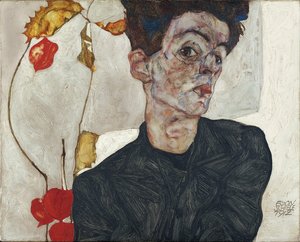
Egon Schiele's "Sawmill," painted in 1913, isn’t merely a depiction of a rustic building; it’s a raw, intensely personal glimpse into the anxieties and beauty of early 20th-century Austria. Created during a period of profound upheaval – both personally for Schiele and politically across Europe – the painting vibrates with an unsettling energy that belies its seemingly simple subject matter. The scene unfolds within a landscape dominated by muted browns and greens, punctuated by the stark geometry of the sawmill itself. This structure, rendered in warm, earthy tones, becomes a focal point, simultaneously representing industry and a brutal confrontation with mortality. Schiele’s masterful use of texture, achieved through thick, impasto brushstrokes, imbues the canvas with a palpable sense of movement – you can almost hear the rhythmic groan of the machinery and feel the dampness of the surrounding hillside.
“Sawmill” firmly resides within the realm of Art Nouveau, though it transcends mere stylistic adherence. While embracing the movement’s emphasis on sinuous lines and organic forms – evident in the undulating curves of the hillside and the suggestion of human figures within the building – Schiele injects a distinctly unsettling quality. Unlike the often-idealized representations of nature found in some Art Nouveau works, Schiele's landscape is imbued with a sense of vulnerability and decay. The muted palette and the stark contrast between light and shadow contribute to this feeling, hinting at an underlying melancholy. The painting’s composition feels deliberately unbalanced, mirroring perhaps the artist’s own internal struggles.
Beyond its formal elements, “Sawmill” is rich with symbolic weight. The sawmill itself has become a potent symbol of labor, industry, and ultimately, mortality. It represents the relentless cycle of production and destruction, mirroring Schiele’s preoccupation with death – a theme that permeated much of his oeuvre following the loss of his father. The small building adjacent to the main structure could be interpreted as a refuge, a place of rest or perhaps even a tomb, further reinforcing the painting's somber mood. The placement of these structures within the vast landscape emphasizes humanity’s smallness and vulnerability in the face of nature’s power.
Understanding Egon Schiele requires acknowledging the profound impact of his personal life. Born in Vienna in 1890, Schiele's early years were marked by illness and loss – a tragedy that profoundly shaped his artistic vision. His father’s death from syphilis at the age of fourteen cast a long shadow over his psyche, fueling an obsession with themes of mortality, fragility, and the human condition. This emotional intensity is powerfully conveyed in “Sawmill,” where every brushstroke seems to carry the weight of unspoken grief. His unique style, characterized by elongated figures, distorted perspectives, and a raw, expressive quality, continues to captivate viewers today. The painting stands as a testament to his ability to transform personal pain into enduring artistic expression.
For those seeking to experience the power of Schiele’s vision firsthand, Most-Famous-Paintings.com offers meticulously crafted oil painting reproductions of “Sawmill.” These handmade reproductions capture not only the visual details but also the emotional depth and textural richness of the original, allowing you to bring this poignant work into your own space.

1890 - 1918 , Itävalta-Unkari


Pysy ajan tasalla uusimmista taideuutisista, eksklusiivisista tarjouksista ja sisustusideoista.
Kerro meille projektistasi, niin taideasiantuntijamme tarjoavat sinulle kolme henkilökohtaista taidesuositusta.
Anna meidän kuratoida 3 vaihtoehtoa juuri sinulle – Ilmaiseksi!


 Esikatselu
 Jaa
Jaa Jaa
Jaa
 Tarkemmat tiedot

 Lataa
Lataa
 Samanlaisia
 Röntgenkuva
 Diaesitys
 Näytä lisää


