x

Käsinmaalattu öljyväri kankaalle haluamassasi koossa ja kehyksissä, taiteilijoidemme valmistamana tilauksesta. ( Osta printti Osta kuva)





























Valitse valmiista mitoistamme sellaiset, jotka vastaavat teoksen alkuperäisiä mittasuhteita.

Voit syöttää omat mitat sopimaan tiettyyn kehykseen tai tilaan. Jos valitsemasi koko ei vastaa alkuperäisen kuvan mittasuhteita, rajaamme taideteoksen tai jatkamme maalausta käsin maalatuilla elementeillä. Digitaalinen esikatselu lähetetään hyväksyttäväksi ennen tuotannon aloittamista.
Huomioithan, että näytöllä oleva esikatselu ei vastaa todellista rajausta tai jatkamista. Vain digitaalinen mallikuva näyttää lopullisen sommittelun tarkasti.
Vaikka mittatilaustyöt ovat mahdollisia, suosittelemme valitsemaan mitan ennalta määritetystä listasta alkuperäisten mittasuhteiden säilyttämiseksi.
Maailmanlaajuinen toimitus () 3–4 viikossa tavallisen 5 viikon sijaan. (14 elokuu). Laadusta ei tingitä.


untitled (8356)
Replikaatin koko
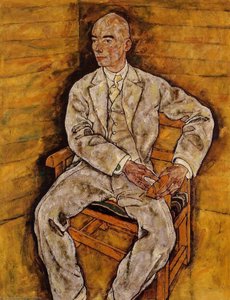
Egon Schiele's "untitled (8356)" is not merely a portrait; it’s a raw, unsettling glimpse into the psyche of a tormented artist grappling with mortality, sexuality, and the anxieties of early 20th-century Europe. Painted in 1917, during a period of intense personal struggle for Schiele – marked by illness, loss, and the looming shadow of World War I – this work embodies his signature Expressionist style: bold lines, distorted forms, and an unnerving intensity that refuses to offer easy answers.
The subject, a woman with a strikingly unusual expression, dominates the composition. Her mouth hangs slightly open in what appears to be a forced smile or perhaps a grimace of discomfort, her eyes wide and unblinking. This unsettling facial distortion is central to the painting’s power, immediately drawing the viewer into a space of unease and questioning. The background—a simple wall adorned with a clock and two books – provides a stark contrast to the woman's intense presence, suggesting a sense of isolation and perhaps a preoccupation with time and knowledge.
Schiele’s technique is instantly recognizable. He employs rapid, agitated brushstrokes that create a palpable sense of movement and instability. The lines are not smooth or refined; they are jagged, broken, and deliberately distorted – mirroring the emotional turmoil he sought to convey. Notice how the woman's features are elongated and exaggerated, her body subtly twisted as if caught in an awkward pose. This deliberate distortion isn’t simply stylistic; it’s a visual representation of psychological strain and vulnerability.
The use of color is equally significant. The palette is muted – predominantly browns, ochres, and greys—contributing to the painting's somber mood. However, Schiele strategically employs small bursts of brighter tones, particularly in the woman’s eyes, which seem to pierce through the darkness, demanding attention and revealing a flicker of underlying emotion.
Schiele's work is deeply intertwined with the anxieties of his time. The painting reflects the pervasive sense of uncertainty and disillusionment that gripped Europe in the wake of World War I, as well as a broader preoccupation with death and decay—themes frequently explored by Schiele throughout his oeuvre. The clock in the background serves as a potent symbol of mortality, reminding us of the relentless passage of time and the inevitability of our own demise.
Furthermore, the painting can be interpreted through the lens of Freudian psychology. The woman’s expression—a mixture of amusement and discomfort—suggests a complex interplay of desire and repression. Schiele was fascinated by sexuality and often depicted it in unconventional ways, challenging societal norms and exploring the darker aspects of human experience. The presence of the books hints at intellectual pursuits but also perhaps an inability to find solace or answers within them.
"untitled (8356)" is a profoundly moving work that continues to resonate with viewers today. Most-Famous-Paintings offers meticulously crafted, hand-painted reproductions of this iconic painting, allowing you to experience its emotional depth and artistic brilliance in stunning detail. These reproductions capture not only the visual elements but also the very spirit of Schiele’s vision—a testament to his unique talent and enduring legacy. Consider adding this powerful image to your collection or incorporating it into your interior design – a reminder of the complexities of human emotion and the beauty found within vulnerability.
To learn more about Egon Schiele's life, artistic influences, and other significant works, explore our artist database or read our comprehensive article: Egon Schiele: Expressionism, Anxiety & the Modern Condition – A Comprehensive Exploration. For a deeper dive into one of his most famous paintings, you can find information on “Death and the Maiden (Schiele)” here: Wikipedia Search.

1890 - 1918 , Itävalta-Unkari
Tutustu Egon Schielen 25 vaikuttavinta teosta! Uppoudu ekspressionismin maailmaan, ihmiskuvauksen syvyyteen ja tunteelliseen taiteeseen. Löydä inspiraatiota sisustukseen ja korkealaatuiset taideprintit Most-Famous-Paintings.com-sivustolta. Tutki kokoelma verkossa!

Explore the emotionally charged world of Egon Schiele (1890-1918). Discover his Expressionist masterpieces, psychological themes, and lasting impact on modern art. A comprehensive guide for collectors & enthusiasts.
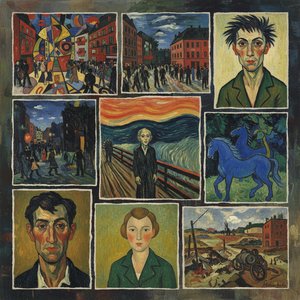
Tutustu 10 ekspressionismin mestariteokseen! Munchin, Nolden ja muiden taiteilijoiden tunteelliset maalaukset heräävät henkiin. Löydä inspiraatiota kotiisi – korkealaatuiset taideprintit Most-Famous-Paintings.com:ssa. Tutustu kokoelmaan verkossa!
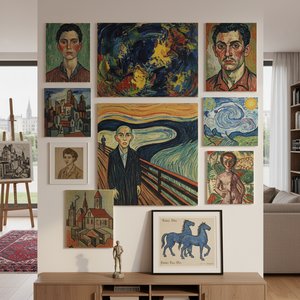
Tutustu 10 ekspressionismin mestariteokseen! Munchin Huuto, Kandinskyn värit ja Die Brücken taidemaalarit. Taidetta kotiisi – löydä inspiraatiota ja korkealaatuiset taidevedokset Most-Famous-Paintings.com:ista.

Elevate your artistic practice with this expert guide to mastering the line. Discover advanced techniques in graphite, charcoal, and contour drawing designed for art students seeking technical precision and expressive depth in their fine art studies.


Pysy ajan tasalla uusimmista taideuutisista, eksklusiivisista tarjouksista ja sisustusideoista.
Kerro meille projektistasi, niin taideasiantuntijamme tarjoavat sinulle kolme henkilökohtaista taidesuositusta.
Anna meidän kuratoida 3 vaihtoehtoa juuri sinulle – Ilmaiseksi!


 Esikatselu
 Jaa
Jaa Jaa
Jaa
 Tarkemmat tiedot

 Lataa
Lataa
 Samanlaisia
 Röntgenkuva
 Diaesitys
 Näytä lisää







 Lasivaihtoehto on saatavilla vain alle 110 cm kokoisina teoksina