x

 Akryyli kankaalleSeinätaideMannerismi
 1608Renessanssi
 112.0 x 92.0 cm
 Metropolitanin museo
Museolaatuisia giclée- tai kankaitaulun tulosteita nopealla tuotannolla ja joustavilla viimeistelyvaihtoehdoilla. ( Osta käsintehty maalaus Osta kuva)





























Valitse valmiista mitoistamme sellaiset, jotka vastaavat teoksen alkuperäisiä mittasuhteita.

Voit syöttää omat mitat sopiaksesi tiettyyn kehykseen tai tilaan. Jos valittu koko ei vastaa alkuperäisen kuvan mittasuhteita, rajaamme teosta tai laajennamme kuvaa peilatulla tai yhtenäisellä reunalla. Digitaalinen mallikuva lähetetään hyväksyttäväksi ennen tuotannon aloittamista.
Huomaathan, että näytöllä näkyvä esikatselu ei vastaa lopullista rajausta tai laajennusta. Vain mallikuva näyttää lopullisen sommittelun tarkasti.
Vaikka räätälöityjä kokoja on saatavilla, suosittelemme valitsemaan mitat valmiista listasta alkuperäisten mittasuhteiden säilyttämiseksi.
Toimitus maailmanlaajuisesti () kahdessa viikossa tavallisen 4–5 viikon sijaan. (18 elokuu)


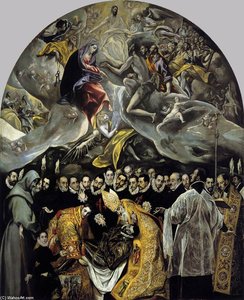
Laokoön (El Greco)
Replikaatin koko
Doménikos Theotokópoulos, universally known as El Greco (1541–1614), stands apart from his contemporaries—a painter whose artistic journey traversed Venice and Rome before finding its ultimate expression in the spiritual heartland of Spain: Toledo. He wasn’t merely a product of these places; he synthesized their influences into something wholly unique, a style that anticipated the emotional intensity of Expressionism and the fragmented forms of Cubism centuries later. His early training within the Byzantine tradition instilled in him a meticulous attention to detail and a profound understanding of religious iconography—a foundation that wouldn’t confine him.
El Greco's distinctive Mannerist aesthetic—characterized by elongated figures, dramatic poses, and vibrant, otherworldly pigments—immediately distinguishes his work from the serene idealism prevalent in Renaissance art. Unlike Michelangelo or Raphael, who sought to embody classical beauty and harmony, El Greco aimed for a visceral response from the viewer, conveying profound spiritual emotion.
“The Opening of the Fifth Seal,” arguably El Greco’s most celebrated masterpiece, depicts a scene from Revelation 6:9–11—the apocalypse. At its core is a man, positioned centrally, his arms outstretched in supplication, conveying an overwhelming sense of yearning and devotion. His robe glows with a luminous blue hue, mirroring the celestial realm and reinforcing the painting’s spiritual atmosphere.
Surrounding him are figures representing angels and saints—a complex interplay of light and shadow that underscores the narrative's dramatic tension. The artist meticulously rendered each detail, from the folds of drapery to the expressions on the faces of the participants, creating a visual experience rich in symbolism. Notably, the man’s hands symbolize openness and vulnerability, reaching upwards towards divine grace.
El Greco's technique is marked by an extraordinary mastery of oil paint—a medium he skillfully manipulated to achieve unprecedented levels of luminosity and expressive force. He achieved this remarkable effect through a process known as “sfumato”—a subtle blending of tones—that softened contours and created an ethereal haze, enhancing the painting’s otherworldly beauty.
Unlike many artists of his time who prioritized anatomical accuracy, El Greco deliberately distorted proportions to heighten emotional impact. Figures appear elongated and stylized, defying naturalistic representation in favor of conveying spiritual truth. This stylistic choice aligns perfectly with the painting’s overarching theme: a rejection of earthly constraints in favor of transcendence.
Commissioned for the Hospital of Saint John the Baptist in Toledo, Spain, “The Opening of the Fifth Seal” reflects the fervent piety of its patrons—Cardinal Juan de Tavera and his successors—who sought solace and inspiration from religious imagery during a turbulent period marked by political instability and social upheaval.
Interestingly, the painting was cut at the top when it was originally conceived as part of a larger altarpiece. The missing portion would have depicted the Throne of God—a powerful symbol of divine authority—further emphasizing the scene’s apocalyptic grandeur. Despite its fragmentary state, “The Opening of the Fifth Seal” remains an enduring testament to El Greco's artistic genius and his ability to capture the essence of spiritual experience.
Most-Famous-Paintings offers meticulously crafted oil paintings that faithfully recreate El Greco’s luminous palette and dramatic composition—allowing you to bring this iconic artwork into your home and immerse yourself in its profound beauty.

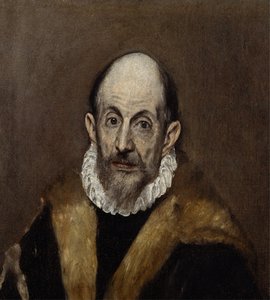
1541 - 1614 , Kreikka
Explore the dramatic transition from High Renaissance harmony to Mannerist tension. Discover how masters like El Greco redefined art through distortion and spiritual intensity. An expert guide for art enthusiasts seeking deep historical context and museum-quality inspiration.

Explore the dramatic evolution of Mannerism from High Renaissance perfection to El Greco's spiritual intensity. Discover the history, techniques, and enduring legacy of this transformative era through an expert art-history lens.


Pysy ajan tasalla uusimmista taideuutisista, eksklusiivisista tarjouksista ja sisustusideoista.
Kerro meille projektistasi, niin taideasiantuntijamme tarjoavat sinulle kolme henkilökohtaista taidesuositusta.
Anna meidän kuratoida 3 vaihtoehtoa juuri sinulle – Ilmaiseksi!


 Esikatselu
 Jaa
Jaa Jaa
Jaa
 Tarkemmat tiedot

 Lataa
Lataa
 Samanlaisia
 Röntgenkuva
 Diaesitys
 Näytä lisää







 Lasivaihtoehto on saatavilla vain alle 110 cm kokoisina teoksina