x

Museolaatuisia giclée- tai kankaitaulun tulosteita nopealla tuotannolla ja joustavilla viimeistelyvaihtoehdoilla. ( Osta käsintehty maalaus Osta kuva)





























Valitse valmiista mitoistamme sellaiset, jotka vastaavat teoksen alkuperäisiä mittasuhteita.

Voit syöttää omat mitat sopiaksesi tiettyyn kehykseen tai tilaan. Jos valittu koko ei vastaa alkuperäisen kuvan mittasuhteita, rajaamme teosta tai laajennamme kuvaa peilatulla tai yhtenäisellä reunalla. Digitaalinen mallikuva lähetetään hyväksyttäväksi ennen tuotannon aloittamista.
Huomaathan, että näytöllä näkyvä esikatselu ei vastaa lopullista rajausta tai laajennusta. Vain mallikuva näyttää lopullisen sommittelun tarkasti.
Vaikka räätälöityjä kokoja on saatavilla, suosittelemme valitsemaan mitat valmiista listasta alkuperäisten mittasuhteiden säilyttämiseksi.
Toimitus maailmanlaajuisesti () kahdessa viikossa tavallisen 4–5 viikon sijaan. (18 elokuu)


not identified
Replikaatin koko
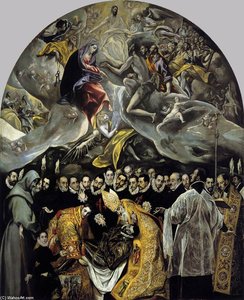
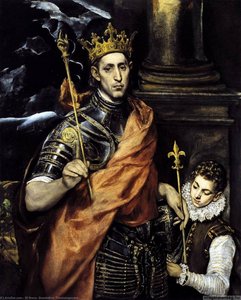
Doménikos Theotokópoulos, universally known as El Greco – “The Greek” – stands apart from his contemporaries not merely through nationality but through a singular artistic vision that anticipates movements centuries ahead of its time. Born in Crete in 1541, under Venetian rule, his journey encompassed Venice and Rome before finding its definitive expression in the spiritual landscape of Spain: Toledo. El Greco wasn’t simply absorbing influences; he synthesized them into an aesthetic utterly his own—a Mannerist style characterized by elongated figures, dramatic lighting, and a palpable emotional resonance.
This monochrome sketch offers a glimpse into El Greco’s creative process. Rendered primarily in shades of brown and beige on aged paper—a testament to its provenance—the artwork speaks volumes about the artist’s approach. Loose, gestural lines dominate the surface, conveying immediacy rather than meticulous detail. Shapes are simplified by contour lines, minimizing shading and modeling; this deliberate restraint emphasizes form and posture above realistic representation.
El Greco's artistic development was profoundly shaped by Byzantine iconography and Venetian Renaissance ideals. However, he transcended these traditions, forging a path toward stylistic innovation. His signature “Krḗs” – Cretan – served as a proud declaration of his roots, mirroring the broader humanist spirit of the era.
Notably, this sketch echoes the monumental sculpture Laocoön and His Sons in Rome—a work that captivated El Greco’s imagination and influenced his compositional choices. The style anticipates Expressionism's emotive intensity and Cubism's fragmented forms, demonstrating El Greco’s visionary grasp of artistic trends.
At this stage, the sketch prioritizes conveying the figure’s posture and drapery—minimal symbolic elements serve to heighten the emotional impact. The aged paper texture adds depth and authenticity, inviting contemplation on themes of faith, spirituality, and human vulnerability. Like many of El Greco's paintings, it embodies a profound sense of melancholy and introspection.
To delve deeper into El Greco’s artistic legacy, consider visiting the Museo de El Greco in Toledo, Spain—a meticulously recreated 16th-century home housing an impressive collection of his masterpieces. Admire ‘Christ on the Cross Adored by Donors,’ ‘Christ,’ and explore the Cathedral of Toledo, where you can witness El Greco's monumental paintings alongside Gothic grandeur.

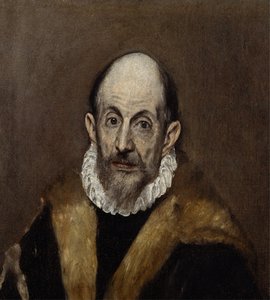
1541 - 1614 , Kreikka

Explore the profound history and technical mastery of charcoal art. From prehistoric origins to Renaissance chiaroscuro, learn the essential additive and subtractive techniques used by masters to capture light, shadow, and raw emotional depth in monochrome fine art.
Explore the dramatic transition from High Renaissance harmony to Mannerist tension. Discover how masters like El Greco redefined art through distortion and spiritual intensity. An expert guide for art enthusiasts seeking deep historical context and museum-quality inspiration.

Explore the profound history of drawing techniques, from Dürer's precision to the alchemy of graphite. Discover how masters use line, weight, and contour to capture the human spirit in this expert guide to art history and technical mastery.


Pysy ajan tasalla uusimmista taideuutisista, eksklusiivisista tarjouksista ja sisustusideoista.
Kerro meille projektistasi, niin taideasiantuntijamme tarjoavat sinulle kolme henkilökohtaista taidesuositusta.
Anna meidän kuratoida 3 vaihtoehtoa juuri sinulle – Ilmaiseksi!


 Esikatselu
 Jaa
Jaa Jaa
Jaa
 Tarkemmat tiedot

 Lataa
Lataa
 Samanlaisia
 Röntgenkuva
 Diaesitys
 Näytä lisää







 Lasivaihtoehto on saatavilla vain alle 110 cm kokoisina teoksina