Myy taiteesi
Toivelista Ostoskori Cart
EsikatseluEsikatselu Esikatsele AR-tilassaEsikatsele AR-tilassa Osta käsintehty maalaus Osta käsintehty maalausOsta kuva Osta kuva JaaJaa
Tarkemmat tiedotTarkemmat tiedot Lisää suosikkeihin Lisää suosikkeihin LataaLataa SamanlaisiaSamanlaisia RöntgenkuvaRöntgenkuva DiaesitysDiaesitys

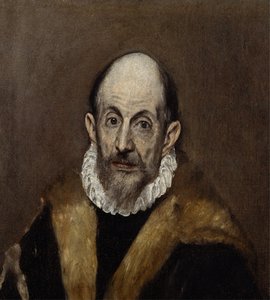
Study of a Head

El Grecon Laokoön on vaikuttava klassinen maalauksesi, joka tuo esiin kärsimyksen ja tragedian tunteet sekä häikäisevän värimaailman Toledoon. Tutustu täydelliseen yksityiskohtaan!

Giclée-printit ja taideprintit

Museolaatuisia giclée- tai kankaitaulun tulosteita nopealla tuotannolla ja joustavilla viimeistelyvaihtoehdoilla. (Osta käsintehty maalaus Osta käsintehty maalausOsta kuva Osta kuva)

P118B $10
P118H $10
P118W $10
P438Z $10
P508JH $12
P508YH $12
P805H $10
P805Z $10
P919BZ $10
P919G $10
P919XJ $10
P959ZH $10
P968JZ $12
W106C $8
W218G $10
W218JH $8
W218Y $10
W307PJ $10
W316G $10
W316PJ $8
W316Y $10
W398PJ $8
W4111J $10
W500HY $15
W500JH $15
W692G $12
W849H $8
W940BG $15
W953PJ $8

Standard
custom
CM
INCH

Valitse valmiista mitoistamme sellaiset, jotka vastaavat teoksen alkuperäisiä mittasuhteita.

leveys
korkeus

Voit syöttää omat mitat sopiaksesi tiettyyn kehykseen tai tilaan. Jos valittu koko ei vastaa alkuperäisen kuvan mittasuhteita, rajaamme teosta tai laajennamme kuvaa peilatulla tai yhtenäisellä reunalla. Digitaalinen mallikuva lähetetään hyväksyttäväksi ennen tuotannon aloittamista.
Huomaathan, että näytöllä näkyvä esikatselu ei vastaa lopullista rajausta tai laajennusta. Vain mallikuva näyttää lopullisen sommittelun tarkasti.
Vaikka räätälöityjä kokoja on saatavilla, suosittelemme valitsemaan mitat valmiista listasta alkuperäisten mittasuhteiden säilyttämiseksi.

Toimitus maailmanlaajuisesti () kahdessa viikossa tavallisen 4–5 viikon sijaan. (16 elokuu)

why_choose_icon
Ilmainen pikatoimitus ympäri maailman
why_choose_icon
Korkealaatuinen pellavakangas
why_choose_icon
Kattava kuljetusvakuutus
why_choose_icon
Tulliveron palautustakuu
why_choose_icon
Täydellinen värien vastaavuustakuu
why_choose_icon
60 päivän palautusoikeus (vain valmistusvirheet)
why_choose_icon
100% rahat takaisin -takuu
why_choose_icon
Määräalennus tarjous

Kokonaishinta

$ 68

reproduction

Study of a Head

Giclée-printit ja taideprintit

Replikaatin koko

-

Kokonaishinta

$ 68

Pikaista tietoa

  • Medium: Oil on Canvas
  • Movement: Mannerism
  • Notable elements or techniques: Dramatic lighting; elongated forms
  • Dimensions: 49.5 x 42.5 cm
  • Title: Study of a Head
  • Year: 1595
  • Location: Szépmûvészeti Múzeum, Budapest

Taidevisa

Jokaisessa kysymyksessä on vain yksi oikea vastaus.

Kysymys 1:
What artistic style is Study of a Head primarily associated with?
Kysymys 2:
Where is Study of a Head currently housed?
Kysymys 3:
El Greco's style blended influences from which two traditions?
Kysymys 4:
What is notable about the subject’s gaze in Study of a Head?
Kysymys 5:
The red cloth in Study of a Head is interpreted as symbolizing:

Teoksen kuvaus

A Study in Quiet Intensity: Exploring El Greco’s “Study of a Head”

Doménikos Theotokópoulos, universally known as El Greco – "the Greek" – remains an artist whose legacy transcends time. Born in Crete in 1541 amidst the Venetian dominion, his artistic odyssey unfolded across Venice and Rome before anchoring him firmly in Toledo, Spain, where he cultivated a singular style that foreshadowed movements like Expressionism and Cubism centuries hence. More than simply absorbing influences from these cities, El Greco synthesized them into an aesthetic utterly his own—a Mannerist masterpiece characterized by dramatic lighting, elongated figures, and profound emotional resonance. This captivating portrait, “Study of a Head,” painted in 1595, exemplifies the artist’s distinctive vision and continues to fascinate scholars and connoisseurs alike.
  • Subject Matter & Composition: The painting focuses intently on the human face—a deliberate choice reflecting El Greco's preoccupation with spirituality and introspection. A solitary man dominates the canvas, his gaze directed downwards, conveying a palpable sense of contemplation and perhaps even melancholy. The subtle inclusion of a crimson cloth in the background serves as an anchor for the eye, adding depth to the composition and hinting at hidden meanings.
  • Stylistic Characteristics: El Greco’s signature Mannerist style is immediately apparent. He employs elongated proportions—a hallmark of his technique—creating figures that appear almost ethereal, defying conventional anatomical accuracy. This stylistic decision wasn't merely an artistic preference; it served to heighten emotional impact and convey spiritual significance.
  • Technique & Materials: Executed in oil on canvas, “Study of a Head” demonstrates El Greco’s mastery of chiaroscuro—the dramatic interplay between light and shadow. This technique amplifies the psychological depth of the portrait, emphasizing the contours of the face and highlighting the man's expressive gaze.

Historical Context & Influences: Byzantine Roots and Venetian Echoes

El Greco’s artistic development was profoundly shaped by two crucial traditions: Byzantine iconography and Renaissance humanism. His Cretan upbringing instilled in him a meticulous attention to detail inherited from the Orthodox Church, while his formative years in Venice exposed him to humanist ideals championed by artists like Titian and Raphael. These influences blended seamlessly into El Greco's oeuvre, resulting in a style that simultaneously honored religious piety and explored the complexities of human experience—a testament to his intellectual curiosity.

Symbolism & Interpretation: The Crimson Cloth and Inner Reflection

Beyond its formal elements, “Study of a Head” is laden with symbolic significance. The crimson cloth – a color traditionally associated with passion and divine grace – draws attention to the subject’s face, prompting viewers to consider his inner world. El Greco's deliberate use of perspective—the man’s gaze focused downwards—suggests an engagement with profound contemplation and perhaps even spiritual yearning. It invites us to ponder questions of faith, mortality, and the human condition.

Legacy & Relevance Today: An Artist Ahead of His Time

El Greco's innovative approach to portraiture established him as a pivotal figure in art history. He bridged the gap between Renaissance idealism and Baroque drama, paving the way for subsequent artistic explorations into emotion and psychological realism. “Study of a Head” continues to resonate with audiences today because it captures something timeless—the enduring human desire for introspection and understanding. A reproduction of this remarkable artwork offers an opportunity to appreciate El Greco’s genius and immerse oneself in the contemplative beauty of Mannerist art.

Taiteilijan elämäkerta

Doménikos Theotokópoulos, called El Greco

Doménikos Theotokópoulos, known to the world as El Greco – “the Greek” – was a painter whose life and work defied easy categorization. Born in Crete, Greece (1541), his artistic journey took him through Venice and Rome before finding its ultimate expression in the spiritual heartland of Spain: Toledo. El Greco wasn’t merely a product of these places; he synthesized their influences into something wholly unique, a style that anticipated the emotional intensity of Expressionism and the fragmented forms of Cubism centuries later. His early training within the Byzantine tradition instilled in him a meticulous attention to detail and a profound understanding of religious iconography. This foundation, however, wouldn’t confine him. He signed his works in Greek, often appending “Krḗs” – Cretan – as a proud declaration of his origins, even as he ventured into new artistic territories. The seeds of his distinctive style were sown not just in technique but also in the fervent religious climate of his homeland and the rich tapestry of Venetian art.

Early Life and Artistic Training

Doménikos Theotokópoulos was born in Fodele (modern Candia), Crete, then under Venetian rule – a location steeped in Byzantine heritage. His father, Nikolaos Zacharias Kantakopoulos, was a wealthy merchant and administrator, providing him with a privileged upbringing that fostered his intellectual curiosity and nurtured his artistic inclinations from a young age. Unlike many artists of his time who pursued formal training in Florence or Rome, El Greco’s initial education took place primarily within the Cretan Orthodox Church tradition. He studied under Zacharias Konstantinos Kontoglou, a renowned icon painter who instilled in him a deep appreciation for Byzantine iconography and compositional principles—a legacy that would profoundly shape his artistic vision. This meticulous attention to detail and unwavering devotion to religious symbolism became hallmarks of his oeuvre throughout his career.

Venetian Influence: Embracing Innovation

Around 1567, El Greco embarked on a transformative journey to Venice – a city renowned for its vibrant artistic scene and the patronage of wealthy merchants and aristocrats. Immediately immersed in the milieu of Venetian masters like Titian, Tintoretto, and Veronese, he absorbed their mastery of color, composition, and dramatic lighting. He learned to loosen his brushwork, embracing the sensual qualities of oil paint and experimenting with innovative techniques that departed from traditional Byzantine conventions. This Venetian influence is vividly evident in early works such as *Saint Sebastian* (1600), where anatomical detail blends seamlessly with an almost theatrical use of light and shadow—a testament to El Greco’s willingness to push boundaries and explore new artistic horizons. The Venetian experience broadened his stylistic repertoire, preparing him for the challenges posed by the competitive Roman art world.

Roman Years: Seeking Recognition Amidst Mannerism

El Greco's arrival in Rome around 1570 coincided with the ascendancy of Mannerism – a style characterized by elongated figures, distorted perspectives, and sophisticated compositions that prioritized elegance and intellectual contemplation over naturalistic representation. While he demonstrated considerable talent and garnered admiration from some influential patrons—including Cardinal Giovanni Battista Castelli—El Greco struggled to gain widespread recognition in Rome’s artistic circles. The Roman art world was dominated by established artists who adhered to classical ideals of beauty and proportion, making it difficult for El Greco's unconventional style to find acceptance among the elite aesthetes of the era. Despite these setbacks, he continued to refine his technique and explore new expressive possibilities—a characteristic that would define his artistic trajectory throughout his Roman years.

Toledo: Spiritual Synthesis and Artistic Zenith

By 1577, El Greco relocated to Toledo – a city undergoing a fervent religious revival during the Counter-Reformation and home to numerous churches and monasteries eager to commission monumental artworks for devotional purposes. This move proved decisive in establishing El Greco’s artistic reputation and securing him access to influential patrons—most notably King Philip II, who recognized his singular talent and commissioned several ambitious projects that cemented his place among Spain's greatest artists. In Toledo, El Greco achieved his artistic zenith, producing masterpieces that epitomized his distinctive style—characterized by elongated figures imbued with spiritual fervor, dramatic lighting that evoked profound emotion, and vibrant colors that conveyed a sense of otherworldly beauty. His most celebrated works include *The Burial of the Count of Orgaz*, *View of Toledo*, *The Opening of the Fifth Seal*, and *Saint Sebastian*, each representing a culmination of his artistic explorations and embodying the spiritual ethos of his time. El Greco’s legacy extends far beyond his own lifetime, inspiring artists across centuries with his visionary style and unwavering devotion to religious expression—a testament to the enduring power of art to transcend temporal boundaries and communicate universal truths.
El Greco

El Greco

1541 - 1614 , Kreikka

Pikatiedot

  • Artistic Movement Or Style: Mannerismi ja Barroko
  • Artists Or Movements Influenced By This Artist:
    • Expressionismi
    • Cubismi
  • Artists Who Influenced This Artist:
    • Titian
    • Tintoretto
  • Date Of Birth: 1541 Kreeta
  • Date Of Death: 1614
  • Full Name: Doménikos Theotokópoulos
  • Nationality: Kreikkalainen
  • Notable Artworks:
    • Pyhä Mauricuksen marttyyrit
    • Laokoön
    • El Espolio
    • St. Sebastian
  • Place Of Birth: Kreeta, Greece
Tutustu teoksiin, jotka on järjestetty aiheiden, tyylien ja ominaisuuksien mukaan.