
Myy taiteesi
Toivelista Ostoskori Cart
EsikatseluEsikatselu Esikatsele AR-tilassaEsikatsele AR-tilassa Osta printti Osta printtiOsta käsintehty maalaus Osta käsintehty maalaus JaaJaa
Tarkemmat tiedotTarkemmat tiedot Lisää suosikkeihin Lisää suosikkeihin LataaLataa SamanlaisiaSamanlaisia RöntgenkuvaRöntgenkuva DiaesitysDiaesitys

The Annunciation

El Grecon Laokoön on vaikuttava klassinen maalauksesi, joka tuo esiin kärsimyksen ja tragedian tunteet sekä häikäisevän värimaailman Toledoon. Tutustu täydelliseen yksityiskohtaan!

Osta korkearesoluutioinen, parannettu digitaalikuva, joka on laadultaan huomattavasti parempi kuin verkkosivuston esikatselu.

Jokainen tiedosto valmistellaan huolellisesti omien asiantuntijoidemme toimesta käyttäen edistyneitä työkaluja ja ammattitaitoista manuaalista retusointia. Varmistamme, että jokaisessa kuvassa on poikkeuksellinen selkeys, tarkka värintoisto ja hienovaraiset yksityiskohdat.

Lopputiedosto toimitetaan sähköpostitse 72 tunnin kuluessa, ja se on optimoitu välittömään käyttöön ammattimaisissa, toimituksellisissa ja painoympäristöissä. Laatu on sama, johon huipputason suunnittelustudiot, kustantajat ja galleriat luottavat.

Digitaalinen kuva

Lataa korkearesoluutioinen tiedosto henkilökohtaiseen näyttelyyn, tulostamiseen ja luoviin projekteihin. (Osta printti Osta printtiOsta käsintehty maalaus Osta käsintehty maalaus)

Kokonaishinta

$ 24,90

Sisältyy jokaiseen digitaalisen kuvan tilaukseen

Asiantunteva digitaalinen toimitus, taattuun laatuun

Kun valitset Most-Famous-Paintings.com-palvelun, et saa vain kuvaa – saat ammattimaisesti parannetun digitaalisen taideteoksen, joka on luotu tarkkuudella ja jonka takaa tulee tyytyväisyystakuu. Tässä on kaikki, mitä tilauksesi sisältää, automaattisesti:

shipping_icon
Nopea digitaalinen toimitus

Korkearesoluutioinen digitaalinen kuvatiedostosi lähetetään sähköpostiisi 72 tunnin kuluessa tilauksesta – valmiina käytettäväksi välittömästi.

canvas_icon
Tekoälyllä parannettu digitaalinen tiedosto

Taiteilijasi teos on optimoitu ammattimaisesti edistyneiden tekoälytyökalujen ja manuaalisen muokkauksen avulla, mikä takaa maksimaalisen yksityiskohtaisuuden, selkeyden ja väritarkkuuden.

insurance_icon
Ilmainen elinikäinen uudelleenlähetyspalvelu

Oletko vahingossa poistanut tai kadottanut tiedostosi? Ei hätää – lähetämme sen sinulle uudelleen milloin tahansa täysin maksutta.

tax_icon
Ei tuontimaksuja – koskaan

Nauti taiteestasi välittömästi ilman tulleja, veroja tai toimitusmaksuja – digitaaliset lataukset ovat aina verovapaita.

color_icon
Värintoiston tarkkuustakuu

Varmistamme, että digitaalinen kuvasi vastaa alkuperäisiä värejä mahdollisimman tarkasti käyttämällä ammattilaistason työkaluja ja värinhallintaa.

return_icon
60 päivän tyytyväisyystakuu

Jos et ole tyytyväinen digitaaliseen kuvaasi, muokkaamme sitä tai palautamme 100% takaisin 60 päivän kuluessa – ilman kysymyksiä.

guarantee_icon
100% Rahat takaisin -takuu

Etkö ole tyytyväinen? Saat täyden hyvityksen 60 päivän kuluessa digitaalisen tiedostosi vastaanottamisesta – ilman kyselyitä.

discount_icon
Suurtilaaja-alennukset

Osta 3 kuvaa, säästä 10% - Osta 5, säästä 15% - Osta 10+, säästä 20%. Erinomainen valinta luoviin projekteihin, gallerioille ja toimistoille.

Pikaista tietoa

  • Dimensions: 114 x 67 cm
  • Artistic style: Expressionistic
  • Medium: Oil on panel
  • Title: The Annunciation
  • Influences:
    • Byzantine
    • Venetian
  • Location: Private Collection
  • Movement: Spanish Mannerism

Taidevisa

Jokaisessa kysymyksessä on vain yksi oikea vastaus.

Kysymys 1:
The painting ‘The Annunciation’ by El Greco depicts which biblical event?
Kysymys 2:
What is a key characteristic of El Greco’s style, evident in ‘The Annunciation’?
Kysymys 3:
The presence of musical instruments in ‘The Annunciation’ suggests what about the scene?
Kysymys 4:
In what city did El Greco primarily work during his later years, significantly influencing his style?
Kysymys 5:
El Greco’s use of Greek in his signatures signified:

Keräilykohteen kuvaus

A Moment of Divine Revelation: El Greco’s “The Annunciation”

El Greco's "The Annunciation," painted in 1597, isn’t merely a depiction of a biblical event; it’s an intensely felt experience. This masterpiece, measuring a modest 114 x 67 cm, pulsates with the artist’s unique vision – a synthesis of Byzantine rigor and a burgeoning emotionalism that would foreshadow movements centuries later. Born in Crete, Doménikos Theotokópoulos, known as El Greco, spent his formative years steeped in the traditions of Eastern Orthodox art, absorbing its meticulous detail and profound spiritual depth. Yet, he never remained confined by these roots. Toledo, Spain, became his adopted home, a city brimming with religious fervor and offering a fertile ground for his artistic evolution.

The scene itself is arresting: Mary, kneeling in humble reverence, receives the momentous news from the radiant angel Gabriel. The composition immediately draws the eye to the figures, rendered with an almost sculptural quality – elongated limbs, dramatically foreshortened perspectives, and faces imbued with a palpable sense of emotion. El Greco’s signature style—characterized by vibrant color palettes, swirling drapery, and a deliberate distortion of form—is powerfully evident here. He doesn't aim for photographic realism; instead, he seeks to convey the *feeling* of the event, the overwhelming weight of divine revelation.

The Dance of Color and Light

El Greco’s masterful use of color is central to the painting’s impact. The cool blues and purples dominating Mary's garments contrast sharply with the golden hues surrounding Gabriel, emphasizing his celestial status. Notice how he employs a technique known as *sfumato*, subtly blurring edges and creating an atmospheric haze that lends the scene an ethereal quality. This isn’t simply decorative; it contributes to the overall sense of otherworldly grace. The lighting is equally dramatic – a single, powerful beam illuminates Mary and Gabriel, casting long shadows and highlighting their expressions of awe and surprise.

Technically, El Greco employed oil paints on panel, a medium that allowed for rich color saturation and layering of textures. His brushwork is energetic and expressive, particularly in the swirling folds of the drapery and the intricate details of the angel’s wings. He built up his paint in multiple layers, creating a luminous surface that seems to glow from within. This meticulous approach, combined with his innovative use of perspective and color, distinguishes “The Annunciation” as a truly groundbreaking work.

Symbolism Woven into Sacred Narrative

Beyond the immediate depiction of the Annunciation, the painting is rich in symbolic meaning. The musical instruments – a violin and harp – are not merely decorative additions; they represent the music of heaven, suggesting that this divine revelation will be accompanied by praise and song. The archangel, often depicted with wings outstretched, symbolizes God’s boundless grace and his willingness to bestow blessings upon humanity. Mary's posture—kneeling in humility—underscores her acceptance of God’s will.

Furthermore, the setting itself is significant. The sparse background emphasizes the central figures, drawing attention to their spiritual encounter. The muted colors and lack of elaborate architectural details contribute to a sense of intimacy and immediacy, as if we are privileged witnesses to this momentous event.

A Timeless Expression of Faith

"The Annunciation" transcends its religious subject matter to become a profound meditation on faith, humility, and the encounter with the divine. El Greco’s ability to infuse his paintings with such raw emotion is what continues to captivate viewers centuries later. This reproduction captures not only the visual details of the original but also the spirit of wonder and reverence that it embodies. It's a piece perfect for adorning a prayer room, a study, or any space where contemplation and spiritual connection are valued. Most-Famous-Paintings offers exceptional quality reproductions, ensuring you experience the full power and beauty of this iconic work by one of art history’s most singular figures.
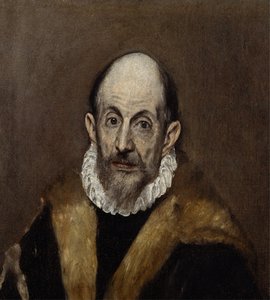

Taiteilijan elämäkerta

Doménikos Theotokópoulos, called El Greco

Doménikos Theotokópoulos, known to the world as El Greco – “the Greek” – was a painter whose life and work defied easy categorization. Born in Crete, Greece (1541), his artistic journey took him through Venice and Rome before finding its ultimate expression in the spiritual heartland of Spain: Toledo. El Greco wasn’t merely a product of these places; he synthesized their influences into something wholly unique, a style that anticipated the emotional intensity of Expressionism and the fragmented forms of Cubism centuries later. His early training within the Byzantine tradition instilled in him a meticulous attention to detail and a profound understanding of religious iconography. This foundation, however, wouldn’t confine him. He signed his works in Greek, often appending “Krḗs” – Cretan – as a proud declaration of his origins, even as he ventured into new artistic territories. The seeds of his distinctive style were sown not just in technique but also in the fervent religious climate of his homeland and the rich tapestry of Venetian art.

Early Life and Artistic Training

Doménikos Theotokópoulos was born in Fodele (modern Candia), Crete, then under Venetian rule – a location steeped in Byzantine heritage. His father, Nikolaos Zacharias Kantakopoulos, was a wealthy merchant and administrator, providing him with a privileged upbringing that fostered his intellectual curiosity and nurtured his artistic inclinations from a young age. Unlike many artists of his time who pursued formal training in Florence or Rome, El Greco’s initial education took place primarily within the Cretan Orthodox Church tradition. He studied under Zacharias Konstantinos Kontoglou, a renowned icon painter who instilled in him a deep appreciation for Byzantine iconography and compositional principles—a legacy that would profoundly shape his artistic vision. This meticulous attention to detail and unwavering devotion to religious symbolism became hallmarks of his oeuvre throughout his career.

Venetian Influence: Embracing Innovation

Around 1567, El Greco embarked on a transformative journey to Venice – a city renowned for its vibrant artistic scene and the patronage of wealthy merchants and aristocrats. Immediately immersed in the milieu of Venetian masters like Titian, Tintoretto, and Veronese, he absorbed their mastery of color, composition, and dramatic lighting. He learned to loosen his brushwork, embracing the sensual qualities of oil paint and experimenting with innovative techniques that departed from traditional Byzantine conventions. This Venetian influence is vividly evident in early works such as *Saint Sebastian* (1600), where anatomical detail blends seamlessly with an almost theatrical use of light and shadow—a testament to El Greco’s willingness to push boundaries and explore new artistic horizons. The Venetian experience broadened his stylistic repertoire, preparing him for the challenges posed by the competitive Roman art world.

Roman Years: Seeking Recognition Amidst Mannerism

El Greco's arrival in Rome around 1570 coincided with the ascendancy of Mannerism – a style characterized by elongated figures, distorted perspectives, and sophisticated compositions that prioritized elegance and intellectual contemplation over naturalistic representation. While he demonstrated considerable talent and garnered admiration from some influential patrons—including Cardinal Giovanni Battista Castelli—El Greco struggled to gain widespread recognition in Rome’s artistic circles. The Roman art world was dominated by established artists who adhered to classical ideals of beauty and proportion, making it difficult for El Greco's unconventional style to find acceptance among the elite aesthetes of the era. Despite these setbacks, he continued to refine his technique and explore new expressive possibilities—a characteristic that would define his artistic trajectory throughout his Roman years.

Toledo: Spiritual Synthesis and Artistic Zenith

By 1577, El Greco relocated to Toledo – a city undergoing a fervent religious revival during the Counter-Reformation and home to numerous churches and monasteries eager to commission monumental artworks for devotional purposes. This move proved decisive in establishing El Greco’s artistic reputation and securing him access to influential patrons—most notably King Philip II, who recognized his singular talent and commissioned several ambitious projects that cemented his place among Spain's greatest artists. In Toledo, El Greco achieved his artistic zenith, producing masterpieces that epitomized his distinctive style—characterized by elongated figures imbued with spiritual fervor, dramatic lighting that evoked profound emotion, and vibrant colors that conveyed a sense of otherworldly beauty. His most celebrated works include *The Burial of the Count of Orgaz*, *View of Toledo*, *The Opening of the Fifth Seal*, and *Saint Sebastian*, each representing a culmination of his artistic explorations and embodying the spiritual ethos of his time. El Greco’s legacy extends far beyond his own lifetime, inspiring artists across centuries with his visionary style and unwavering devotion to religious expression—a testament to the enduring power of art to transcend temporal boundaries and communicate universal truths.
El Greco

El Greco

1541 - 1614 , Kreikka

Lyhyesti esiteltynä

  • Artistic Movement Or Style: Mannerismi ja Barroko
  • Artists Or Movements Influenced By This Artist:
    • Expressionismi
    • Cubismi
  • Artists Who Influenced This Artist:
    • Titian
    • Tintoretto
  • Date Of Birth: 1541 Kreeta
  • Date Of Death: 1614
  • Full Name: Doménikos Theotokópoulos
  • Nationality: Kreikkalainen
  • Notable Artworks:
    • Pyhä Mauricuksen marttyyrit
    • Laokoön
    • El Espolio
    • St. Sebastian
  • Place Of Birth: Kreeta, Greece

