x

 Oil On CanvasWallArtMannerism
 1600Modern
 275.0 x 127.0 cm
Käsinmaalattu öljyväri kankaalle haluamassasi koossa ja kehyksissä, taiteilijoidemme valmistamana tilauksesta. ( Osta printti Osta kuva)





























Valitse valmiista mitoistamme sellaiset, jotka vastaavat teoksen alkuperäisiä mittasuhteita.

Voit syöttää omat mitat sopimaan tiettyyn kehykseen tai tilaan. Jos valitsemasi koko ei vastaa alkuperäisen kuvan mittasuhteita, rajaamme taideteoksen tai jatkamme maalausta käsin maalatuilla elementeillä. Digitaalinen esikatselu lähetetään hyväksyttäväksi ennen tuotannon aloittamista.
Huomioithan, että näytöllä oleva esikatselu ei vastaa todellista rajausta tai jatkamista. Vain digitaalinen mallikuva näyttää lopullisen sommittelun tarkasti.
Vaikka mittatilaustyöt ovat mahdollisia, suosittelemme valitsemaan mitan ennalta määritetystä listasta alkuperäisten mittasuhteiden säilyttämiseksi.
Maailmanlaajuinen toimitus () 3–4 viikossa tavallisen 5 viikon sijaan. (14 elokuu). Laadusta ei tingitä.


The Resurrection
Replikaatin koko
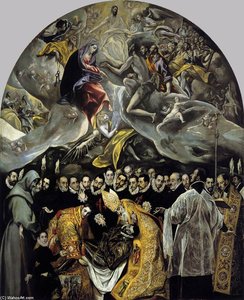
Doménikos Theotokópoulos, universally known as El Greco – “the Greek” – possessed a singular artistic vision that continues to captivate and challenge viewers centuries after his death. His 1600 painting, "The Resurrection," housed within the prestigious Museo del Prado in Madrid, is not merely a depiction of a biblical event; it’s an intensely emotional exploration of faith, sacrifice, and the promise of rebirth. Measuring a substantial 275 x 127 cm, the canvas explodes with dynamic movement, vibrant color, and a masterful manipulation of light and shadow – hallmarks of El Greco's distinctive Mannerist style.
The scene unfolds with arresting immediacy: Jesus Christ, bathed in an ethereal glow, is being lifted from his tomb by a host of angels. This isn’t the serene depiction often found in Renaissance art; instead, El Greco presents a chaotic, almost violent ascension. The figures surrounding Christ are not static observers but participants caught in the drama – soldiers scattering in terror, kneeling mourners, and outstretched hands reaching towards the resurrected figure. The elongated forms, characteristic of El Greco’s style, contribute to the painting's sense of heightened emotion and spiritual intensity. These figures aren’t rendered with anatomical precision; they are conduits for feeling, embodiments of awe and disbelief.
El Greco’s technical prowess is immediately apparent in his dramatic use of chiaroscuro – the stark contrast between light and dark. He employs this technique not just to create depth but also to draw the viewer's eye directly to Jesus Christ at the center of the composition. The intense luminosity surrounding him suggests divine presence, while the shadowed figures below convey a sense of earthly struggle and vulnerability. The color palette is equally arresting: deep blues dominate the background, punctuated by vibrant reds – the banner held aloft by Christ symbolizing victory over death. These bold colors are applied with thick impasto, adding texture and physicality to the painting’s surface.
Furthermore, El Greco's innovative use of perspective contributes significantly to the painting's dynamism. He deliberately distorts spatial relationships, creating a sense of disorientation that mirrors the emotional turmoil of the scene. The foreshortened figures, particularly the soldier sprawled at the base of the composition, are rendered with remarkable skill, adding to the overall feeling of movement and drama. The inclusion of two birds – one near the top left corner and another towards the bottom right – adds a subtle layer of symbolism, perhaps representing hope or messengers from heaven.
"The Resurrection" is deeply rooted in El Greco’s Greek heritage and his experiences in Italy. He was profoundly influenced by Byzantine iconography, particularly its emphasis on emotional expression and symbolic representation. However, he moved beyond mere imitation, synthesizing these influences with the artistic styles of the Renaissance and Mannerism prevalent during his lifetime. The painting reflects a shift towards subjective experience – a move away from purely objective representations of religious subjects toward conveying the artist’s own spiritual interpretation.
The presence of the cross and the book in the background further reinforces the painting's religious theme, grounding the miraculous event within a framework of established faith. The banner itself is laden with symbolism: it represents Christ’s triumph over death and his promise of eternal life. Considering El Greco’s own personal struggles with faith and his unconventional approach to art, “The Resurrection” can be interpreted as a deeply personal expression of hope and redemption – a testament to the enduring power of belief.
“The Resurrection” stands as a pivotal work in the history of art, showcasing El Greco’s unparalleled ability to evoke profound emotion through his distinctive style. It continues to inspire artists and art enthusiasts alike, offering a glimpse into the spiritual sensibilities of the 17th century. Reproductions of this masterpiece allow viewers to experience its dramatic intensity and symbolic richness firsthand, bringing El Greco's visionary world to life in any setting. Explore high-quality reproductions available at Most-Famous-Paintings for a truly immersive experience.

1541 - 1614 , Kreikka

Explore the dramatic evolution of Mannerism from High Renaissance perfection to El Greco's spiritual intensity. Discover the history, techniques, and enduring legacy of this transformative era through an expert art-history lens.


Pysy ajan tasalla uusimmista taideuutisista, eksklusiivisista tarjouksista ja sisustusideoista.
Kerro meille projektistasi, niin taideasiantuntijamme tarjoavat sinulle kolme henkilökohtaista taidesuositusta.
Anna meidän kuratoida 3 vaihtoehtoa juuri sinulle – Ilmaiseksi!


 Esikatselu
 Jaa
Jaa Jaa
Jaa
 Tarkemmat tiedot

 Lataa
Lataa
 Samanlaisia
 Röntgenkuva
 Diaesitys
 Näytä lisää







 Lasivaihtoehto on saatavilla vain alle 110 cm kokoisina teoksina