x

Käsinmaalattu öljyväri kankaalle haluamassasi koossa ja kehyksissä, taiteilijoidemme valmistamana tilauksesta. ( Osta printti Osta kuva)
Valitse valmiista mitoistamme sellaiset, jotka vastaavat teoksen alkuperäisiä mittasuhteita.

Voit syöttää omat mitat sopimaan tiettyyn kehykseen tai tilaan. Jos valitsemasi koko ei vastaa alkuperäisen kuvan mittasuhteita, rajaamme taideteoksen tai jatkamme maalausta käsin maalatuilla elementeillä. Digitaalinen esikatselu lähetetään hyväksyttäväksi ennen tuotannon aloittamista.
Huomioithan, että näytöllä oleva esikatselu ei vastaa todellista rajausta tai jatkamista. Vain digitaalinen mallikuva näyttää lopullisen sommittelun tarkasti.
Vaikka mittatilaustyöt ovat mahdollisia, suosittelemme valitsemaan mitan ennalta määritetystä listasta alkuperäisten mittasuhteiden säilyttämiseksi.
Maailmanlaajuinen toimitus () 3–4 viikossa tavallisen 5 viikon sijaan. (17 elokuu). Laadusta ei tingitä.


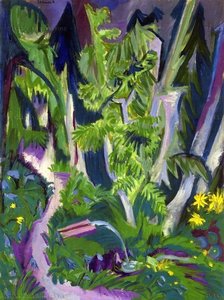
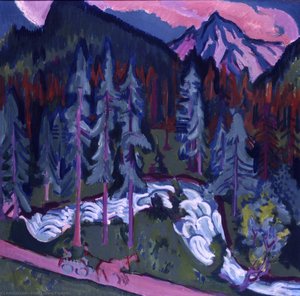
Bergwald
Replikaatin koko
Ernst Ludwig Kirchner’s “Bergwald,” or Mountain Forest, stands as a cornerstone of German Expressionism, encapsulating the movement's core tenets: subjective emotion rendered through distorted form and vibrant color. Painted in 1913, before the looming shadow of World War I cast its pall over Europe, this monumental canvas isn’t merely a depiction of a forest; it’s an embodiment of anxiety, isolation, and a primal confrontation with nature's overwhelming force.
Kirchner’s “Bergwald” emerged during a period of profound intellectual ferment in Germany. The Expressionist movement reacted against the prevailing academic conventions of its time, rejecting idealized beauty for raw emotion and psychological truth. Kirchner drew inspiration from artists like Albrecht Dürer, whose meticulous detail contrasted sharply with the expressive distortions characteristic of Expressionism. However, he also absorbed influences from Cubism and Futurism, experimenting with fragmented forms and dynamic spatial relationships.
The dense foliage and winding path symbolize not only the physical landscape but also the psychological journey undertaken by the viewer—a confrontation with the unknown and a surrender to the forces of nature. Kirchner’s deliberate use of unsettling colors and distorted perspective aims to evoke feelings of anxiety and disorientation, mirroring the anxieties prevalent in German society at the time. The painting compels us to contemplate our relationship with the natural world and to acknowledge its capacity for both awe and terror.
Kirchner executed “Bergwald” on canvas using oil paints—a medium favored by Expressionists for its ability to achieve rich color saturation and textural depth. His technique involved layering colors rapidly, prioritizing feeling over precise accuracy. This impulsive approach resulted in a surface marked by visible brushstrokes that capture the artist’s energetic engagement with his subject matter.

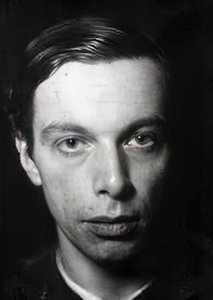
1880 - 1938 , Saksa

Journey through art history's most serene lake landscapes. From Romantic vistas to light-drenched Impressionist waters, discover the stories behind these iconic masterpieces and find museum-quality, hand-painted oil reproductions for your private collection.


Pysy ajan tasalla uusimmista taideuutisista, eksklusiivisista tarjouksista ja sisustusideoista.
Kerro meille projektistasi, niin taideasiantuntijamme tarjoavat sinulle kolme henkilökohtaista taidesuositusta.
Anna meidän kuratoida 3 vaihtoehtoa juuri sinulle – Ilmaiseksi!


 Esikatselu
 Jaa
Jaa Jaa
Jaa
 Tarkemmat tiedot

 Lataa
Lataa
 Samanlaisia
 Röntgenkuva
 Diaesitys
 Näytä lisää




































 Lasivaihtoehto on saatavilla vain alle 110 cm kokoisina teoksina