x

 Tilaa painos Osta kuva
 Jaa
Jaa
 Tarkemmat tiedot
 Lisää suosikkeihin
 Lataa
Lataa
 Samanlaisia
 Röntgenkuva
 Diaesitys
Käsinmaalattu öljyväri kankaalle haluamassasi koossa ja kehyksissä, taiteilijoidemme valmistamana tilauksesta.





























Valitse valmiista mitoistamme sellaiset, jotka vastaavat teoksen alkuperäisiä mittasuhteita.

Voit syöttää omat mitat sopimaan tiettyyn kehykseen tai tilaan. Jos valitsemasi koko ei vastaa alkuperäisen kuvan mittasuhteita, rajaamme taideteoksen tai jatkamme maalausta käsin maalatuilla elementeillä. Digitaalinen esikatselu lähetetään hyväksyttäväksi ennen tuotannon aloittamista.
Huomioithan, että näytöllä oleva esikatselu ei vastaa todellista rajausta tai jatkamista. Vain digitaalinen mallikuva näyttää lopullisen sommittelun tarkasti.
Vaikka mittatilaustyöt ovat mahdollisia, suosittelemme valitsemaan mitan ennalta määritetystä listasta alkuperäisten mittasuhteiden säilyttämiseksi.
Maailmanlaajuinen toimitus () 3–4 viikossa tavallisen 5 viikon sijaan. (18 heinäkuu). Laadusta ei tingitä.


Marzella
Replikaatin koko
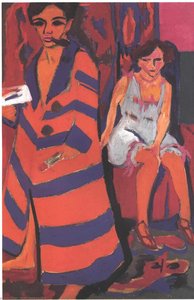
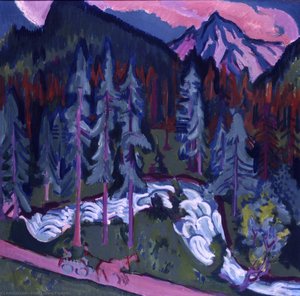
Ernst Ludwig Kirchner’s “Marzella,” painted in 1909, is more than just a portrait; it's a raw distillation of the anxieties and emotional currents swirling through early Expressionism. This oil on panel work immediately confronts the viewer with a figure – a woman rendered with unsettling intensity – set against a deliberately stark background. The composition itself feels charged, a visual representation of inner turmoil. Kirchner’s masterful use of color—dominant yellows punctuated by deep blues and greens—amplifies this sense of unease, reflecting not just the physical environment but also the psychological state of the subject.

Kirchner’s technique is central to the painting's impact. He employs bold, gestural brushstrokes, deliberately distorting forms to convey emotion rather than adhering to realistic representation. The woman’s face, particularly her eyes, are rendered with an almost feverish intensity, drawing the viewer into a world of subjective experience. Notice how the lines of her clothing and hair seem to vibrate with energy, contributing to the overall sense of agitation. This deliberate distortion aligns perfectly with the Expressionist movement's core philosophy: to express inner feelings through art, often at the expense of objective reality.
"Marzella" was created during a period of profound social and artistic change in Germany. The late 19th and early 20th centuries witnessed rapid industrialization, urbanization, and a growing sense of alienation. Kirchner and his fellow Expressionists responded to these changes by rejecting the prevailing academic styles and seeking new ways to represent the human condition. The painting reflects the anxieties surrounding modernity, the breakdown of traditional values, and the increasing isolation experienced by individuals in an increasingly complex world. It’s a key work demonstrating the shift away from Impressionism towards a more subjective and emotionally charged artistic vision.
Beyond its technical brilliance, “Marzella” is rich in symbolic meaning. The woman's bowed head and melancholic gaze suggest a deep sadness or perhaps a sense of resignation. The yellow background, often associated with anxiety and madness, further intensifies the painting’s emotional impact. Kirchner wasn’t simply depicting a portrait; he was attempting to capture a fleeting moment of profound psychological intensity. “Marzella” continues to resonate with viewers today because it taps into universal themes of loneliness, despair, and the struggle for identity – emotions that remain powerfully relevant in our own time.

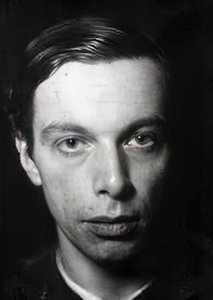
1880 - 1938 , Saksa

Tutustu 10 tunnetuimpaan muotokuvaan – Leonardosta Rembrandtiin! Taideteosten tarinat, tekniikat ja sielulliset ilmeet. Löydä inspiraatiota sisustukseen Most-Famous-Paintings.com:ista. Tutki kokoelma verkossa!
Tutustu Egon Schielen 25 vaikuttavinta teosta! Uppoudu ekspressionismin maailmaan, ihmiskuvauksen syvyyteen ja tunteelliseen taiteeseen. Löydä inspiraatiota sisustukseen ja korkealaatuiset taideprintit Most-Famous-Paintings.com-sivustolta. Tutki kokoelma verkossa!
Tutustu 10 kuuluisimpaan maalaukseen, joita hallitsee keltaokran sävy! Van Goghista Rembrandtiin – taiteen historiaa ja inspiraatiota sisustukseesi. Laadukkaat öljyvärimaalauksien kopiot Most-Famous-Paintings.comissa. Tutki kokoelma verkossa!

Tutustu Claude Monet'n 25 mestariteokseen! Uppoudu impressionismin maailmaan, vesililyistä Rouenin katedraaliin. Löydä taideprintit ja inspiraatiota sisustukseesi Most-Famous-Paintings.comista. Tutki kokoelma verkossa!
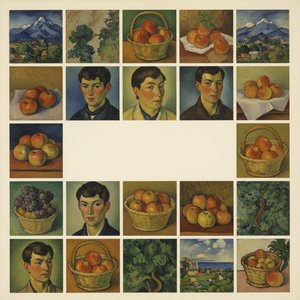
Tutustu Paul Cézannen 25 vaikuttavinta mestariteosta! Postimpressionismin huipputeoksia, still life -maalauksia ja ikonisia maisemia. Löydä taiteen tarinat ja inspiroi kotisi sisustusta Most-Famous-Paintings.com:ssa. Tutki kokoelma verkossa!


Pysy ajan tasalla uusimmista taideuutisista, eksklusiivisista tarjouksista ja sisustusideoista.
Kerro meille projektistasi, niin taideasiantuntijamme tarjoavat sinulle kolme henkilökohtaista taidesuositusta.
Anna meidän kuratoida 3 vaihtoehtoa juuri sinulle – Ilmaiseksi!


 Jaa
Jaa


 Näytä lisää







 Lasivaihtoehto on saatavilla vain alle 110 cm kokoisina teoksina