


x

 Acrylic On CanvasWallArtRenaissance Portraiture
 1562
1562 91.0 x 70.0 cm
 Louvren museo
Museolaatuisia giclée- tai kankaitaulun tulosteita nopealla tuotannolla ja joustavilla viimeistelyvaihtoehdoilla. ( Osta käsintehty maalaus Osta kuva)





























Valitse valmiista mitoistamme sellaiset, jotka vastaavat teoksen alkuperäisiä mittasuhteita.

Voit syöttää omat mitat sopiaksesi tiettyyn kehykseen tai tilaan. Jos valittu koko ei vastaa alkuperäisen kuvan mittasuhteita, rajaamme teosta tai laajennamme kuvaa peilatulla tai yhtenäisellä reunalla. Digitaalinen mallikuva lähetetään hyväksyttäväksi ennen tuotannon aloittamista.
Huomaathan, että näytöllä näkyvä esikatselu ei vastaa lopullista rajausta tai laajennusta. Vain mallikuva näyttää lopullisen sommittelun tarkasti.
Vaikka räätälöityjä kokoja on saatavilla, suosittelemme valitsemaan mitat valmiista listasta alkuperäisten mittasuhteiden säilyttämiseksi.
Toimitus maailmanlaajuisesti () kahdessa viikossa tavallisen 4–5 viikon sijaan. (18 elokuu)


Pierre Quthe
Replikaatin koko
François Clouet's “Pierre Quthe” stands as a testament to the meticulous artistry that characterized the High Renaissance in France. Executed in 1562, this oil on wood painting resides within the hallowed halls of the Musée du Louvre, offering visitors an unparalleled glimpse into the artistic sensibilities of its time.
More than just a depiction of an apothecary – Pierre Quthe himself – Clouet’s work transcends mere representation. It embodies the humanist ideals prevalent during Charles IX's reign, prioritizing intellectual pursuits and refined elegance within the royal court. Clouet skillfully blended influences from Bronzino and Holbein, adopting a style marked by remarkable realism and painstaking attention to detail—a hallmark of his oeuvre.
The painting’s impact begins with its masterful execution. Clouet employed chiaroscuro – the dramatic interplay of light and shadow – to sculpt Quthe's form, creating a palpable sense of depth and dimensionality that draws the viewer into the scene. Observe how the soft illumination highlights Quthe’s face, emphasizing his gaze and conveying an aura of solemn contemplation.
Furthermore, Clouet meticulously rendered textures—the folds of Quthe's doublet, the subtle sheen of his hair, and even the delicate lines etched onto his skin. These details speak volumes about Clouet’s dedication to capturing the essence of human anatomy and materiality. The muted earth tones dominate the palette, fostering a contemplative mood that aligns perfectly with the subject matter.
The inclusion of an open book bearing a bird illustration is not merely decorative; it carries symbolic weight. Birds often represented intellectuality, aspiration, and divine grace during the Renaissance—concepts central to Quthe’s profession and reflecting broader humanist concerns. The positioning of Quthe's hand resting on the book underscores his engagement with scholarly pursuits.
Considered alongside other portraits from Clouet’s prolific output, “Pierre Quthe” exemplifies the artist’s commitment to portraying individuals as complex human beings—intellectuals and men of dignity. It serves as a poignant reminder of the artistic achievements of the French Renaissance and its enduring fascination with capturing the inner life of its subjects.
Displayed prominently within the Musée du Louvre, one of the world’s foremost repositories of art history, “Pierre Quthe” continues to inspire admiration. Its dimensions – 91 x 70 cm – may seem modest compared to monumental canvases of later eras, yet they encapsulate a profound artistic accomplishment. This exquisite reproduction allows you to experience the beauty and sophistication of Clouet’s vision firsthand.
Discover more about François Clouet and his remarkable legacy at Most-Famous-Paintings.com or explore the broader history of French art on Wikipedia: Wikipedia.


1510 - 1572 , Ranska

Tutustu Pierre-Auguste Renoirin 25 lumoavinta mestariteosta! Uppoudu impressionismin maailmaan, valon ja värien leikkiin. Taidehistoriaa, tekniikoita ja inspiraatiota sisustukseen Most-Famous-Paintings.comissa. Tutki kokoelma verkossa!
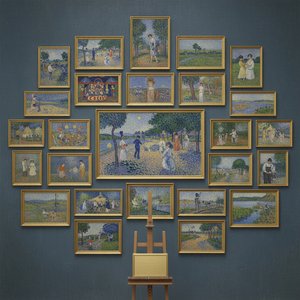
Tutustu Georges Seuratin 25 mestariteokseen! Uppoudu pointillismia, valomaalausta ja väriteoriaa hyödyntävään taidemaailmaan. Löydä A Sunday on La Grande Jatte ja muut ikonit Most-Famous-Paintings.comista – korkealaatuiset taidekopiot kotiisi.

Explore the captivating world of François Boucher, master of Rococo painting! Discover his iconic works, aristocratic patronage, and lasting influence on French art history. Learn more at Most-Famous-Paintings.

Explore the captivating works of François Flameng, a celebrated French painter bridging academic tradition & Impressionistic sensibilities. Discover his portraits, landscapes, and poignant WWI art with insights from Most-Famous-Paintings.

Explore the life & art of Charles Le Brun, master of French Baroque Classicism. Discover his royal commissions, influence on Versailles, and enduring legacy through detailed analysis & stunning artworks.


Pysy ajan tasalla uusimmista taideuutisista, eksklusiivisista tarjouksista ja sisustusideoista.
Kerro meille projektistasi, niin taideasiantuntijamme tarjoavat sinulle kolme henkilökohtaista taidesuositusta.
Anna meidän kuratoida 3 vaihtoehtoa juuri sinulle – Ilmaiseksi!


 Esikatselu
 Jaa
Jaa Jaa
Jaa
 Tarkemmat tiedot

 Lataa
Lataa
 Samanlaisia
 Röntgenkuva
 Diaesitys
 Näytä lisää







 Lasivaihtoehto on saatavilla vain alle 110 cm kokoisina teoksina


