x

 Oil On PanelEarly Netherlandish Renaissance
 1490
1490 88.0 x 56.0 cm
 Thyssen-Bornemisza Museo
Osta korkearesoluutioinen, parannettu digitaalikuva, joka on laadultaan huomattavasti parempi kuin verkkosivuston esikatselu.
Jokainen tiedosto valmistellaan huolellisesti omien asiantuntijoidemme toimesta käyttäen edistyneitä työkaluja ja ammattitaitoista manuaalista retusointia. Varmistamme, että jokaisessa kuvassa on poikkeuksellinen selkeys, tarkka värintoisto ja hienovaraiset yksityiskohdat.
Lopputiedosto toimitetaan sähköpostitse 72 tunnin kuluessa, ja se on optimoitu välittömään käyttöön ammattimaisissa, toimituksellisissa ja painoympäristöissä. Laatu on sama, johon huipputason suunnittelustudiot, kustantajat ja galleriat luottavat.
Lataa korkearesoluutioinen tiedosto henkilökohtaiseen näyttelyyn, tulostamiseen ja luoviin projekteihin. ( Osta printti Osta käsintehty maalaus)
Kun valitset Most-Famous-Paintings.com-palvelun, et saa vain kuvaa – saat ammattimaisesti parannetun digitaalisen taideteoksen, joka on luotu tarkkuudella ja jonka takaa tulee tyytyväisyystakuu. Tässä on kaikki, mitä tilauksesi sisältää, automaattisesti:

Korkearesoluutioinen digitaalinen kuvatiedostosi lähetetään sähköpostiisi 72 tunnin kuluessa tilauksesta – valmiina käytettäväksi välittömästi.

Taiteilijasi teos on optimoitu ammattimaisesti edistyneiden tekoälytyökalujen ja manuaalisen muokkauksen avulla, mikä takaa maksimaalisen yksityiskohtaisuuden, selkeyden ja väritarkkuuden.

Oletko vahingossa poistanut tai kadottanut tiedostosi? Ei hätää – lähetämme sen sinulle uudelleen milloin tahansa täysin maksutta.

Nauti taiteestasi välittömästi ilman tulleja, veroja tai toimitusmaksuja – digitaaliset lataukset ovat aina verovapaita.

Varmistamme, että digitaalinen kuvasi vastaa alkuperäisiä värejä mahdollisimman tarkasti käyttämällä ammattilaistason työkaluja ja värinhallintaa.

Jos et ole tyytyväinen digitaaliseen kuvaasi, muokkaamme sitä tai palautamme 100% takaisin 60 päivän kuluessa – ilman kysymyksiä.

Etkö ole tyytyväinen? Saat täyden hyvityksen 60 päivän kuluessa digitaalisen tiedostosi vastaanottamisesta – ilman kyselyitä.

Osta 3 kuvaa, säästä 10% - Osta 5, säästä 15% - Osta 10+, säästä 20%. Erinomainen valinta luoviin projekteihin, gallerioille ja toimistoille.
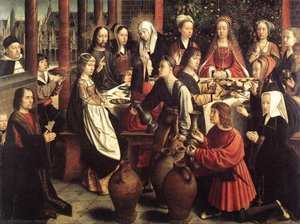
Gerard David's "Crucifixion," painted around 1490, isn’t merely a depiction of a pivotal biblical event; it’s an immersive experience—a profound meditation on sacrifice, sorrow, and the enduring promise of redemption. This oil-on-panel masterpiece, now housed within the Metropolitan Museum of Art in New York, stands as a testament to David's mastery of color, composition, and his ability to infuse religious iconography with a deeply human sensibility. Unlike many depictions of Christ’s suffering that emphasize dramatic violence, David presents a scene imbued with quiet contemplation, inviting viewers into a space of solemn reverence.
The painting immediately draws the eye to the central figure of Jesus, suspended on the cross. His posture is not one of agonizing struggle, but rather of serene acceptance—a subtle shift in perspective that speaks volumes about David’s artistic vision. Below him unfolds a carefully orchestrated tableau: Mary, her face etched with grief, kneels in mourning; John the Apostle stands as a witness, his expression a blend of sorrow and devotion; and a gathering of townspeople, rendered with remarkable realism, observe the event with varying degrees of shock and despair. The inclusion of Saint Jerome, identifiable by his beard and scroll, adds another layer of symbolic depth, suggesting the painting’s genesis from scripture—a visual interpretation of the Gospel narrative.
David's genius lies not only in his compositional skill but also in his masterful manipulation of color. He employs a restrained palette dominated by earthy tones – ochres, browns, and muted reds – creating an atmosphere of somber dignity. However, within this subdued range, he introduces subtle shifts in hue that draw the eye and heighten emotional impact. The stark white of Christ’s garments provides a striking contrast against the dark background, emphasizing his vulnerability and sacrifice. The use of gold leaf accents—particularly around the central figure—adds a touch of sacred radiance, elevating the scene to a realm of spiritual significance.
Technically, David demonstrates an exceptional understanding of oil paint. The application is meticulous, layering colors to achieve rich textures and subtle gradations of tone. The smooth surfaces belie the painstaking effort involved, while the carefully rendered fabric folds and rougher textures in the landscape—a rolling vista with a distant city—suggest a deep engagement with the natural world. Perspective is relatively shallow, characteristic of the period, prioritizing emotional impact over strict adherence to linear perspective rules. This choice contributes to the painting’s intimate and immersive quality.
“Crucifixion” reflects the artistic currents of the Early Netherlandish Renaissance—a movement characterized by a meticulous attention to detail, a profound interest in realism, and a sophisticated understanding of symbolism. David’s work builds upon the traditions of artists like Hans Memling, while simultaneously pushing boundaries through his innovative use of color and composition. The inclusion of Saint Jerome, for example, is a deliberate reference to the biblical text, inviting viewers to contemplate the theological implications of Christ's sacrifice.
Furthermore, the painting embodies the Renaissance humanist interest in portraying human emotion with honesty and depth. David doesn’t shy away from depicting the sorrow and grief experienced by those present at the crucifixion—a departure from earlier depictions that often focused solely on the spectacle of the event. This emphasis on human experience elevates “Crucifixion” beyond a mere historical illustration, transforming it into a powerful meditation on faith, suffering, and redemption. It’s a work that continues to resonate with viewers centuries after its creation, offering a timeless glimpse into the complexities of the human condition.


1450 - 1523 , Alankomaat


Pysy ajan tasalla uusimmista taideuutisista, eksklusiivisista tarjouksista ja sisustusideoista.
Kerro meille projektistasi, niin taideasiantuntijamme tarjoavat sinulle kolme henkilökohtaista taidesuositusta.
Anna meidän kuratoida 3 vaihtoehtoa juuri sinulle – Ilmaiseksi!


 Esikatselu
 Jaa
Jaa Jaa
Jaa
 Tarkemmat tiedot

 Lataa
Lataa
 Samanlaisia
 Röntgenkuva
 Diaesitys
 Näytä lisää