


x

Osta korkearesoluutioinen, parannettu digitaalikuva, joka on laadultaan huomattavasti parempi kuin verkkosivuston esikatselu.
Jokainen tiedosto valmistellaan huolellisesti omien asiantuntijoidemme toimesta käyttäen edistyneitä työkaluja ja ammattitaitoista manuaalista retusointia. Varmistamme, että jokaisessa kuvassa on poikkeuksellinen selkeys, tarkka värintoisto ja hienovaraiset yksityiskohdat.
Lopputiedosto toimitetaan sähköpostitse 72 tunnin kuluessa, ja se on optimoitu välittömään käyttöön ammattimaisissa, toimituksellisissa ja painoympäristöissä. Laatu on sama, johon huipputason suunnittelustudiot, kustantajat ja galleriat luottavat.
Lataa korkearesoluutioinen tiedosto henkilökohtaiseen näyttelyyn, tulostamiseen ja luoviin projekteihin. ( Osta printti Osta käsintehty maalaus)
Kun valitset Most-Famous-Paintings.com-palvelun, et saa vain kuvaa – saat ammattimaisesti parannetun digitaalisen taideteoksen, joka on luotu tarkkuudella ja jonka takaa tulee tyytyväisyystakuu. Tässä on kaikki, mitä tilauksesi sisältää, automaattisesti:

Korkearesoluutioinen digitaalinen kuvatiedostosi lähetetään sähköpostiisi 72 tunnin kuluessa tilauksesta – valmiina käytettäväksi välittömästi.

Taiteilijasi teos on optimoitu ammattimaisesti edistyneiden tekoälytyökalujen ja manuaalisen muokkauksen avulla, mikä takaa maksimaalisen yksityiskohtaisuuden, selkeyden ja väritarkkuuden.

Oletko vahingossa poistanut tai kadottanut tiedostosi? Ei hätää – lähetämme sen sinulle uudelleen milloin tahansa täysin maksutta.

Nauti taiteestasi välittömästi ilman tulleja, veroja tai toimitusmaksuja – digitaaliset lataukset ovat aina verovapaita.

Varmistamme, että digitaalinen kuvasi vastaa alkuperäisiä värejä mahdollisimman tarkasti käyttämällä ammattilaistason työkaluja ja värinhallintaa.

Jos et ole tyytyväinen digitaaliseen kuvaasi, muokkaamme sitä tai palautamme 100% takaisin 60 päivän kuluessa – ilman kysymyksiä.

Etkö ole tyytyväinen? Saat täyden hyvityksen 60 päivän kuluessa digitaalisen tiedostosi vastaanottamisesta – ilman kyselyitä.

Osta 3 kuvaa, säästä 10% - Osta 5, säästä 15% - Osta 10+, säästä 20%. Erinomainen valinta luoviin projekteihin, gallerioille ja toimistoille.
Giuseppe Arcimboldo (1527-1593) wasn't merely a painter; he was an architect of perception, a master illusionist who transformed the mundane into the magnificent. His "Nature Studies," particularly those featuring vibrant depictions of flora and fauna interwoven to create arresting portraits, stand as testaments to his singular vision and a profound engagement with the intellectual currents of the late Renaissance. These aren’t simple still lifes; they are carefully constructed allegories, brimming with symbolism that speaks volumes about the era's fascination with nature, humanism, and the delicate balance between the earthly and the divine.
Born in Milan, Arcimboldo initially honed his skills as a court painter for the Habsburg emperors in Vienna and Prague. However, it was during his time at Rudolf II’s court in Prague that he truly blossomed, developing his signature style – composite portraits built entirely from meticulously arranged fruits, vegetables, flowers, and even animal parts. This technique wasn't born of mere whimsy; it reflected a deep understanding of Renaissance philosophy, particularly the Neoplatonic belief that all things are interconnected through nature’s divine order. The emperor himself, a renowned collector of curiosities and an avid patron of the arts and sciences, provided the perfect environment for Arcimboldo's inventive spirit to flourish.
Arcimboldo’s technique was deceptively complex. He didn’t simply glue objects onto a canvas; he painstakingly sculpted them, layering textures and colors to create an illusion of depth and volume. The use of watercolor on parchment – a medium known for its delicate transparency and ability to capture subtle nuances of color – further enhanced the ethereal quality of his works. The careful selection of each element—the precise arrangement of leaves, the ripeness of the fruit, the angle of a flower—was deliberate, contributing to the overall composition’s harmony and conveying specific meanings. The portraits themselves are remarkably detailed, inviting close inspection and revealing an astonishing level of technical skill.
Consider, for example, “The Librarian” (1591), where Arcimboldo transforms a man's head into a towering stack of books, scrolls, and writing implements. Each element—the spectacles perched on the nose, the quill pen held aloft—is not merely decorative but symbolic. The abundance of books represents knowledge and learning, while the inclusion of various instruments (a lute, a trumpet) suggests musicality and intellectual pursuits. Even seemingly random objects, like the curtain forming the man’s beard, carry significance, referencing the organized structure of a library.
Arcimboldo's work is rich in symbolism, reflecting the core values of the Renaissance. The emphasis on nature—a central theme throughout his oeuvre—mirrors the humanist belief that humans are inherently connected to the natural world. The use of seasonal elements – fruits, vegetables, and flowers – speaks to the cyclical rhythms of life and death, mirroring the Neoplatonic concept of reincarnation. Furthermore, the composite portraits themselves can be interpreted as allegories for the emperor’s reign, embodying his wisdom, power, and connection to the natural order.
The choice of specific objects within each portrait often held particular significance. For instance, in “Vertumnus,” a painting depicting the Roman god of fertility and seasons, Arcimboldo employed an astonishing array of fruits and vegetables—pears, apples, grapes, pumpkins—to create a vibrant representation of Rudolf II’s power and dominion over nature. The inclusion of these elements wasn't arbitrary; it was carefully calculated to convey specific messages about the emperor’s authority and his connection to the natural world.
Giuseppe Arcimboldo’s “Nature Studies” remain captivating works of art, offering a unique glimpse into the intellectual and artistic landscape of the Renaissance. His innovative technique, combined with his profound understanding of symbolism and humanist ideals, cemented his place as one of the most original and influential artists of his time. Today, these remarkable portraits continue to inspire awe and wonder, reminding us of the power of art to transform our perception of reality and reveal the hidden beauty within the ordinary.

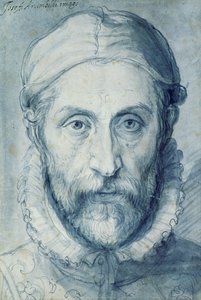
1527 - 1593 , Italia


Pysy ajan tasalla uusimmista taideuutisista, eksklusiivisista tarjouksista ja sisustusideoista.
Kerro meille projektistasi, niin taideasiantuntijamme tarjoavat sinulle kolme henkilökohtaista taidesuositusta.
Anna meidän kuratoida 3 vaihtoehtoa juuri sinulle – Ilmaiseksi!


 Esikatselu
 Jaa
Jaa Jaa
Jaa
 Tarkemmat tiedot

 Lataa
Lataa
 Samanlaisia
 Röntgenkuva
 Diaesitys

 Näytä lisää


