


x

Käsinmaalattu öljyväri kankaalle haluamassasi koossa ja kehyksissä, taiteilijoidemme valmistamana tilauksesta. ( Osta printti Osta kuva)





























Valitse valmiista mitoistamme sellaiset, jotka vastaavat teoksen alkuperäisiä mittasuhteita.

Voit syöttää omat mitat sopimaan tiettyyn kehykseen tai tilaan. Jos valitsemasi koko ei vastaa alkuperäisen kuvan mittasuhteita, rajaamme taideteoksen tai jatkamme maalausta käsin maalatuilla elementeillä. Digitaalinen esikatselu lähetetään hyväksyttäväksi ennen tuotannon aloittamista.
Huomioithan, että näytöllä oleva esikatselu ei vastaa todellista rajausta tai jatkamista. Vain digitaalinen mallikuva näyttää lopullisen sommittelun tarkasti.
Vaikka mittatilaustyöt ovat mahdollisia, suosittelemme valitsemaan mitan ennalta määritetystä listasta alkuperäisten mittasuhteiden säilyttämiseksi.
Maailmanlaajuinen toimitus () 3–4 viikossa tavallisen 5 viikon sijaan. (23 elokuu). Laadusta ei tingitä.


Tuli
Replikaatin koko
Giuseppe Arcimboldo’s “Fire,” painted in 1566, stands as an arresting testament to the artistic ingenuity of the Mannerist period. More than just a portrait, it's a meticulously crafted allegory—a visual meditation on elemental forces and arguably, on mortality itself—that continues to captivate viewers centuries later.
The artwork depicts the head of a noble figure rendered entirely from fruits, vegetables, flowers, and stylized avian elements. This instantly recognizable compositional strategy – Arcimboldo’s signature technique – exemplifies the Mannerist preoccupation with illusionism and intellectual complexity. Rather than striving for photographic realism, Arcimboldo sought to elevate his subject beyond mere representation, transforming it into a conduit for philosophical contemplation.
Technically masterful, “Fire” showcases Arcimboldo's unparalleled skill in layering textures and manipulating light. Oil paints were applied with painstaking detail, creating an astonishingly convincing simulacrum of organic matter—golden apples gleam against crimson cherries, velvety petals unfurl amidst prickly thorns. The artist’s brushstrokes are visible yet seamlessly integrated into the overall surface, conveying a palpable sense of materiality.
The dark brown/black background serves as a dramatic counterpoint to the luminous vibrancy of the central figure, emphasizing its isolation and highlighting the intricate textures of its constituent components. Arcimboldo's use of perspective is subtly flattened, prioritizing expressive detail over spatial accuracy—a stylistic choice characteristic of Mannerism’s rejection of Renaissance conventions.
Symbolically, “Fire” speaks to several profound themes. The golden armor adorning the figure represents nobility and divine authority, yet its decaying appearance hints at the inevitability of time and decay. The carefully arranged fruits and flowers symbolize fertility, abundance, and the cyclical nature of life—themes frequently explored in Renaissance art. Furthermore, the stylized bird motif – a recurring element in Arcimboldo’s oeuvre – embodies aspiration, freedom, and perhaps even spiritual transcendence.
“Fire” is not merely an aesthetically pleasing image; it's a complex intellectual puzzle designed to provoke thought and inspire wonder. Its enduring appeal lies in Arcimboldo’s ability to distill profound ideas into a deceptively simple visual form—a feat of artistic brilliance that secures his place as one of the most unforgettable figures in Renaissance art history.

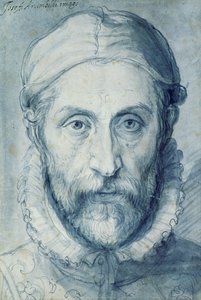
1527 - 1593 , Italia

Explore the profound history and technical brilliance of oil on panel painting. From Renaissance masters to modern techniques, discover why this rigid support offers unparalleled precision and permanence for fine art lovers and collectors.


Pysy ajan tasalla uusimmista taideuutisista, eksklusiivisista tarjouksista ja sisustusideoista.
Kerro meille projektistasi, niin taideasiantuntijamme tarjoavat sinulle kolme henkilökohtaista taidesuositusta.
Anna meidän kuratoida 3 vaihtoehtoa juuri sinulle – Ilmaiseksi!


 Esikatselu
 Jaa
Jaa Jaa
Jaa
 Tarkemmat tiedot

 Lataa
Lataa
 Samanlaisia
 Röntgenkuva
 Diaesitys


 Näytä lisää







 Lasivaihtoehto on saatavilla vain alle 110 cm kokoisina teoksina


