Myy taiteesi
Toivelista Ostoskori Cart
EsikatseluEsikatselu Esikatsele AR-tilassaEsikatsele AR-tilassa Osta printti Osta printtiOsta käsintehty maalaus Osta käsintehty maalaus JaaJaa
Tarkemmat tiedotTarkemmat tiedot Lisää suosikkeihin Lisää suosikkeihin LataaLataa SamanlaisiaSamanlaisia RöntgenkuvaRöntgenkuva DiaesitysDiaesitys

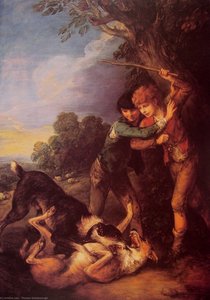
Winter

Explore the frescoes & landscapes of Giuseppe Bernardino Bison (1762-1844), an Italian painter known for his vedute, capriccios, and collaborations in Venice & Trieste.

Osta korkearesoluutioinen, parannettu digitaalikuva, joka on laadultaan huomattavasti parempi kuin verkkosivuston esikatselu.

Jokainen tiedosto valmistellaan huolellisesti omien asiantuntijoidemme toimesta käyttäen edistyneitä työkaluja ja ammattitaitoista manuaalista retusointia. Varmistamme, että jokaisessa kuvassa on poikkeuksellinen selkeys, tarkka värintoisto ja hienovaraiset yksityiskohdat.

Lopputiedosto toimitetaan sähköpostitse 72 tunnin kuluessa, ja se on optimoitu välittömään käyttöön ammattimaisissa, toimituksellisissa ja painoympäristöissä. Laatu on sama, johon huipputason suunnittelustudiot, kustantajat ja galleriat luottavat.

Digitaalinen kuva

Lataa korkearesoluutioinen tiedosto henkilökohtaiseen näyttelyyn, tulostamiseen ja luoviin projekteihin. (Osta printti Osta printtiOsta käsintehty maalaus Osta käsintehty maalaus)

Kokonaishinta

$ 24,90

Sisältyy jokaiseen digitaalisen kuvan tilaukseen

Asiantunteva digitaalinen toimitus, taattuun laatuun

Kun valitset Most-Famous-Paintings.com-palvelun, et saa vain kuvaa – saat ammattimaisesti parannetun digitaalisen taideteoksen, joka on luotu tarkkuudella ja jonka takaa tulee tyytyväisyystakuu. Tässä on kaikki, mitä tilauksesi sisältää, automaattisesti:

shipping_icon
Nopea digitaalinen toimitus

Korkearesoluutioinen digitaalinen kuvatiedostosi lähetetään sähköpostiisi 72 tunnin kuluessa tilauksesta – valmiina käytettäväksi välittömästi.

canvas_icon
Tekoälyllä parannettu digitaalinen tiedosto

Taiteilijasi teos on optimoitu ammattimaisesti edistyneiden tekoälytyökalujen ja manuaalisen muokkauksen avulla, mikä takaa maksimaalisen yksityiskohtaisuuden, selkeyden ja väritarkkuuden.

insurance_icon
Ilmainen elinikäinen uudelleenlähetyspalvelu

Oletko vahingossa poistanut tai kadottanut tiedostosi? Ei hätää – lähetämme sen sinulle uudelleen milloin tahansa täysin maksutta.

tax_icon
Ei tuontimaksuja – koskaan

Nauti taiteestasi välittömästi ilman tulleja, veroja tai toimitusmaksuja – digitaaliset lataukset ovat aina verovapaita.

color_icon
Värintoiston tarkkuustakuu

Varmistamme, että digitaalinen kuvasi vastaa alkuperäisiä värejä mahdollisimman tarkasti käyttämällä ammattilaistason työkaluja ja värinhallintaa.

return_icon
60 päivän tyytyväisyystakuu

Jos et ole tyytyväinen digitaaliseen kuvaasi, muokkaamme sitä tai palautamme 100% takaisin 60 päivän kuluessa – ilman kysymyksiä.

guarantee_icon
100% Rahat takaisin -takuu

Etkö ole tyytyväinen? Saat täyden hyvityksen 60 päivän kuluessa digitaalisen tiedostosi vastaanottamisesta – ilman kyselyitä.

discount_icon
Suurtilaaja-alennukset

Osta 3 kuvaa, säästä 10% - Osta 5, säästä 15% - Osta 10+, säästä 20%. Erinomainen valinta luoviin projekteihin, gallerioille ja toimistoille.


Taiteilijan elämäkerta

Johann Georg Bergmüller: A Master of Augsburg’s Frescoes

Johann Georg Bergmüller, born in Türkheim in 1762 and passing away in Augsburg in 1762, stands as a pivotal figure in the history of German Baroque art, particularly renowned for his contributions to fresco painting. His life was inextricably linked to the artistic landscape of Augsburg, where he not only honed his craft but also shaped the training of generations of artists. Bergmüller’s journey began humbly, apprenticed to the court painter Johann Andreas Wolff in Munich, a formative experience that exposed him to the burgeoning artistic trends of the era. However, it was his relocation to Augsburg and subsequent appointment as director of the Imperial City Academy that cemented his legacy.

Early Life and Artistic Foundations

Bergmüller’s early education wasn't confined to formal training; his father, a skilled cabinet maker, instilled in him an appreciation for craftsmanship and meticulous detail – qualities that would later translate into his remarkable frescoes. His time in the Netherlands broadened his artistic horizons, exposing him to diverse styles and techniques prevalent throughout Europe. This exposure proved invaluable as he returned to Augsburg, bringing with him a refined understanding of composition and color theory. He quickly established himself as a respected artist, earning commissions for numerous churches and civic buildings within the city. His dedication extended beyond mere execution; Bergmüller was deeply invested in establishing a rigorous artistic education, culminating in the publication of *Anthropometria* in 1723 – a seminal text on the principles of proportion and perspective that served as a cornerstone for aspiring artists.

Notable Works and Artistic Style

Bergmüller’s frescoes are characterized by their dynamic narratives, masterful use of light and shadow, and remarkably detailed depictions of figures and architectural elements. He frequently drew inspiration from religious themes, imbuing his works with a profound sense of spirituality. His work in Ochsenhausen Abbey, for instance, showcases a dramatic scene depicting the martyrdom of Saint Cyprinus, while the frescoes at Steingaden Abbey offer a serene portrayal of the Virgin Mary holding the infant Jesus. The meticulous attention to detail evident in these pieces—from the folds of drapery to the expressions on the faces of the figures—demonstrates Bergmüller’s exceptional technical skill and his commitment to realism. His style, influenced by both Italian Baroque masters and contemporary trends, combined a sense of theatricality with a deep understanding of human anatomy and perspective.

Influence and Legacy

Bergmüller's impact on the artistic community of Augsburg was profound. He not only served as a mentor to numerous talented students – including Johann Georg Wolcker, Gottfried Bernhard Göz, and Johann Evangelist Holzer – but also established a systematic approach to fresco painting that emphasized both technical proficiency and artistic expression. His pupils went on to execute significant works throughout Bavaria and beyond, ensuring the continuation of his stylistic legacy. Furthermore, Bergmüller’s dedication to documenting and disseminating knowledge about art through publications like *Anthropometria* contributed significantly to the development of artistic theory in Germany. He helped establish a framework for understanding proportion, perspective, and composition that would influence generations of artists.

A Forgotten Master

Despite his considerable contributions to the world of art, Bergmüller’s work has often been overshadowed by more celebrated contemporaries. Many of his frescoes have suffered damage or deterioration over time, diminishing their visual impact. However, ongoing research and conservation efforts are gradually revealing the full extent of his artistic achievements, solidifying his position as a significant figure in the history of Baroque art and a vital voice within Augsburg’s vibrant artistic community. His legacy continues to inspire artists and scholars alike, reminding us of the enduring power of fresco painting and the importance of preserving the artistic heritage of Germany.
giuseppe bernardino bison

giuseppe bernardino bison

1762 - 1844 , Italy

Lyhyesti esiteltynä

  • Artistic Movement Or Style: Baroque Fresco Painter
  • Artists Or Movements Influenced By This Artist:
    • Johann Georg Wolcker
    • Gottfried Bernhard Göz
  • Artists Who Influenced This Artist: ['Johann Andreas Wolff']
  • Date Of Birth: 1762
  • Date Of Death: 1762
  • Full Name: Johann Georg Bergmüller
  • Nationality: German
  • Notable Artworks:
    • Ochsenhausen Abbey
    • Steingaden Abbey
  • Place Of Birth: Türkheim, Bavaria