x

Käsinmaalattu öljyväri kankaalle haluamassasi koossa ja kehyksissä, taiteilijoidemme valmistamana tilauksesta. ( Osta printti Osta kuva)





























Valitse valmiista mitoistamme sellaiset, jotka vastaavat teoksen alkuperäisiä mittasuhteita.

Voit syöttää omat mitat sopimaan tiettyyn kehykseen tai tilaan. Jos valitsemasi koko ei vastaa alkuperäisen kuvan mittasuhteita, rajaamme taideteoksen tai jatkamme maalausta käsin maalatuilla elementeillä. Digitaalinen esikatselu lähetetään hyväksyttäväksi ennen tuotannon aloittamista.
Huomioithan, että näytöllä oleva esikatselu ei vastaa todellista rajausta tai jatkamista. Vain digitaalinen mallikuva näyttää lopullisen sommittelun tarkasti.
Vaikka mittatilaustyöt ovat mahdollisia, suosittelemme valitsemaan mitan ennalta määritetystä listasta alkuperäisten mittasuhteiden säilyttämiseksi.
Maailmanlaajuinen toimitus () 3–4 viikossa tavallisen 5 viikon sijaan. (21 elokuu). Laadusta ei tingitä.


Neitsyt
Replikaatin koko
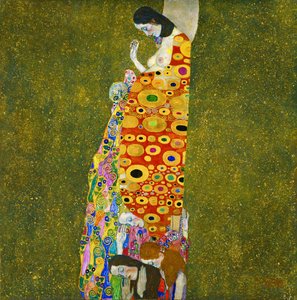
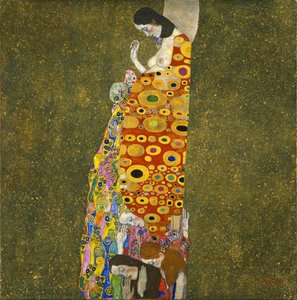
Gustav Klimt's “The Maiden,” painted in 1913, stands as a cornerstone of his celebrated ‘Golden Phase,’ a period characterized by breathtaking ornamentation and profound symbolic resonance. More than just a portrait, it’s an invitation into Klimt’s artistic universe—a realm where sensual beauty intertwines with contemplative introspection. This artwork captivated audiences upon its debut and continues to inspire admiration for its masterful execution and evocative imagery.
The painting depicts a three-quarter view of a young woman, positioned with deliberate elegance against an abstracted landscape backdrop. Klimt’s careful consideration of posture conveys a sense of quiet repose, encouraging viewers to engage in a moment of personal reflection. The artist skillfully employs swirling lines and organic shapes—a hallmark of Art Nouveau—to define the figure, subtly blurring the boundaries between subject and environment. This compositional choice emphasizes intimacy and psychological depth.
"The Maiden" exemplifies Klimt’s singular artistic vision. He seamlessly blends oil paint with shimmering gold leaf—a technique directly influenced by his father's expertise as a goldsmith and the grandeur of Byzantine mosaics encountered during his travels to Ravenna, Italy. This lavish use of gold transcends mere decoration; it elevates the painting to an almost iconographic status, imbuing the figure with ethereal luminescence and spiritual significance. Flattened perspective—a stylistic hallmark—reduces dimensionality, focusing attention on the intricate patterns adorning both the woman’s form and the surrounding landscape.
Klimt was a pivotal figure in the Vienna Secession movement, a collective of artists who vehemently opposed the conservative artistic conventions prevalent in Austro-Hungarian society. Rejecting academic formalism, they championed expressive freedom and sought to forge new aesthetic paths—a bold stance that cemented Klimt’s legacy as an innovator.
The floral motifs interwoven throughout the painting – lilies, roses, and poppies – carry rich symbolic weight, representing purity, love, fertility, and remembrance respectively. These elements contribute to a broader narrative exploring themes of femininity, vulnerability, and the cyclical nature of life. Klimt’s masterful manipulation of texture—particularly the impasto technique—creates a palpable surface quality that invites tactile engagement. Ultimately, “The Maiden” resonates with viewers through its profound beauty and enduring contemplation on human experience.

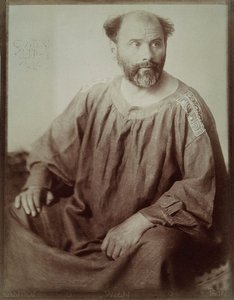
1862 - 1918 , Itävalta

Explore the profound impact of the Vienna Secession movement. Discover how visionaries like Gustav Klimt revolutionized modern art through symbolism, gold leaf, and the concept of Gesamtkunstwerk in this expert-led historical guide.


Pysy ajan tasalla uusimmista taideuutisista, eksklusiivisista tarjouksista ja sisustusideoista.
Kerro meille projektistasi, niin taideasiantuntijamme tarjoavat sinulle kolme henkilökohtaista taidesuositusta.
Anna meidän kuratoida 3 vaihtoehtoa juuri sinulle – Ilmaiseksi!


 Esikatselu
 Jaa
Jaa Jaa
Jaa
 Tarkemmat tiedot

 Lataa
Lataa
 Samanlaisia
 Röntgenkuva
 Diaesitys

 Näytä lisää







 Lasivaihtoehto on saatavilla vain alle 110 cm kokoisina teoksina