x

Museolaatuisia giclée- tai kankaitaulun tulosteita nopealla tuotannolla ja joustavilla viimeistelyvaihtoehdoilla. ( Osta käsintehty maalaus Osta kuva)





























Valitse valmiista mitoistamme sellaiset, jotka vastaavat teoksen alkuperäisiä mittasuhteita.

Voit syöttää omat mitat sopiaksesi tiettyyn kehykseen tai tilaan. Jos valittu koko ei vastaa alkuperäisen kuvan mittasuhteita, rajaamme teosta tai laajennamme kuvaa peilatulla tai yhtenäisellä reunalla. Digitaalinen mallikuva lähetetään hyväksyttäväksi ennen tuotannon aloittamista.
Huomaathan, että näytöllä näkyvä esikatselu ei vastaa lopullista rajausta tai laajennusta. Vain mallikuva näyttää lopullisen sommittelun tarkasti.
Vaikka räätälöityjä kokoja on saatavilla, suosittelemme valitsemaan mitat valmiista listasta alkuperäisten mittasuhteiden säilyttämiseksi.
Toimitus maailmanlaajuisesti () kahdessa viikossa tavallisen 4–5 viikon sijaan. (18 elokuu)


The Pear Tree
Replikaatin koko
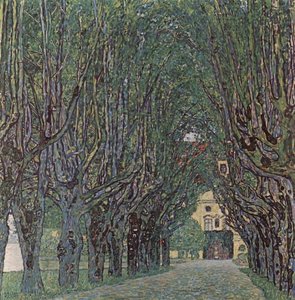
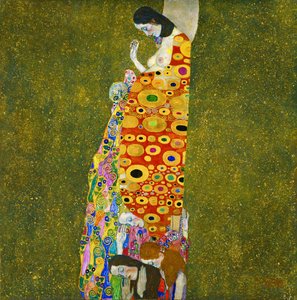
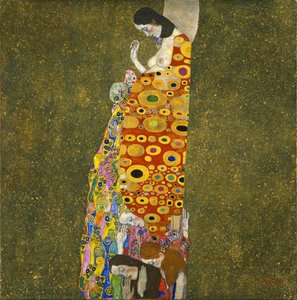
Gustav Klimt’s “The Pear Tree,” completed in 1903, stands as one of the artist's most celebrated landscapes—and arguably his most poignant exploration of themes surrounding femininity, spirituality, and the cyclical nature of life. More than just a depiction of fruit trees laden with blossoms and ripening pears, it embodies Klimt’s signature blend of Art Nouveau elegance and Byzantine mosaic influence, capturing a moment suspended between decay and renewal.
Originally commissioned by Viktor Zuckerkandl, an industrialist and avid art collector, Klimt envisioned this painting as part of a larger series intended for Zuckerkandl's opulent villa. The artwork’s immediate impact was considerable; critics initially condemned it for perceived vulgarity and lack of artistic merit—a reaction that underscored the anxieties surrounding Klimt’s bold stylistic choices and his willingness to challenge conventional aesthetic standards.
Klimt's artistic journey began in Vienna, where he honed his skills at the Kunstgewerbeschule alongside fellow artists like Franz von Matsch. Influenced by Symbolist painters such as Edvard Munch and James Abbott McNeill Whistler, Klimt swiftly developed a distinctive visual language characterized by flattened perspectives, stylized figures, and opulent ornamentation—elements that would define his oeuvre for decades to come.
The painting’s genesis coincided with the burgeoning Secession movement in Vienna, spearheaded by Klimt himself. Rejecting the conservative academic tradition, Secession artists sought inspiration from Byzantine mosaics and Japanese prints, aiming to forge a new artistic idiom rooted in decorative art and psychological introspection. “The Pear Tree” exemplifies this ethos perfectly—a deliberate departure from realism toward an expressive rendering of natural beauty imbued with symbolic significance.
Klimt’s masterful technique is immediately apparent upon viewing the canvas. Employing oil paint on canvas, he achieved remarkable textural depth through meticulous layering and glazing – a process that allowed him to capture the subtle nuances of light and shadow within the foliage and blossoms. The artist's use of color—primarily muted greens and blues contrasted with warm yellows and oranges—creates an atmosphere of serene contemplation.
However, Klimt’s most striking innovation lies in his stylistic approach. He eschewed traditional perspective, flattening the landscape into a shallow plane reminiscent of Byzantine mosaics—a technique that prioritized visual impact over accurate representation. The pear tree itself is rendered with meticulous detail, each leaf and blossom painstakingly delineated to convey an impression of vibrant life.
"The Pear Tree" transcends mere botanical depiction; it operates on multiple symbolic levels. The pear tree represents fertility, abundance, and the promise of regeneration—themes central to Klimt’s broader artistic concerns regarding mortality and rebirth. The blossoms symbolize purity and innocence, while the ripening pears signify maturity and fulfillment.
Furthermore, Klimt's deliberate use of color contributes significantly to the painting’s emotional impact. The dominant hues evoke feelings of tranquility and contemplation—yet beneath the surface lies an unspoken tension reflecting the artist’s preoccupation with psychological complexity. “The Pear Tree” invites viewers to contemplate not only the beauty of nature but also the profound mysteries of human existence.
“The Pear Tree” cemented Klimt's reputation as a visionary artist and profoundly influenced subsequent generations of painters who sought to explore themes of sexuality, spirituality, and decorative art. Its stylistic boldness—particularly its flattened perspective and mosaic-inspired technique—served as inspiration for artists across Europe.
Today, “The Pear Tree” remains a beloved masterpiece within the canon of modern art—a testament to Klimt’s unparalleled ability to transform visual observation into emotionally resonant symbolism. It continues to captivate audiences with its ethereal beauty and enduring contemplation on life's cyclical journey.

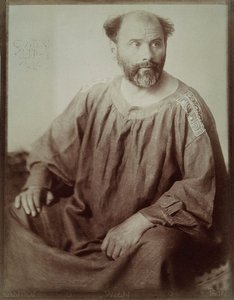
1862 - 1918 , Itävalta

Explore the profound impact of the Vienna Secession movement. Discover how visionaries like Gustav Klimt revolutionized modern art through symbolism, gold leaf, and the concept of Gesamtkunstwerk in this expert-led historical guide.


Pysy ajan tasalla uusimmista taideuutisista, eksklusiivisista tarjouksista ja sisustusideoista.
Kerro meille projektistasi, niin taideasiantuntijamme tarjoavat sinulle kolme henkilökohtaista taidesuositusta.
Anna meidän kuratoida 3 vaihtoehtoa juuri sinulle – Ilmaiseksi!


 Esikatselu
 Jaa
Jaa Jaa
Jaa
 Tarkemmat tiedot

 Lataa
Lataa
 Samanlaisia
 Röntgenkuva
 Diaesitys

 Näytä lisää







 Lasivaihtoehto on saatavilla vain alle 110 cm kokoisina teoksina