


x

Käsinmaalattu öljyväri kankaalle haluamassasi koossa ja kehyksissä, taiteilijoidemme valmistamana tilauksesta. ( Osta printti Osta kuva)





























Valitse valmiista mitoistamme sellaiset, jotka vastaavat teoksen alkuperäisiä mittasuhteita.

Voit syöttää omat mitat sopimaan tiettyyn kehykseen tai tilaan. Jos valitsemasi koko ei vastaa alkuperäisen kuvan mittasuhteita, rajaamme taideteoksen tai jatkamme maalausta käsin maalatuilla elementeillä. Digitaalinen esikatselu lähetetään hyväksyttäväksi ennen tuotannon aloittamista.
Huomioithan, että näytöllä oleva esikatselu ei vastaa todellista rajausta tai jatkamista. Vain digitaalinen mallikuva näyttää lopullisen sommittelun tarkasti.
Vaikka mittatilaustyöt ovat mahdollisia, suosittelemme valitsemaan mitan ennalta määritetystä listasta alkuperäisten mittasuhteiden säilyttämiseksi.
Maailmanlaajuinen toimitus () 3–4 viikossa tavallisen 5 viikon sijaan. (22 elokuu). Laadusta ei tingitä.


Centaures
Replikaatin koko
Gustave Moreau's "Centaures" is not merely a depiction of mythological figures; it’s an immersion into the richly layered symbolism and emotional intensity that defined the Symbolist movement. Painted during a pivotal moment in artistic history – between the waning influence of Realism and the burgeoning explorations of Modernism – this work exemplifies Moreau’s profound engagement with ancient myths, religious iconography, and the darker recesses of the human psyche. Born in Paris in 1826, Moreau rejected the objective observation favored by his contemporaries, instead choosing to construct worlds populated by dreamlike figures and potent allegories. “Centaures” embodies this approach perfectly, offering a glimpse into a realm where primal instincts and spiritual anxieties collide.
Moreau’s use of symbolism is central to understanding “Centaures.” The centaurs themselves represent a potent blend of human intellect and animal instinct – a recurring theme in Moreau's work, reflecting his fascination with the duality of human nature. The wilderness setting—trees stretching into the distance, suggesting an untamed and potentially dangerous world—further amplifies this symbolism. The inclusion of a soaring bird adds another layer of meaning, often interpreted as representing aspiration, freedom, or even divine intervention. It’s crucial to remember that Moreau wasn't simply illustrating a myth; he was using it as a vehicle for exploring profound philosophical and psychological questions.
“Centaures” was created during a period of intense intellectual ferment in Paris, fueled by the rise of occultism, spiritualism, and a renewed interest in ancient mythology. Moreau's work aligns with the broader Symbolist movement, which sought to express subjective emotions and ideas through symbolic imagery rather than objective representation. He was deeply influenced by artists like William Blake and Arnold Böcklin, both of whom explored similar themes of myth, dream, and the subconscious. Moreau’s artistic vision was profoundly personal; he aimed to create works that would resonate with viewers on a deep emotional level, inviting them to contemplate the mysteries of existence.
Moreau's "Centaures" possesses a haunting beauty and undeniable power. It’s a painting that demands attention, prompting reflection on themes of primal instinct, spiritual struggle, and the enduring allure of myth. This artwork represents a significant contribution to Symbolist art and offers a rare glimpse into the creative mind of one of France's most enigmatic artists. A hand-painted reproduction captures not only the visual splendor of Moreau’s masterpiece but also the emotional depth and intellectual complexity that make it so compelling.

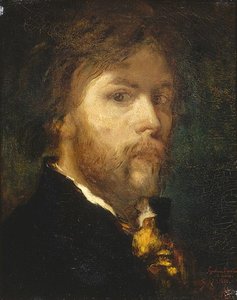
1826 - 1898 , Ranska

Explore the evocative world of Symbolist painting. Discover how masters like Gustave Moreau rejected realism to capture dreams, myths, and the subconscious through fine art history and expert analysis.

Explore the profound history and technical mastery of woodcut relief printing. From ancient origins to German Expressionism, discover how artists use the subtractive process to create iconic works. A definitive guide for art students, collectors, and historians.

Discover the technical mastery behind Most-Famous-Paintings.com's premium Giclée canvas prints. Our guide for elite collectors explores archival pigment inks, museum-grade substrates, and the science of high-fidelity reproduction to ensure lasting beauty and historical accuracy.


Pysy ajan tasalla uusimmista taideuutisista, eksklusiivisista tarjouksista ja sisustusideoista.
Kerro meille projektistasi, niin taideasiantuntijamme tarjoavat sinulle kolme henkilökohtaista taidesuositusta.
Anna meidän kuratoida 3 vaihtoehtoa juuri sinulle – Ilmaiseksi!


 Esikatselu
 Jaa
Jaa Jaa
Jaa
 Tarkemmat tiedot

 Lataa
Lataa
 Samanlaisia
 Röntgenkuva
 Diaesitys

 Näytä lisää







 Lasivaihtoehto on saatavilla vain alle 110 cm kokoisina teoksina


