


x

Käsinmaalattu öljyväri kankaalle haluamassasi koossa ja kehyksissä, taiteilijoidemme valmistamana tilauksesta. ( Osta printti Osta kuva)





























Valitse valmiista mitoistamme sellaiset, jotka vastaavat teoksen alkuperäisiä mittasuhteita.

Voit syöttää omat mitat sopimaan tiettyyn kehykseen tai tilaan. Jos valitsemasi koko ei vastaa alkuperäisen kuvan mittasuhteita, rajaamme taideteoksen tai jatkamme maalausta käsin maalatuilla elementeillä. Digitaalinen esikatselu lähetetään hyväksyttäväksi ennen tuotannon aloittamista.
Huomioithan, että näytöllä oleva esikatselu ei vastaa todellista rajausta tai jatkamista. Vain digitaalinen mallikuva näyttää lopullisen sommittelun tarkasti.
Vaikka mittatilaustyöt ovat mahdollisia, suosittelemme valitsemaan mitan ennalta määritetystä listasta alkuperäisten mittasuhteiden säilyttämiseksi.
Maailmanlaajuinen toimitus () 3–4 viikossa tavallisen 5 viikon sijaan. (23 elokuu). Laadusta ei tingitä.


Pieta
Replikaatin koko
Gustave Moreau's Pieta isn’t merely a depiction of the biblical scene; it’s an immersion into a world of profound sorrow and haunting beauty. Painted during his most intensely Symbolist period, between 1884 and 1886, this work reveals Moreau’s fascination with mythology, religious iconography, and the exploration of human emotion through layered symbolism. Unlike the straightforward narratives favored by earlier generations of artists, Moreau sought to evoke a feeling, a spiritual experience, rather than simply illustrating a story. The painting's power resides in its deliberate ambiguity and the unsettling beauty of its composition – a testament to his unique artistic vision.
Moreau’s approach aligns perfectly with the tenets of Symbolism, an artistic movement that rejected naturalistic representation in favor of subjective experience and evocative imagery. He was deeply influenced by Pre-Raphaelites and medieval art, but he infused these influences with his own intensely personal symbolism. The figures aren't presented as idealized saints; they are rendered with a palpable sense of vulnerability and suffering. Note the deliberate lack of clear definition – forms bleed into one another, creating an atmosphere of dreamlike unease. This technique, combined with Moreau’s masterful use of color—deep blues, purples, and ochres—contributes to the painting's overall mood of melancholy and contemplation.
The subject matter itself – the Pieta – is a cornerstone of Western art, representing the Virgin Mary mourning over the body of Christ after his crucifixion. However, Moreau’s interpretation deviates significantly from traditional depictions. He doesn't offer a straightforward portrayal of grief; instead, he presents a scene pregnant with mystery and suggestion. The presence of additional figures—a man on the left and another in the background—adds to this sense of unease and invites speculation about their roles and significance. These secondary characters could represent witnesses to the event, or perhaps even symbolic representations of sin, judgment, or divine sorrow.
The woman beside Christ, identified as Mary Magdalene, is not simply a grieving mother but a figure imbued with complex symbolism. Her posture suggests both compassion and a certain detachment, reflecting the spiritual journey often associated with her in Symbolist art. The scene unfolds within a richly detailed architectural setting—a vaguely classical space that feels simultaneously ancient and otherworldly – further enhancing the painting’s dreamlike quality.
Moreau's Pieta is profoundly moving precisely because it resists easy interpretation. It doesn’t offer answers but instead compels viewers to confront fundamental questions about suffering, faith, and mortality. The painting’s emotional impact stems from its ability to tap into the deepest recesses of human experience. It’s a work that rewards repeated viewing, revealing new layers of meaning with each encounter. This reproduction captures Moreau's artistic vision in exquisite detail, allowing you to bring this powerful image into your own space and contemplate its timeless themes.
Note: This hand-painted reproduction faithfully recreates the original’s intricate details and evocative atmosphere, offering a stunning addition to any art collection or interior design scheme.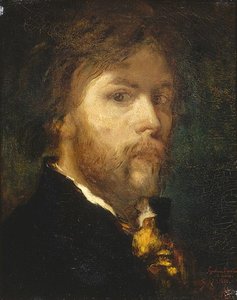
1826 - 1898 , Ranska

Explore the evocative world of Symbolist painting. Discover how masters like Gustave Moreau rejected realism to capture dreams, myths, and the subconscious through fine art history and expert analysis.

Explore the profound history and technical mastery of woodcut relief printing. From ancient origins to German Expressionism, discover how artists use the subtractive process to create iconic works. A definitive guide for art students, collectors, and historians.


Pysy ajan tasalla uusimmista taideuutisista, eksklusiivisista tarjouksista ja sisustusideoista.
Kerro meille projektistasi, niin taideasiantuntijamme tarjoavat sinulle kolme henkilökohtaista taidesuositusta.
Anna meidän kuratoida 3 vaihtoehtoa juuri sinulle – Ilmaiseksi!


 Esikatselu
 Jaa
Jaa Jaa
Jaa
 Tarkemmat tiedot

 Lataa
Lataa
 Samanlaisia
 Röntgenkuva
 Diaesitys

 Näytä lisää







 Lasivaihtoehto on saatavilla vain alle 110 cm kokoisina teoksina


