x

Museolaatuisia giclée- tai kankaitaulun tulosteita nopealla tuotannolla ja joustavilla viimeistelyvaihtoehdoilla. ( Vaihda käsinmaalattuun versioon Vaihda kuvaksi)





























Valitse valmiista mitoistamme sellaiset, jotka vastaavat teoksen alkuperäisiä mittasuhteita.

Voit syöttää omat mitat sopiaksesi tiettyyn kehykseen tai tilaan. Jos valittu koko ei vastaa alkuperäisen kuvan mittasuhteita, rajaamme teosta tai laajennamme kuvaa peilatulla tai yhtenäisellä reunalla. Digitaalinen mallikuva lähetetään hyväksyttäväksi ennen tuotannon aloittamista.
Huomaathan, että näytöllä näkyvä esikatselu ei vastaa lopullista rajausta tai laajennusta. Vain mallikuva näyttää lopullisen sommittelun tarkasti.
Vaikka räätälöityjä kokoja on saatavilla, suosittelemme valitsemaan mitat valmiista listasta alkuperäisten mittasuhteiden säilyttämiseksi.
Toimitus maailmanlaajuisesti () kahdessa viikossa tavallisen 4–5 viikon sijaan. (11 elokuu)


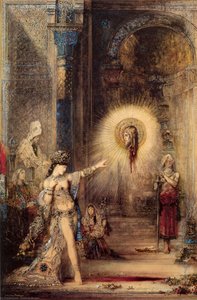
Sultane
Replikaatin koko
Gustave Moreau's *Sultane*, painted during his most intensely Symbolist period, is not merely a depiction of a man in red; it’s an immersion into a world of veiled secrets and potent symbolism. Created between 1882 and 1885, this enigmatic work embodies the core tenets of the Symbolist movement – a deliberate rejection of objective representation in favor of exploring subjective emotions, spiritual ideas, and fantastical narratives. Moreau, deeply influenced by mythology, religion, and the burgeoning field of psychology, sought to evoke an atmosphere of dreamlike intensity rather than offering a straightforward visual record.
Moreau's *Sultane* is deeply rooted in the Symbolist fascination with ancient myths and religious iconography. Sultan Ibrahim Effendi himself was a renowned collector of oriental artifacts, including a famed collection of Persian carpets, which heavily influenced Moreau’s artistic vision. The scene evokes elements of the Ottoman court, but more importantly, it functions as a symbolic representation of power, knowledge, and perhaps even madness. The raised hands of the Sultan suggest a moment of revelation or contemplation – a descent into the subconscious. The kneeling attendant could represent submission, obedience, or perhaps a conduit for divine inspiration.
Beyond its immediate visual impact, *Sultane* is laden with symbolic meaning. The Sultan’s raised hands can be interpreted as a gesture of prayer, contemplation, or even madness – a common motif in Symbolist art. The kneeling attendant represents subservience and loyalty, but also potentially the vulnerability of those who seek knowledge. The overall composition suggests a fragmented narrative, inviting viewers to actively participate in constructing their own interpretations. Moreau deliberately avoided providing clear answers, preferring instead to stimulate the viewer’s imagination and emotional response.

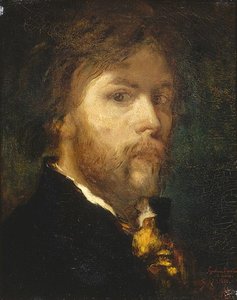
1826 - 1898 , Ranska

Explore the evocative world of Symbolist painting. Discover how masters like Gustave Moreau rejected realism to capture dreams, myths, and the subconscious through fine art history and expert analysis.

Explore the profound history and technical mastery of woodcut relief printing. From ancient origins to German Expressionism, discover how artists use the subtractive process to create iconic works. A definitive guide for art students, collectors, and historians.

Discover the technical mastery behind Most-Famous-Paintings.com's premium Giclée canvas prints. Our guide for elite collectors explores archival pigment inks, museum-grade substrates, and the science of high-fidelity reproduction to ensure lasting beauty and historical accuracy.


Pysy ajan tasalla uusimmista taideuutisista, eksklusiivisista tarjouksista ja sisustusideoista.
Kerro meille projektistasi, niin taideasiantuntijamme tarjoavat sinulle kolme henkilökohtaista taidesuositusta.
Anna meidän kuratoida 3 vaihtoehtoa juuri sinulle – Ilmaiseksi!


 Esikatselu
 Jaa
Jaa Jaa
Jaa
 Tarkemmat tiedot

 Lataa
Lataa
 Samanlaisia
 Röntgenkuva
 Diaesitys

 Näytä lisää







 Lasivaihtoehto on saatavilla vain alle 110 cm kokoisina teoksina