x

Museolaatuisia giclée- tai kankaitaulun tulosteita nopealla tuotannolla ja joustavilla viimeistelyvaihtoehdoilla. ( Osta käsintehty maalaus Osta kuva)





























Valitse valmiista mitoistamme sellaiset, jotka vastaavat teoksen alkuperäisiä mittasuhteita.

Voit syöttää omat mitat sopiaksesi tiettyyn kehykseen tai tilaan. Jos valittu koko ei vastaa alkuperäisen kuvan mittasuhteita, rajaamme teosta tai laajennamme kuvaa peilatulla tai yhtenäisellä reunalla. Digitaalinen mallikuva lähetetään hyväksyttäväksi ennen tuotannon aloittamista.
Huomaathan, että näytöllä näkyvä esikatselu ei vastaa lopullista rajausta tai laajennusta. Vain mallikuva näyttää lopullisen sommittelun tarkasti.
Vaikka räätälöityjä kokoja on saatavilla, suosittelemme valitsemaan mitat valmiista listasta alkuperäisten mittasuhteiden säilyttämiseksi.
Toimitus maailmanlaajuisesti () kahdessa viikossa tavallisen 4–5 viikon sijaan. (18 elokuu)


Venise
Replikaatin koko
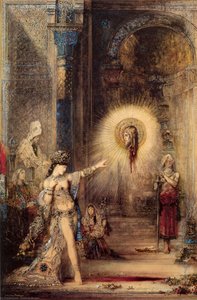
Gustave Moreau’s “Venise,” completed around 1885, stands as a cornerstone of Symbolist painting—a movement that prioritized emotion and psychological depth over literal representation. Unlike the Impressionists who sought to capture fleeting moments of visual experience, Moreau aimed to distill the essence of feeling into an image imbued with spiritual significance. This artwork isn’t merely a depiction of Venice; it's a portal into Moreau’s inner world—a realm populated by fantastical figures and bathed in ethereal luminescence.
Moreau’s artistic vision drew heavily from classical mythology, specifically the legend of Venus and Adonis. The central nude figure embodies Venus herself, reclining gracefully on a rocky outcrop—a motif reminiscent of ancient sculptures depicting goddesses in repose. Her expansive wings, feathered with meticulous detail, elevate her above earthly concerns, symbolizing divine grace and transcendence. This deliberate allusion to pagan iconography underscores Moreau’s desire to explore themes of beauty, desire, and mortality through the lens of timeless myths.
Moreau achieved his dreamlike effect primarily through oil paint applied with loose brushstrokes—a technique characteristic of Symbolist painters. These strokes create a palpable textural surface that captures the subtle nuances of light and shadow, contributing to the artwork’s overall atmosphere. The artist skillfully utilizes lines to define the contours of the figure and wings, emphasizing their organic forms while simultaneously conveying movement and dynamism. Furthermore, Moreau employs muted earthy tones—pale ochres, browns, and greys—to evoke a sense of melancholy and solitude, mirroring the contemplative mood he wished to convey.
In the hazy background, Moreau introduces a suggestion of Venice’s cityscape—a distant panorama rendered in soft pastel hues. This inclusion isn't merely decorative; it serves as a counterpoint to the figure’s serene isolation, hinting at the passage of time and the inevitable decay inherent in earthly existence. The flattened perspective reinforces the dreamlike quality of the scene, immersing the viewer in Moreau’s imaginative vision.
"Venise" exemplifies Moreau's profound engagement with Symbolist principles—a rejection of realism in favor of subjective experience and spiritual contemplation. Its enduring appeal lies in its ability to evoke a powerful emotional response, prompting viewers to ponder questions of beauty, mortality, and the relationship between humanity and divinity. Gustave Moreau’s masterpiece continues to inspire artists and collectors alike, cementing his place as one of the most influential figures in late nineteenth-century art.

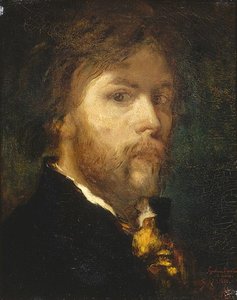
1826 - 1898 , Ranska

Explore the evocative world of Symbolist painting. Discover how masters like Gustave Moreau rejected realism to capture dreams, myths, and the subconscious through fine art history and expert analysis.

Explore the profound beauty of Greek mythology through art history. From Baroque masterpieces to Renaissance classics, discover how gods and heroes have inspired the world's greatest painters in this expert guide for collectors and history lovers.


Pysy ajan tasalla uusimmista taideuutisista, eksklusiivisista tarjouksista ja sisustusideoista.
Kerro meille projektistasi, niin taideasiantuntijamme tarjoavat sinulle kolme henkilökohtaista taidesuositusta.
Anna meidän kuratoida 3 vaihtoehtoa juuri sinulle – Ilmaiseksi!


 Esikatselu
 Jaa
Jaa Jaa
Jaa
 Tarkemmat tiedot

 Lataa
Lataa
 Samanlaisia
 Röntgenkuva
 Diaesitys
 Näytä lisää







 Lasivaihtoehto on saatavilla vain alle 110 cm kokoisina teoksina