x

Museolaatuisia giclée- tai kankaitaulun tulosteita nopealla tuotannolla ja joustavilla viimeistelyvaihtoehdoilla. ( Osta käsintehty maalaus Osta kuva)





























Valitse valmiista mitoistamme sellaiset, jotka vastaavat teoksen alkuperäisiä mittasuhteita.

Voit syöttää omat mitat sopiaksesi tiettyyn kehykseen tai tilaan. Jos valittu koko ei vastaa alkuperäisen kuvan mittasuhteita, rajaamme teosta tai laajennamme kuvaa peilatulla tai yhtenäisellä reunalla. Digitaalinen mallikuva lähetetään hyväksyttäväksi ennen tuotannon aloittamista.
Huomaathan, että näytöllä näkyvä esikatselu ei vastaa lopullista rajausta tai laajennusta. Vain mallikuva näyttää lopullisen sommittelun tarkasti.
Vaikka räätälöityjä kokoja on saatavilla, suosittelemme valitsemaan mitat valmiista listasta alkuperäisten mittasuhteiden säilyttämiseksi.
Toimitus maailmanlaajuisesti () kahdessa viikossa tavallisen 4–5 viikon sijaan. (18 elokuu)


untitled (5500)
Replikaatin koko
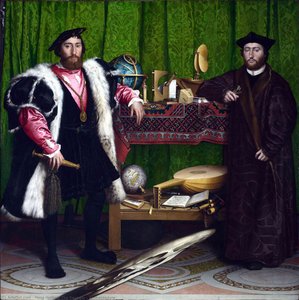
Hans Holbein the Younger's "Untitled (5500)" is not merely a group portrait; it’s a meticulously crafted tableau of power, faith, and subtle symbolism—a frozen moment within the opulent world of 16th-century England. This remarkable painting, depicting Jesus surrounded by his disciples at a shared meal, transcends simple representation to offer a profound glimpse into the political and religious currents of its time. The sheer scale of the composition – an unknown size but undoubtedly commanding – immediately draws the viewer in, inviting them to become part of this intimate scene. Holbein’s mastery is evident not just in his astonishingly realistic depiction of each figure, but also in the way he uses light and shadow to create a palpable sense of depth and atmosphere, reminiscent of the masterful works of Jan van Eyck.
The painting unfolds around a richly appointed dining table, laden with bowls, knives, and various instruments of learning – a deliberate arrangement that speaks volumes about the intellectual climate of the Tudor court. Three bowls are strategically placed, hinting at shared sustenance and fellowship, while the knife suggests both practicality and perhaps, a subtle undercurrent of tension. The figures themselves are rendered with an almost unsettling level of detail; each face is etched with individual character, reflecting not just likeness but also personality and status. The seated disciples, ranging from the youthful to the seasoned, embody a diverse group united by their devotion to Jesus. Notably, Jesus himself is positioned at the head of the table, asserting his central role within this community.
Holbein’s artistic genius lies in his ability to capture not just outward appearances but also the inner lives of his subjects. This painting exemplifies his signature style – a blend of meticulous observation and psychological insight. He was renowned for his portraits, particularly those commissioned by Henry VIII and Anne Boleyn, and this work demonstrates his skill at conveying character through subtle gestures, expressions, and clothing choices. The use of oil paints allowed him to achieve an unprecedented level of detail and luminosity, capturing the textures of fabrics, the sheen of metal, and the nuances of skin tones with remarkable accuracy.
The technical brilliance is further enhanced by Holbein’s innovative approach to perspective and composition. He masterfully employs atmospheric perspective – creating a sense of distance through variations in color and detail – to draw the viewer's eye into the scene. The arrangement of figures around the table, with Jesus at its center, establishes a clear hierarchy while simultaneously fostering a feeling of intimacy and shared experience. It’s a carefully orchestrated visual narrative that invites contemplation.
Beyond its aesthetic qualities, “Untitled (5500)” is rich in symbolic meaning. The inclusion of scientific instruments – globes, sundials, and quadrants – reflects the burgeoning interest in astronomy and navigation during the Renaissance, a period marked by both exploration and intellectual curiosity. The reference to Rome through the Cosmati pavement pattern, likely incorporated as a gift for Anne Boleyn, subtly alludes to the political tensions between England and the Papal States. The lute with its broken string is a potent symbol of discord, perhaps representing the religious divisions that were fracturing Europe at the time.
The presence of Martin Luther’s hymnbook, open on facing pages referencing Law and Grace, adds another layer of complexity to the painting's interpretation. It suggests a dialogue between faith and reason, tradition and reform – themes that were central to the Protestant Reformation. Even the seemingly simple act of sharing a meal becomes imbued with significance, representing not just sustenance but also fellowship, community, and spiritual nourishment.
Most-Famous-Paintings offers meticulously crafted hand-painted reproductions of Hans Holbein’s “Untitled (5500),” allowing you to bring this extraordinary artwork into your home or office. Our skilled artisans replicate Holbein's intricate details, vibrant colors, and atmospheric depth with unparalleled precision. Whether you are an art collector, a design enthusiast, or simply someone who appreciates the beauty of Renaissance art, our reproduction provides a stunning and authentic representation of this iconic masterpiece. Explore the available sizes and canvas options to find the perfect way to experience the power and allure of “Untitled (5500).”

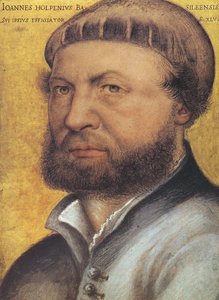
1497 - 1543 , Saksa

Discover how strategic art selection elevates dining atmospheres and drives restaurant profitability. Learn expert techniques for curating fine art, from bespoke oil reproductions to large-scale murals, to create a luxury sensory experience that builds brand loyalty.


Pysy ajan tasalla uusimmista taideuutisista, eksklusiivisista tarjouksista ja sisustusideoista.
Kerro meille projektistasi, niin taideasiantuntijamme tarjoavat sinulle kolme henkilökohtaista taidesuositusta.
Anna meidän kuratoida 3 vaihtoehtoa juuri sinulle – Ilmaiseksi!


 Esikatselu
 Jaa
Jaa Jaa
Jaa
 Tarkemmat tiedot

 Lataa
Lataa
 Samanlaisia
 Röntgenkuva
 Diaesitys
 Näytä lisää







 Lasivaihtoehto on saatavilla vain alle 110 cm kokoisina teoksina


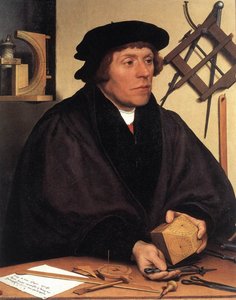


![Jean de Dintevillen ja Georges de Selven kaksoismuotokuva (tunnetaan myös nimellä Suurlähetystöt) [yksityiskohta]](/media/artworks/images/thumbnails/23/11/2311efb8202f4a2ea763c4d4a9227550.jpg)