


x

Käsinmaalattu öljyväri kankaalle haluamassasi koossa ja kehyksissä, taiteilijoidemme valmistamana tilauksesta. ( Osta printti Osta kuva)
Valitse valmiista mitoistamme sellaiset, jotka vastaavat teoksen alkuperäisiä mittasuhteita.

Voit syöttää omat mitat sopimaan tiettyyn kehykseen tai tilaan. Jos valitsemasi koko ei vastaa alkuperäisen kuvan mittasuhteita, rajaamme taideteoksen tai jatkamme maalausta käsin maalatuilla elementeillä. Digitaalinen esikatselu lähetetään hyväksyttäväksi ennen tuotannon aloittamista.
Huomioithan, että näytöllä oleva esikatselu ei vastaa todellista rajausta tai jatkamista. Vain digitaalinen mallikuva näyttää lopullisen sommittelun tarkasti.
Vaikka mittatilaustyöt ovat mahdollisia, suosittelemme valitsemaan mitan ennalta määritetystä listasta alkuperäisten mittasuhteiden säilyttämiseksi.
Maailmanlaajuinen toimitus () 3–4 viikossa tavallisen 5 viikon sijaan. (23 elokuu). Laadusta ei tingitä.


Blue Pitcher
Replikaatin koko
Henri Matisse's “Blue Pitcher,” painted in 1901, stands as a cornerstone of Fauvist art—a movement that irrevocably altered the course of twentieth-century painting. More than just a depiction of domestic objects, it embodies Matisse’s revolutionary approach to color and composition, reflecting his profound belief that art should express emotion rather than merely imitate reality.
The canvas presents a deceptively simple arrangement: a blue vase dominates the center stage, perched atop a pitcher. Surrounding it are two bottles positioned on either side, creating an equilibrium that’s subtly reinforced by the inclusion of a spoon resting upon the tabletop. Matisse eschewed traditional perspective and shading techniques, prioritizing instead the vibrancy of color to convey feeling. This deliberate rejection of academic conventions was precisely what defined Fauvism—a bold assertion that color could be its own reward.
Matisse’s masterful brushwork is instantly recognizable. Thick, impasto strokes – meaning paint applied thickly – imbue the canvas with palpable energy and texture. Each stroke isn't merely a mark; it’s an instrument of expression, channeling Matisse’s inner vision onto the surface. The artist meticulously layered hues of blue—ranging from cerulean to indigo—creating depth and luminosity that transcends mere visual representation.
"Blue Pitcher" emerged during a period of artistic ferment, challenging the prevailing aesthetic sensibilities of Impressionism. While Impressionists sought to capture fleeting moments of light and atmosphere, Matisse deliberately prioritized color as its primary vehicle for conveying emotion. This decision aligns with broader intellectual currents of the time—a burgeoning interest in psychology and symbolism—reflecting Matisse’s conviction that art should resonate beyond superficial appearances.
The choice of blue itself is significant. Often associated with tranquility, spirituality, and introspection, it serves as a counterpoint to the darker tones surrounding it. The vase and pitcher—familiar objects imbued with everyday life—become symbols of domestic harmony and contemplation. Ultimately, “Blue Pitcher” invites viewers into Matisse’s emotional landscape, prompting reflection on beauty, color, and the expressive power of art. It remains an enduring testament to Matisse's genius and a pivotal work in the history of Fauvist painting.


1869 - 1954 , Ranska
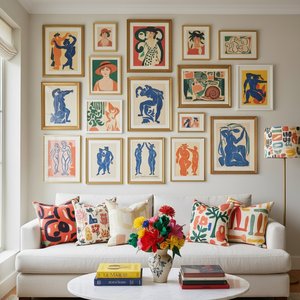
Tutustu Henri Matissen 25 mestariteokseen – värien ja muodon lumoava maailma! Lue taiteen historiaa, fauvismin syntyä ja löydä inspiraatiota sisustukseesi. Korkealaatuiset taideprintit Most-Famous-Paintings.com:ssa.

Tutustu fauvismin 10 mestariteokseen! Uppoudu Henri Matissen, André Derainin ja muiden taiteilijoiden värien vallankumoukseen. Löydä inspiraatiota kotiisi – korkealaatuiset taideprintit Most-Famous-Paintings.comista. Tutustu kokoelmaan verkossa!
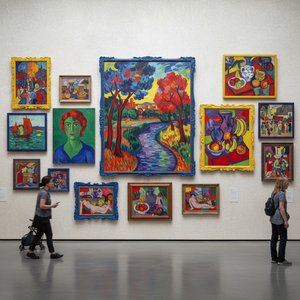
Tutustu fauvismin 10 ikonista mestariteosta! Uppoudu Henri Matissen, André Derainin ja muiden taiteilijoiden värikylläiseen maailmaan. Löydä inspiraatiota kotiisi Most-Famous-Paintings.com:sta – laadukkaat taidekopiokset ja sisustusideat odottavat!

Uppoudu 10 tunnetuimman taideteoksen maailmaan, joita hallitsee liukuväri! Tutustu impressionismin ja postimpressionismin mestareihin sekä sinisen sävyjen merkitykseen. Löydä inspiraatiota kotiisi Most-Famous-Paintings.com:ista – laadukkaat taidevedokset ja kuratoidut sisustusratkaisut odottavat! Tutustu kokoelm

Tutustu 10 rohkeaan mestariteokseen, jotka huokuvat voimaa ja tunnetta! Picasso, Munch, Van Gogh & muut taiteen ikonit. Löydä inspiraatiota kotiisi Most-Famous-Paintings.com:ista – korkealaatuiset taideprintit ja julisteet.


Pysy ajan tasalla uusimmista taideuutisista, eksklusiivisista tarjouksista ja sisustusideoista.
Kerro meille projektistasi, niin taideasiantuntijamme tarjoavat sinulle kolme henkilökohtaista taidesuositusta.
Anna meidän kuratoida 3 vaihtoehtoa juuri sinulle – Ilmaiseksi!


 Esikatselu
 Jaa
Jaa Jaa
Jaa
 Tarkemmat tiedot

 Lataa
Lataa
 Samanlaisia
 Röntgenkuva
 Diaesitys

 Näytä lisää




































 Lasivaihtoehto on saatavilla vain alle 110 cm kokoisina teoksina


