x

Museolaatuisia giclée- tai kankaitaulun tulosteita nopealla tuotannolla ja joustavilla viimeistelyvaihtoehdoilla. ( Osta käsintehty maalaus Osta kuva)





























Valitse valmiista mitoistamme sellaiset, jotka vastaavat teoksen alkuperäisiä mittasuhteita.

Voit syöttää omat mitat sopiaksesi tiettyyn kehykseen tai tilaan. Jos valittu koko ei vastaa alkuperäisen kuvan mittasuhteita, rajaamme teosta tai laajennamme kuvaa peilatulla tai yhtenäisellä reunalla. Digitaalinen mallikuva lähetetään hyväksyttäväksi ennen tuotannon aloittamista.
Huomaathan, että näytöllä näkyvä esikatselu ei vastaa lopullista rajausta tai laajennusta. Vain mallikuva näyttää lopullisen sommittelun tarkasti.
Vaikka räätälöityjä kokoja on saatavilla, suosittelemme valitsemaan mitat valmiista listasta alkuperäisten mittasuhteiden säilyttämiseksi.
Toimitus maailmanlaajuisesti () kahdessa viikossa tavallisen 4–5 viikon sijaan. (20 elokuu)


untitled (1805)
Replikaatin koko
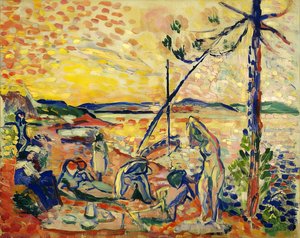
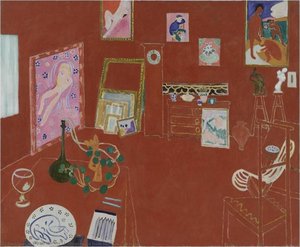
Henri Matisse’s “Untitled (1805)” isn’t merely a painting; it’s a snapshot of artistic process itself. Executed in oil on canvas, this artwork embodies the essence of Fauvist style—a bold rejection of academic conventions favoring expressive color and simplified forms over meticulous realism. Created sometime around 1905, during Matisse's formative years as a painter, it reflects his fascination with capturing not just what is seen but how it feels.
The scene depicted is undeniably cluttered—a studio interior brimming with canvases stacked against the wall, furniture draped in fabrics of muted browns and greens, scattered papers hinting at ongoing creative endeavors. Yet, this apparent disorder isn’t accidental. Matisse skillfully employs skewed perspective to create depth while simultaneously emphasizing the visual dynamism of the space. Dominating the composition is a single lamp casting dramatic shadows that illuminate specific areas, highlighting textures and reinforcing the mood of contemplative concentration.
Matisse’s technique speaks volumes about his artistic philosophy. Loose brushstrokes—characteristic of Fauvism—are layered upon each other to build up color intensity and texture. The palette is dominated by earthy tones – taupe, ochre, olive green – punctuated by splashes of yellow and white. These colors aren't blended smoothly; instead, they are juxtaposed boldly, conveying emotion rather than striving for photographic accuracy. This deliberate disregard for tonal gradation underscores Matisse’s belief that color possesses inherent expressive power.
Beyond its formal qualities, “Untitled (1805)” resonates with deeper symbolic meanings. The accumulation of objects—paintings, tools, and personal items—suggests an artist wrestling with ideas and experimenting with visual language. The dim lighting contributes to a sense of melancholy and introspection, mirroring the artist’s own emotional state. Matisse's masterful rendering captures not just the physical environment but also the psychological landscape of creativity – a space where contemplation and experimentation converge.
“Untitled (1805)” stands as a testament to Matisse’s pioneering role in shaping modern art. It exemplifies his unwavering commitment to color, simplification, and emotional expression—principles that would become hallmarks of Fauvist painting and profoundly influence subsequent generations of artists. Its enduring appeal lies in its ability to transport viewers back to a pivotal moment in artistic history, inviting them to contemplate the beauty and power of visual perception.


1869 - 1954 , Ranska

Elevate luxury hospitality with bespoke abstract oil paintings. Most-Famous-Paintings offers interior designers custom sizes, tailored colors, and hand-painted mastery to transform hotel interiors into timeless destinations. Experience unparalleled quality and professional art consultation.

Explore the vibrant revolution of Fauvism. Discover how masters like Henri Matisse liberated color from reality to express pure emotion. An expert guide into the 'Wild Beasts' of modern art history for collectors and enthusiasts.

Explore the profound history and technical brilliance of oil on panel painting. From Renaissance masters to modern techniques, discover why this rigid support offers unparalleled precision and permanence for fine art lovers and collectors.


Pysy ajan tasalla uusimmista taideuutisista, eksklusiivisista tarjouksista ja sisustusideoista.
Kerro meille projektistasi, niin taideasiantuntijamme tarjoavat sinulle kolme henkilökohtaista taidesuositusta.
Anna meidän kuratoida 3 vaihtoehtoa juuri sinulle – Ilmaiseksi!


 Esikatselu
 Jaa
Jaa Jaa
Jaa
 Tarkemmat tiedot

 Lataa
Lataa
 Samanlaisia
 Röntgenkuva
 Diaesitys
 Näytä lisää







 Lasivaihtoehto on saatavilla vain alle 110 cm kokoisina teoksina